



























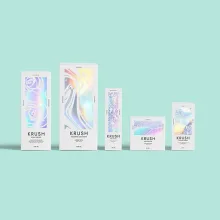
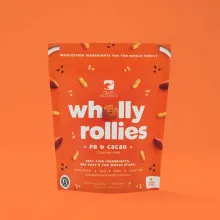
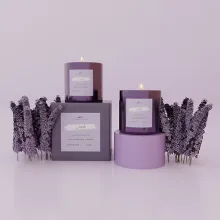









































What counts as a rigid packaging example?
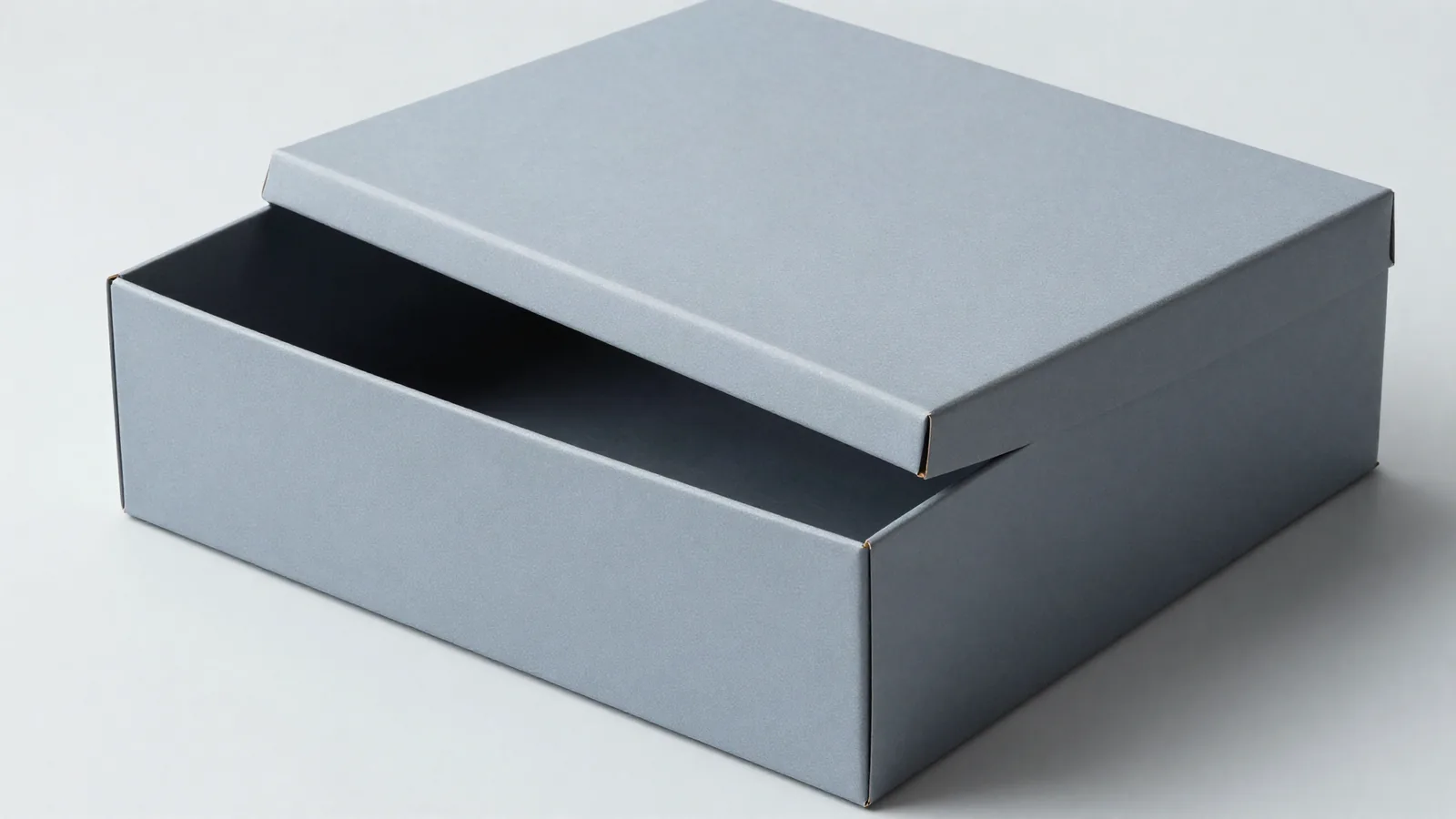
A rigid packaging example is a pre-formed box with a fixed shape and a defined opening. The example becomes useful when it shows where the product sits, how the lid or tray moves, and what the exterior surface does. A closed box photo alone cannot tell you the interior fit or packing motion.
Rigid box examples fall into styles. A lid can lift from a base, a tray can slide from a sleeve, and an insert can hold a product in one position. Compare the opening and product fit before you compare artwork.
Which rigid packaging types should I compare?
Compare rigid packaging types by opening format and product-holding method. The table pairs each style with a CPL product example so the reference stays tied to a real format.
| Rigid box style | What the structure does | CPL product example |
|---|---|---|
| Printed rigid box | Box body carries the printed wrap and fixed walls | Rigid printed boxes |
| Sleeve and tray | Outer sleeve guides a tray that holds the product | Sleeve and tray rigid boxes |
| Shoe box | Lid and base hold a shoe packout | Shoe box packaging |
| Towel packaging | Structured box surrounds a folded soft good | Towel packaging |
| Wine box | Box is planned around a bottle-shaped packout | Wine box packaging |
What makes luxury rigid packaging different?
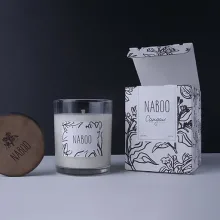
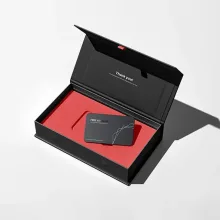
Luxury rigid packaging is a style term for a structured box where material feel, print treatment, and opening sequence receive close attention. A wrapped chipboard box with a clean lid fit, tray, magnetic closure, foil, or spot UV can read as luxury, but no single feature decides it.
The physical tradeoff is simple: each added part changes assembly and storage. A sleeve must clear the tray; a lid must meet the base without binding; an insert must hold the product without letting it rattle. Put those checks in the brief.
Which products can use rigid box styles?
Rigid packaging can suit products that need controlled presentation at opening. CPL's catalog includes shoe box packaging, towel packaging, and wine box packaging, along with printed rigid and sleeve and tray formats. A shoe, towel, bottle, or wax item can have different footprint and support needs, so use the product as the starting dimension, not the image of another box.
For each example, note where the first hand reaches, what the product touches, and whether the box closes again. Those details separate a useful style reference from a photograph that only shows the outside.
What does a rigid box change in fulfillment?
A rigid box arrives formed; a folding package typically arrives flat and forms during packing. This changes empty storage, packing motion, and the way the product is revealed. A rigid box makes sense when the fixed structure earns its space in the fulfillment workflow.
Empty box volume matters before the first pallet is packed. Check where formed boxes sit, how the product enters, and whether a separate shipping carton is needed. Ask how many formed boxes fit in a master carton and how the pallet is arranged; those counts come from the finished box dimensions.
How should I choose a rigid box style?
Choose a rigid box example by starting with product dimensions, target quantity, opening style, and the job the box must perform. Tell the supplier whether the box ships alone, sits inside another carton, or is handed over already packed. Put a sleeve, tray, insert, or separate compartment in the first brief.
CPL's custom packaging solutions page is the hub for that broader planning. Free design support includes the dieline, and a digital proof goes out before anything prints. Check low-resolution art, RGB conversions, bleed, and type near scores before approval.
CPL's MOQ is 100 units. Pricing is from $0.49 per unit at volume, quoted to spec. Production is typically 8 to 10 business days after proof approval, plus delivery. Free US shipping and free design support are available. Order the $19.99 sample kit to compare physical styles; it is credited toward your first order.
Frequently Asked Questions
Is a sleeve and tray a rigid box style?
Yes. A sleeve and tray is a rigid box style in which an outer sleeve surrounds or guides a tray that holds the product. The sleeve controls the outside presentation, while the tray controls product access and position. The final fit depends on product dimensions, tray clearance, and the chosen opening path.
Are rigid boxes only used for luxury packaging?
No. Rigid boxes are used whenever a fixed structure and defined opening fit the product workflow. Luxury rigid packaging is one style direction, but printed rigid boxes, shoe boxes, towel packaging, wine boxes, and other product formats can use the same basic construction with different interiors and finishes.
What is the difference between a printed rigid box and a sleeve and tray box?
A printed rigid box puts the main artwork on the formed box body. A sleeve and tray box separates the outer printed sleeve from the tray that carries the product. That split changes the opening motion, interior fit, and artwork layout. Compare those functions before choosing a style from a product image.
What information is missing from a closed box image?
A closed box image cannot show the interior fit, tray clearance, lid movement, insert retention, or the way the product enters the package. A useful rigid box reference also needs finished dimensions, opening format, wrap, and finish direction. Use the image to start the specification, not to replace it.
What are CPL's starting terms for a rigid box?
CPL starts at a 100-unit MOQ, with pricing from $0.49 per unit at volume, quoted to spec. Production is typically 8 to 10 business days after proof approval, plus delivery. Free US shipping and free design support are available. The $19.99 sample kit is credited toward the first order.