




























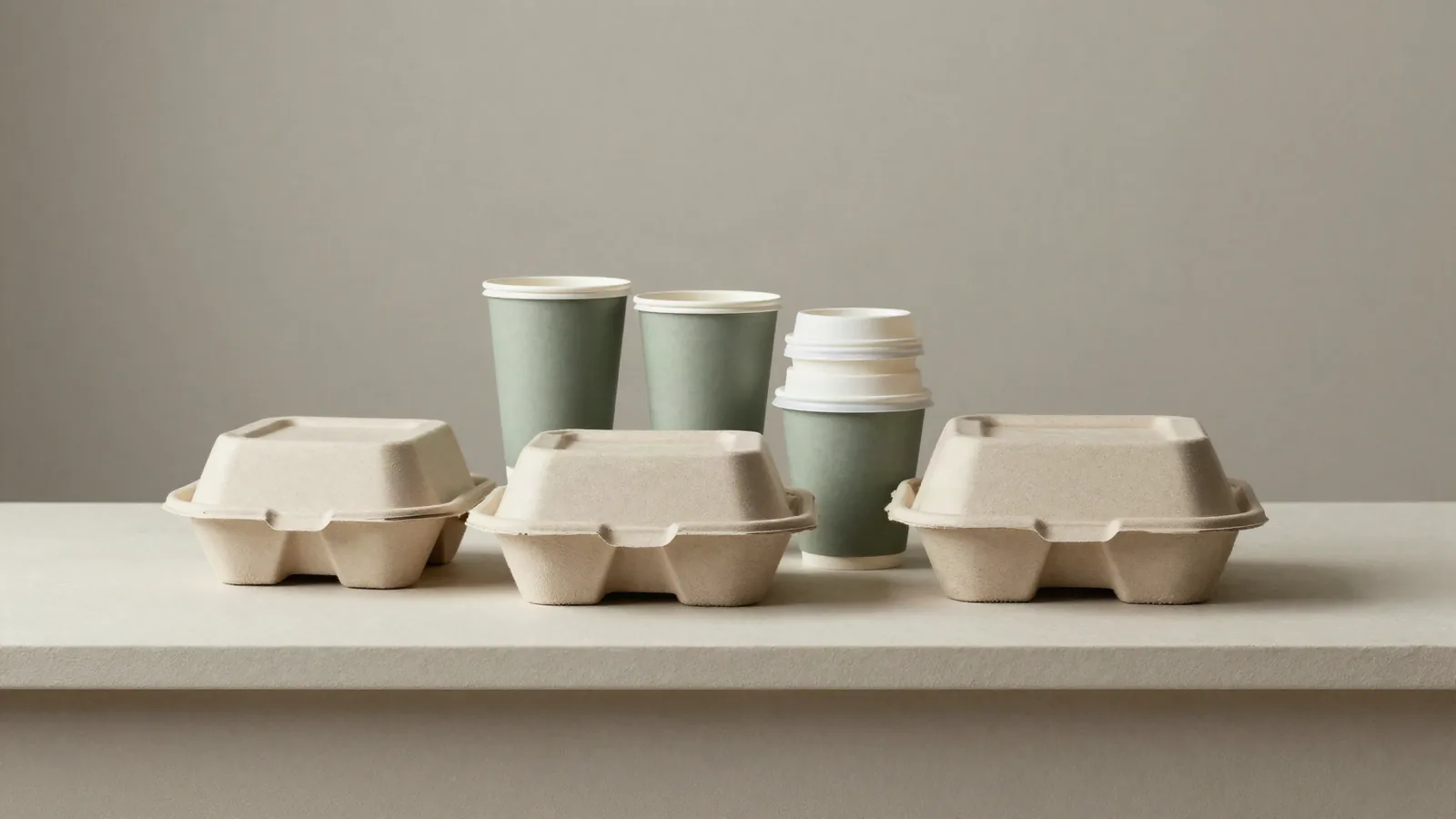




















































Food-contact packaging is packaging reviewed for a particular product, contact surface, material stack, finish, and handling route. The package name alone does not describe every layer that may touch the product. Start with the product and ask us about food-contact options for your product, then keep the selected structure and surface in the project brief.
What information should you give a packaging supplier?
Give the supplier the product, the product-facing surface, and the way the package will be filled and handled. Include filled dimensions, storage route, opening method, and whether a liner, inner wrap, insert, or window separates the product from the outer structure.
| Application detail | What to provide | Why it changes the review |
|---|---|---|
| Product contact | Product-facing surface and contact area | Separates direct contact from exterior design |
| Product condition | Dry, oily, moist, chilled, warm, or variable | Frames material and finish questions |
| Handling route | Filling, storage, display, opening, and delivery | Connects structure to actual use |
| Printed surface | Ink, coating, foil, or finish location | Keeps decorative choices on the correct layer |
Which surface needs the closest review?
The product-facing surface needs the closest review when the package has direct contact. Separate that surface from the exterior panel customers see, then identify every liner, wrap, insert, divider, window, folded flap, and coating that can change the contact area.
Contact may be continuous, occasional, or limited to filling and handling. Those are different use conditions. A printed front panel and an interior product-facing layer do different jobs, so one material name cannot describe the complete package structure.
How do moisture and oil affect material choices?
Grease, oil, moisture, condensation, temperature changes, and storage conditions belong in the application brief because each one changes the work the nearby surface must do. The outer printed panel can have a different finish from the surface separated from the product by a liner or insert.
Paperboard, kraft, rigid structures, windows, liners, and inserts should be discussed as parts of the complete package. Matte reduces shine, gloss increases shine, soft-touch changes the hand feel, foil adds reflective detail, embossing raises the surface, debossing presses it inward, and spot UV creates a selected glossy area. State where each finish sits.
For an exterior printed panel, aqueous coating is water-based and usually easier to glue on flaps. UV coating cures hard and glossy, but it can crack across scores and is harder to write on. These are surface tradeoffs. They do not answer the product-contact question, which still needs a review of the full material stack.
Which CPL products can help frame the discussion?
Wine box packaging shows a presentation-led carton with structured panels and finish directions. Wax packaging gives a reference for paperboard, kraft, rigid structures, inserts, and printed surfaces. Thanksgiving food boxes provide a food-oriented structure reference. Private label packaging adds another reference for branded panels and finish placement.
These product pages are format references, not product-specific contact answers. The custom packaging design page organizes the dieline, artwork, structure, and proof. Free design support includes drawing the dieline from supplied product dimensions.
What should the digital proof show?
The digital proof should show the assembled structure, product-facing surface, printed panels, finish placement, opening direction, window, liner, insert, and product orientation. A digital proof is the file used to inspect the dieline and artwork before anything prints.
Review copy at the actual package size. Check type near scores, artwork that reaches a cut edge, low-resolution images, RGB artwork after press conversion, and every surface that could contact the product. Ask us about food-contact options for your product before approving the structure or finish.
How do you start a food-contact packaging quote?
Start a food-contact packaging quote with the product description, contact surface, filling method, product condition, storage route, package structure, quantity, and destination. The MOQ is 100 units. Pricing is from $0.49 per unit at volume, quoted to spec. Production is typically 8 to 10 business days after proof approval, plus delivery.
Free US shipping and free design support are available. The $19.99 sample kit can help compare available material and finish directions before approval, and the sample kit is credited toward the first order. Ask us about food-contact options for your product.
Frequently Asked Questions
What details are needed for food-contact packaging?
Food-contact packaging review needs the product, product-facing surface, filling method, product condition, storage route, temperature, grease or moisture exposure, and package structure. Identify every liner, insert, window, coating, or finish. Ask Custom Packaging Lane about food-contact options for your product so the discussion stays tied to the actual application.
Does a material name describe the whole package?
A material name does not describe the whole package because a box can include printed board, coatings, liners, wraps, inserts, windows, and folded flaps. Identify which surface faces the product and how the package is filled, stored, opened, and handled. Then ask about food-contact options for your product.
Can a package have a decorative finish near a food product?
A decorative finish should be assigned to a specific package surface before it is reviewed. Matte, gloss, foil, embossing, debossing, and spot UV can change the exterior surface, but placement matters when a liner or product-facing layer is involved. Ask about food-contact options for your product before approval.
Can I compare material and finish samples?
A $19.99 sample kit can help compare available material and finish directions by hand before approval. The sample kit is credited toward the first order. Share the product and contact details first, because a useful comparison depends on the surface, structure, handling route, and finish location under discussion.
What are Custom Packaging Lane's terms for food-contact projects?
Custom Packaging Lane uses an MOQ of 100 units for food-contact packaging projects. Pricing is from $0.49 per unit at volume, quoted to spec. Production is typically 8 to 10 business days after proof approval, plus delivery. Free US shipping and free design support are available.












