











































































A garment box is sized around the packed garment, not the garment category. Put the folded item in its tissue, wrap, accessory set, or insert first, then record the packed length, width, and depth. That packout decides the cavity, lid clearance, panel order, and closure.
What should I specify before choosing a garment box?
The loading sequence decides the structure. State whether the garment is folded, rolled, or packed with a belt, card, hanger, or insert, then mark the front panel, lid, base, side panels, closure, label area, and customer-facing message on the brief.
One detail gets missed often: the accessory needs a place to land. Map the garment and accessory together, including tissue thickness and removal path. A package that fits the garment alone can still pinch a belt, buckle against a lid, or leave the insert loose.
Which board range is common for a garment box?
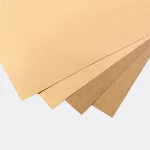
Paperboard caliper is the board thickness, measured in points. Typical industry references compare SBS, C1S, or C2S paperboard at 12 to 24 pt, kraft board at 18 to 24 pt, and rigid chipboard at 1.5 to 3 mm with 100 to 157 gsm art paper wrapped around it.
Corrugated flute is the wave inside a shipping board, and ECT is an edge crush test reference. E-flute gives a finer printed surface than B- or C-flute, while thicker flute choices give the shipper more stacking depth.
| Box direction | Typical industry reference | Check before approval |
|---|---|---|
| Folding carton | SBS, C1S, or C2S, 12 to 24 pt | Creases, tuck path, panel order, flat storage |
| Kraft carton | Kraft board, 18 to 24 pt | Ink contrast, fold behavior, closure |
| Rigid presentation box | Chipboard, 1.5 to 3 mm, wrapped in 100 to 157 gsm art paper | Lid clearance, edge wrap, opening sequence |
| Outer shipper | E, B, or C flute, with 32 ECT as a reference | Product movement, void space, parcel size |
Use 32 ECT as a reference, then check the filled carton and route.
Which garment box structure fits the packout?
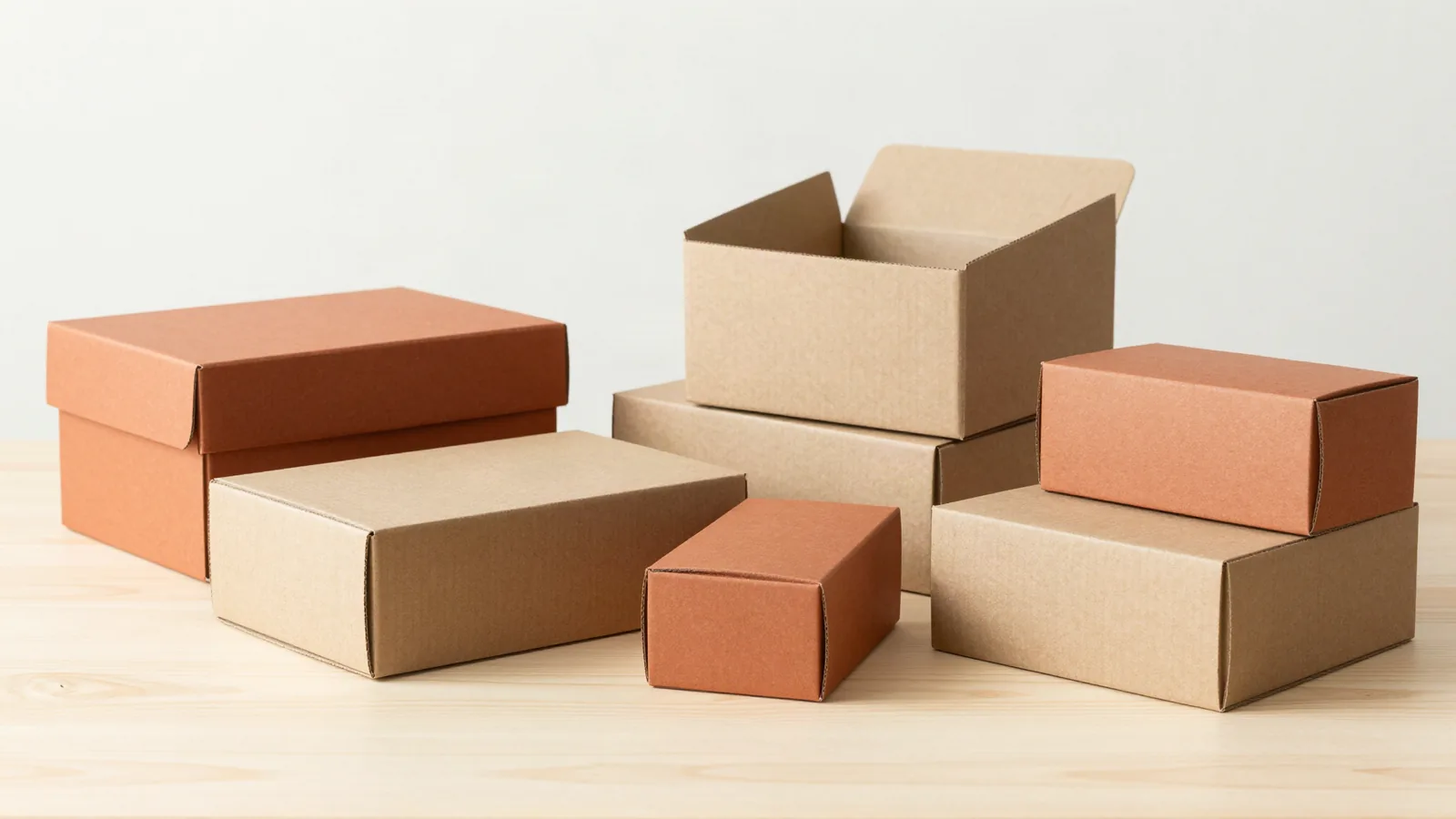
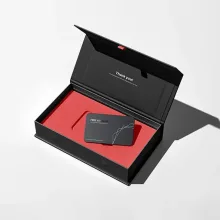
Straight tuck end and reverse tuck end cartons change the direction of the tuck and the visible opening. An auto-lock bottom or crash-lock base changes assembly and loading. A two-piece rigid box separates lid and base, while a drawer or slide box moves the garment out through a pull motion.
For a parcel, a roll end tuck top mailer can add an outer handling layer around a presentation box. Choose that extra layer only when the route and packout call for it. A garment box that stays on a retail shelf does not need the same structure as one moving through parcel handling.
How should I plan garment box printing and finishing?
Offset CMYK is a common process for detailed paperboard artwork. Digital printing can suit a short run or an artwork test. Matte or gloss lamination changes glare and surface feel. A dieline is the flat cutting template for the box, so put soft-touch, spot UV, foil stamping, embossing, and debossing callouts on it as separate finish instructions.
Keep type away from scores, seams, glue zones, and edges that disappear under a lid. Check low-resolution art and RGB files before proof approval, because the press file uses converted color values. The digital proof is where a small barcode, missing bleed, or misplaced logo should be caught.
How do I measure a garment box?
Use inside measurements for the folded garment, tissue, accessory, and insert, then write the box as length x width x depth. Record assembled outside dimensions separately when the garment box travels inside another package.
About 1/16 in, or 1.5 mm, is a common packaging tolerance, subject to the structure and contents. Leave room for folds, seams, lid depth, finger space, and fabric compression. Measure the actual packed item, not a product listing dimension.
When does a garment box need an insert?
An insert is useful when the accessory needs a fixed position or the folded garment must stay arranged after the lid opens. Custom foam box inserts show a cavity-led interior direction. Map the perimeter, cavity depth, product orientation, and removal path before the box is finalized.
A paperboard divider or tray can suit a folding carton. A rigid box can take a more structured interior. The insert should hold the packed product without forcing it against the lid or leaving it rattling inside.
Which catalog formats can help me compare the presentation?
Embossed tin boxes give a different reusable-container reference for small accessories or gift sets. Shoe box packaging is another folding-carton reference for panel order and opening. Compare those formats with the garment packout, then use custom packaging design when the dieline and artwork need to be planned together.
What belongs in a garment box brief?
The brief needs the packed dimensions, structure, artwork state, delivery destination, and interior support requirements before a quote can be scoped.
- Give the packed garment dimensions, tissue or wrap, accessories, and loading order.
- Name the structure, such as folding carton, rigid box, drawer or slide, mailer, or outer shipper.
- List the board, insert, print coverage, lamination, soft-touch, spot UV, foil, embossing, or debossing needs.
- Mark the front panel, closure, seams, glue areas, label space, and customer-facing message.
- Share artwork status, quantity, delivery destination, storage needs, and interior support requirements.
Send that brief to Custom Packaging Lane for a quote to spec from a 100-unit minimum. Pricing is from $0.49 per unit at volume, quoted to spec. Production is typically 8 to 10 business days after proof approval, plus delivery. Free US shipping, free design support, and a free dieline are available, and the $19.99 sample kit is credited toward the first order.
Frequently Asked Questions
What measurements should I send for a garment box?
A garment box should be measured around the packed garment, including tissue, wrap, accessories, and any insert. Record inside length x width x depth, then note the assembled outside dimensions separately. About 1/16 in, or 1.5 mm, is a common packaging tolerance, but the final clearance depends on folds, seams, lid depth, and fabric compression.
Which board works for a garment box?
Common folding-carton references include SBS, C1S, or C2S paperboard at 12 to 24 pt and kraft board at 18 to 24 pt. A rigid garment box commonly uses 1.5 to 3 mm chipboard wrapped in 100 to 157 gsm art paper. The filled sample should confirm crease behavior, lid clearance, and the intended opening.
Should I choose a folding or rigid garment box?
A folding garment box suits flat storage and a crease-defined opening. A two-piece rigid box, magnetic flap, or drawer or slide structure suits a more fixed presentation and separate lid or pull motion. Choose after checking the garment packout, tissue, insert, storage method, and delivery route.
How should garment box artwork be prepared?
Garment box artwork should identify panels, folds, seams, glue zones, bleed, and finish areas on the dieline. Offset CMYK suits detailed paperboard artwork, while digital printing can suit a short run or artwork test. Check RGB conversions, low-resolution files, logo placement, and barcode size on the digital proof before printing.
How can an insert help a garment box?
A garment box needs an insert when an accessory must stay in a fixed position or the folded item needs support after opening. Map the insert perimeter, cavity depth, orientation, finger access, and removal path. Paperboard dividers or trays suit lighter structures, while foam cavities suit a more controlled interior.