




























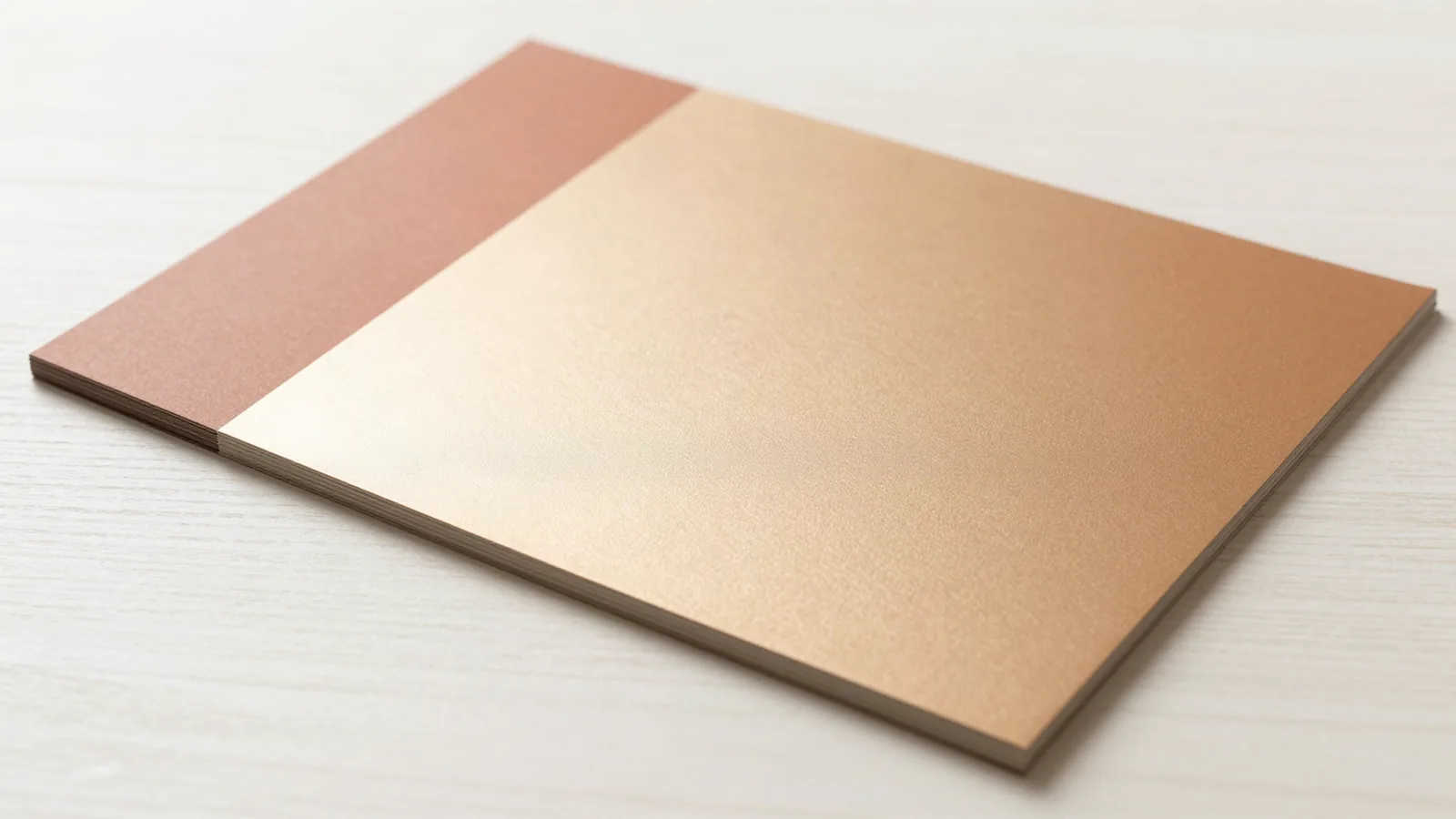




















































Holographic box packaging is a printed box with a reflective foil, film, or surface treatment mapped to the structure and artwork. The finish name does not set the price by itself. The quote needs the box construction, base stock, treated area, lamination, artwork coverage, quantity, closure, and proof details.
What makes a holographic packaging box cost more or less?
A holographic packaging box is priced from its complete specification, not from the word holographic alone. Box structure, stock, artwork coverage, foil or holographic treatment, lamination, quantity, and proof requirements all change the production discussion. A focused logo treatment and reflective coverage across several panels are different jobs.
Separate the box construction from the surface treatment in the quote. That keeps the physical package, decorative coverage, and proof decisions visible instead of hiding them behind one finish label. A broad treatment also needs review at folds, seams, lids, sleeves, and trays because the surface does not sit on a flat front panel only.
Which inputs belong on a holographic finish quote?
| Quote input | What it controls | Proof question |
|---|---|---|
| Base stock | Surface, fold behavior, and box structure | Which stock carries the selected finish? |
| Foil or holographic coverage | Reflective area and artwork map | Which panels or elements receive it? |
| Lamination | Surface sheen and feel | Which panels receive the laminate? |
| Box construction | Folds, seams, lids, sleeves, and trays | Where does the effect stop at transitions? |
| Quantity and proof | Quoted order and approved artwork | Are structure and finish fixed before approval? |
Put the treatment map beside the dieline. A dieline is the flat cutting template for the box, including panels, folds, trim, and glue areas. Without that map, the proof can show a decorative effect without showing where it stops at a fold or seam.
How do foil and lamination differ in production?
Foil and lamination are different finish inputs. Foil is a decorative layer mapped to selected artwork areas, while lamination is a surface film applied across the requested panel or package area. Foil follows a defined artwork shape. Lamination follows the surface area named in the specification.
They can be planned together, but the quote should name each treatment so the proof shows what is included. A logo, border, or pattern may use a focused foil map, while the surrounding panel uses a separate laminate direction. Keep those boundaries clear in the artwork file.
What changes when holographic coverage spans several panels?
Wider holographic coverage brings folds, seams, lids, sleeves, trays, readable text, and finish transitions into the review. Reflective surfaces can reduce the contrast of small type or fine lines. Show the treated area on the proof and inspect every exposed panel, not just the front face.
Box geometry changes the opening sequence. A lid, sleeve, or tray changes where the buyer first sees the finish, and a fold can interrupt a continuous visual effect. If foil crosses a score or fold, review the transition at the actual crease. Keep important copy away from the most reflective treatment.
Which CPL box formats can anchor the finish discussion?
Wine box packaging provides a presentation-box reference. Shoe box packaging frames a retail structure with several visible panels. Wax packaging starts a product-specific surface discussion, and private-label packaging fits a broader package program. The format page gives the box context, while the holographic treatment remains part of the project quote.
Why review a physical sample before proof approval?
A physical sample shows sheen, tactile feel, print contrast, and how the finish reads under actual light. A screen cannot reproduce every reflective surface. The $19.99 sample kit gives you a physical comparison before proof approval, especially when foil and lamination are planned together.
Use the sample to check whether small type stays readable, whether the surface feels right for the box, and whether the treatment stops where the design expects. Keep the sample as a reference, then make the approved proof the final record.
When should a holographic box move to proof?
Move to proof after the box structure, base stock, artwork, treated areas, lamination direction, closure, and readable copy are defined. The proof should show where the effect begins and ends at folds, seams, sleeves, lids, and trays. Production is typically 8 to 10 business days after proof approval, plus delivery.
Custom orders have a 100-unit MOQ. Pricing is from $0.49 per unit at volume, quoted to spec. Free US shipping and free design support are available. Use custom packaging design to organize the artwork and finish brief, then request the quote.
Frequently Asked Questions
How do foil and laminate differ in a box quote?
Foil and laminate are different finish inputs for a holographic packaging box. Foil is a decorative layer mapped to selected artwork areas, while lamination is a surface film applied across the requested panel or package area. When both are requested, the quote and proof should name each treatment separately.
How much does a holographic packaging box cost?
A holographic packaging box is quoted from its structure, base stock, artwork coverage, foil or holographic treatment, lamination, quantity, and proof requirements. Custom Packaging Lane pricing is from $0.49 per unit at volume, quoted to spec, rather than a flat holographic price. Request a quote with the finish map defined.
What should a holographic packaging proof show?
A holographic packaging proof should show the box structure, artwork, treated areas, surface finish, folds, seams, closure, and insert relationship. Check small text where reflective treatment changes contrast. Production timing starts after proof approval, so approve the complete visual map before the order enters production.
Which CPL products can guide a holographic box format?
Wine box packaging, shoe box packaging, wax packaging, and private-label packaging can guide the format discussion for holographic packaging boxes. Those product pages frame the package structure and use. The final foil, holographic coverage, lamination, artwork, and quantity still require a project-specific quote and proof.
Why review a physical sample before choosing a box finish?
A physical sample reveals sheen, tactile feel, print contrast, and how a finish reads under changing light. Custom Packaging Lane's sample kit costs $19.99 and can be reviewed before proof approval. Use the sample as a physical finish reference, then confirm the final structure and treatment in the approved proof.












