











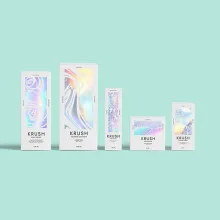
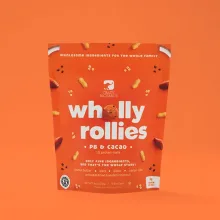
































To seal a Mylar bag properly, match the bag construction to the approved heat and seal time, then keep the open mouth flat and free of product. A mil is one-thousandth of an inch and describes film thickness. A Mylar bag is a flexible film pouch, but the word Mylar alone does not identify the inner seal layer, gauge, zipper, tear feature, or equipment setting.
What do you need before sealing a Mylar bag?
Before sealing a Mylar bag, identify the film construction, mil thickness, filled size, closure design, and equipment available for the job.
| Closure approach | Primary purpose | Operator focus |
|---|---|---|
| Heat-seal bag | Creates the main top closure | Use the approved heat and seal guidance |
| Zipper with top seal | Supports reopening with an initial closed seam | Keep the seam above the zipper track |
| Vacuum-seal bag | Removes air before the final closure | Match the bag to the equipment |
| Printed bag with tear feature | Combines artwork with guided opening | Keep the tear path clear of the seam |
The operator needs a clean mouth and a defined area where the seal will form. Keep product, powder, crumbs, folds, and wrinkles below that area. If the bag has a window, zipper, tear notch, or heavy ink coverage, show it in the package plan before the proof is approved.
How does mil thickness affect heat and seal time?
Mil thickness is one input used to set the heat and seal time for the selected Mylar bag construction.
A thinner or thicker film structure can respond differently to the same machine setting. The inner seal layer, film gauge, seal width, equipment, and product condition all matter. Use the current guidance tied to the approved specification instead of copying a generic temperature or dwell time from another bag. If the film construction changes, revisit the sealing guidance.
What steps make a clean heat seal?
A clean heat seal starts with an empty seam area and a flat mouth that stays aligned through the full sealing pass.
- Confirm the selected bag construction and project-specific heat and seal guidance.
- Fill the bag below the planned seam, leaving no product in the closure path.
- Lay the open top flat and remove folds from the sealing area.
- Apply the compatible sealer according to the approved setup.
- Let the seam settle before pulling or stacking the bag.
- Inspect the full seal and record the result with the bag specification.
A seam can look closed at the center and still have a weak section near an edge. Inspect from end to end, especially where a gusset, zipper, tear feature, or thick product has changed the mouth shape.
Can a Mylar bag have both a zipper and a heat seal?
A Mylar bag can use a zipper for reopening and a heat seal above it for the initial closed seam.
Keep the upper seam above the zipper track, and leave enough flat mouth area for the sealer. The zipper does not replace the heat seal when the quoted design calls for both. Check the artwork, closure position, and filled product together so the operator has a usable sealing zone.
How does vacuum sealing change the process?
Vacuum sealing adds an air-removal step before the final closure, so the bag and equipment must match the intended process.
Keep the mouth positioned correctly while air leaves the bag, then apply the final seal according to the selected construction. Custom Mylar vacuum seal bags provide a reference when air removal is part of the package plan. Do not assume that the same vacuum setting works with every film thickness or mouth design.
Where should artwork stop near the seal?
Artwork should leave a clear, flat sealing area above the fill and away from the closure parts.
Show the seal zone, zipper, tear notch, window, and any score or fold in the flat artwork. Low-resolution art can blur at print size, and RGB art can shift when it is converted for press. Type set too close to a seal or tear path creates a production problem even when the front panel looks correct. CPL provides a digital proof before anything prints.
Which CPL Mylar bag formats should you compare?
Compare the format that matches the closure and filling method you will actually use.
Custom Mylar heat seal bags fit a project where the heat seal is the main closure. Custom printed Mylar bags connect the seal plan to the finished artwork. Mylar bags for freeze drying provide another reference when the project involves a dry product pouch. For projects involving food, ask us about food-contact options for your product.
What should you put in a Mylar bag quote request?
Put the product, filled dimensions, closure preference, mil thickness request, artwork status, and available equipment information in the quote request.
Custom orders use a 100-unit MOQ. Pricing is from $0.49 per unit at volume, quoted to spec. Production is typically 8 to 10 business days after proof approval, plus delivery. Free US shipping and free design support are available. The $19.99 sample kit is credited toward the first order. Start the request through custom packaging solutions.
Frequently Asked Questions
What determines the heat and seal time for a Mylar bag?
The selected Mylar bag construction and mil thickness determine the starting heat and seal-time guidance, along with the compatible equipment and closure design. There is no universal setting for every bag. Use the guidance tied to the approved specification and revisit it if the film or format changes.
Can a Mylar bag have both a zipper and a heat seal?
A Mylar bag can have both a zipper and a heat seal. The zipper supports reopening, while the upper heat seal forms the initial closed seam. Keep the heat seal above the zipper track and keep the mouth flat. The final arrangement follows the selected construction and quoted closure details.
What should stay out of the Mylar sealing area?
Keep product, powder, folds, wrinkles, and closure parts out of the planned Mylar sealing area. Show artwork, windows, tear features, and zippers in the flat package file so the operator can identify the usable mouth. A clear seam area gives the approved setup a consistent surface.
Can custom printed Mylar bags be heat sealed?
Custom printed Mylar bags can be planned around a defined heat-sealing area. Share the artwork and closure details together so the design leaves a usable mouth for the selected equipment. For projects involving food, ask us about food-contact options for your product before approving the material.
What are Custom Packaging Lane's terms for custom Mylar bags?
Custom Packaging Lane uses a 100-unit MOQ, and pricing is from $0.49 per unit at volume, quoted to spec. Production is typically 8 to 10 business days after proof approval, plus delivery. Free US shipping and free design support are available, and the $19.99 sample kit is credited toward the first order.