











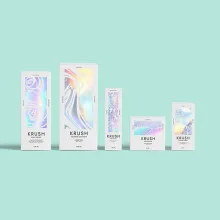
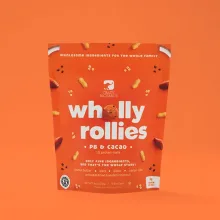
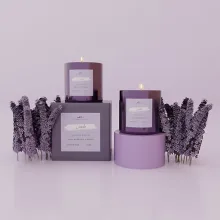
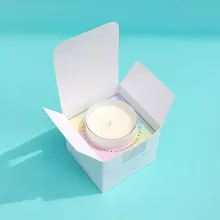

































How do you waterproof cardboard packaging?
To make cardboard packaging more water-resistant, specify a coating or laminate with the cardboard structure and quote the package for its actual exposure. A coating is a finish on the printed surface. A laminate is a film layer over the surface. Either can reduce the effect of splashes, humidity, or condensation on the treated area, but neither turns every seam, fold, edge, or opening into a sealed barrier.
Describe where the package will be stored, how it will be handled, and whether contact with liquid is occasional or expected. Tell us which surfaces matter, including the exterior, interior, lid, folds, and closure. Useful starting points include kraft cardboard boxes, custom cardboard gift boxes, and cardboard boxes with lid and tray.
What is the difference between coating and lamination?
A coating sits on printed cardboard, while lamination adds a film layer over it. Aqueous coating is water-based and dries quickly. It usually takes ink and glue well on flaps. UV coating cures hard and glossy and resists scuffing better than aqueous, but it can crack along score and fold lines and is harder to write on. Matte and gloss lamination change the surface feel and sheen, and the film still has to follow the package folds and edges.
| Finish direction | Surface behavior | Check before approval |
|---|---|---|
| Aqueous coating | Water-based surface finish | Ink coverage, glue areas, and fold lines |
| UV coating | Hard, glossy cured surface | Scores, folds, and areas that need writing |
| Matte lamination | Low-sheen film surface | Color appearance and fold behavior |
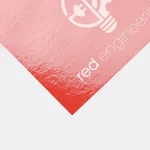
| Gloss lamination | Shiny film surface | Glare, color appearance, and edge coverage |
Which cardboard package should you specify for moisture exposure?
Choose the package structure first, then discuss the finish. A cereal carton has opening and fold lines that need inspection. A jewelry box with a lid and tray has contact points between separate pieces. A box with an insert adds an interior cavity, so the insert, product fit, and assembly need the same moisture discussion. Compare custom cardboard cereal boxes, custom cardboard jewelry boxes, and cardboard boxes with inserts against the way the product is packed.
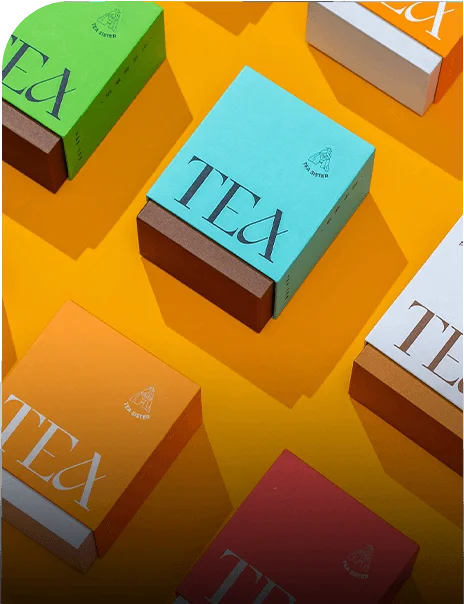
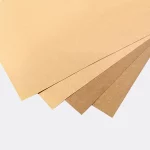
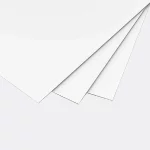
Kraft board keeps a natural brown face, while white board gives printed artwork a cleaner base. The choice changes how colors and large ink areas appear. Tell us whether the exterior needs a kraft look, a white print surface, a matte face, or gloss. The selected finish should match the artwork and the folds, not just the product category.
Can a finish protect every edge and fold?
No. A surface finish does not seal cut edges, glue tabs, score lines, seams, or openings. Those areas can react differently because the board is folded, cut, compressed, or joined. If moisture reaches the package from an edge or closure, the structure and assembly matter as much as the printed face.
Describe the actual exposure instead of asking for a universal waterproof label. If the package raises a food-contact question, ask us about food-contact options for your product. A coating or laminate alone does not answer that question.
What should you review in a coated or laminated proof?
Check the finish appearance, printed colors, folds, cut lines, glue tabs, seams, and closure before approving the digital proof. A dieline is the flat cutting template used to print, cut, score, and fold the package. Confirm that the artwork has bleed beyond the cut line, that type is not too close to a score, and that low-resolution or RGB artwork has been handled before press setup.
Look at ink coverage on large dark panels, then inspect the areas that will be touched or folded. A press check looks at color, registration, coating or film coverage, and the way scores behave on the sheet. CPL sends a digital proof before anything prints. Approve only after the structure and finish match the real use.
What does water-resistant cardboard packaging cost and how long does it take?
The MOQ is 100 units. Pricing is from $0.49 per unit at volume, quoted to spec. Free US shipping and free design support are available. The sample kit is $19.99 if you want to handle finish examples before selecting the package.
Production is typically 8 to 10 business days after proof approval, plus delivery. This is a typical production window, not a promised completion date. Use custom packaging design to start the specification. Send product dimensions, exposure conditions, artwork, quantity, and preferred finish for a quote.
Frequently Asked Questions
Can coated cardboard handle splashes and humidity?
Coated cardboard can add water resistance for splashes, humidity, or condensation on the treated surface. It does not seal every cut edge, fold, seam, or opening. Describe the exposure and package structure to CPL so the coating or laminate is quoted to the actual use. Water resistance is a package specification, not a universal cardboard property.
Does lamination make a cardboard box waterproof?
Lamination can add a film layer and water resistance to a cardboard box, but it does not make every package a sealed barrier. Folds, seams, glue tabs, cut edges, and closures still need attention. Ask CPL to quote the laminate with the structure, artwork, and exposure conditions. If food contact matters, ask us about food-contact options for your product.
Which finish should I choose for cardboard packaging?
The right cardboard finish depends on the surface effect, artwork, folds, and moisture exposure. Aqueous coating is water-based and dries quickly. UV coating is hard and glossy but can crack along scores. Matte or gloss lamination adds a film surface. CPL can quote the finish with the selected box structure instead of treating one option as universal.
What is the minimum order for water-resistant cardboard boxes?
The minimum order for water-resistant cardboard packaging is 100 units. Pricing is from $0.49 per unit at volume, quoted to spec, so the quote can reflect the structure, dimensions, material, finish, artwork, quantity, and delivery details. Free US shipping and free design support are available for the project.
How soon can coated cardboard packaging be produced?
Production for coated or laminated cardboard packaging is typically 8 to 10 business days after proof approval, plus delivery. The window is a typical production period, not a promised completion date. CPL sends a digital proof before anything prints, so structure, finish, artwork, and folds can be checked before approval.