











































Waterproofing cardboard starts with the exposure a box will face. Condensation, a short spill, humid storage, and direct wet contact create different packaging questions. A coating or lamination adds a surface barrier, but seams, folds, board edges, closures, and openings still need attention. A finish name is not a complete performance specification.
A water-resistant cardboard box is designed to tolerate a defined amount of moisture while keeping its intended function. Waterproof is a stronger claim and should be used only after the complete assembled package has been checked against the actual exposure. If the product will touch the packaging, ask us about food-contact options for your product before approving the board or finish.
How do you waterproof a cardboard box?
Specify the expected moisture exposure, then match the board, surface finish, folds, seams, closure, and testing method to that exposure.
The broad printed face is only one part of the box. Water can reach an uncoated edge, tuck flap, glue tab, window, or opening even when the face has a film or coating. The quote should state where moisture comes from, how long contact may last, how the box will be folded and filled, and whether the filled package will be stacked or shipped.
Which cardboard finish adds moisture resistance?
The finish changes the printed surface, but the best choice depends on the exposure, folding, glue areas, and board.
| Finish direction | What it does | What to check |
|---|---|---|
| Aqueous coating | A water-based coating over the printed surface that dries quickly and takes glue and ink well | Moisture exposure, edge behavior, and fold performance |
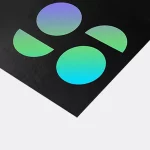
| UV coating | A hard, glossy surface cured under UV light with stronger scuff resistance than aqueous coating | Scores and folds, because the coating can crack there, plus whether the surface must accept handwriting |
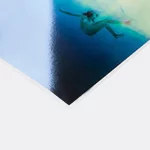
| Matte or gloss lamination | A film layer over the printed face that gives a more complete face barrier and changes the surface feel | Covered faces, folded edges, glue tabs, and closure movement |
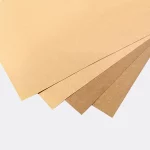
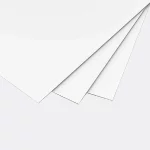
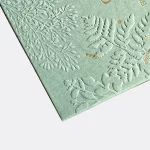
| Uncoated kraft board | A paper surface with a natural presentation and no added film barrier | Whether dry handling and storage fit the package use |
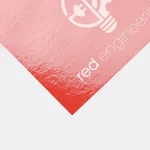
For a covered printed face, film lamination usually creates a stronger moisture barrier than a liquid coating. It also changes how the sheet folds and how glue reaches the surface. Ask the print team to show the selected finish on the proof.
Is laminated cardboard waterproof at the seams?
Laminated cardboard is not automatically waterproof at seams, folds, edges, or openings because the film covers only the areas included in the laminate specification.
A film can limit moisture contact on the covered face while an exposed board edge still absorbs water. A tuck closure can leave a path into the box. A drawer, lid, tray, insert, or window creates additional joins to inspect. Check the assembled box, not only a flat laminated sheet.
Which box structure fits a moisture concern?
Choose the box structure by looking at every exposed edge, closure, and opening that moisture can reach.
For a natural board direction, compare kraft cardboard boxes. A separate opening uses custom cardboard boxes with lid and tray. A sliding format uses custom cardboard drawer boxes. For gift presentation, review custom cardboard gift boxes. When the interior arrangement affects exposed surfaces, compare custom cardboard boxes with inserts.
These structures do not carry the same edge and closure pattern. The selected coating or laminate needs to be checked on the actual structure and fold sequence.
How should you test a water-resistant cardboard box?
Test a water-resistant cardboard box as an assembled, filled package under the moisture exposure it is expected to face.
- Inspect the printed face, board edge, corners, folds, seams, and closure.
- Check whether the finish cracks when the box is folded.
- Look for exposed board around openings, glue tabs, windows, and inserts.
- Use the expected filled product and handling position during the check.
- Record what changed after exposure before approving the finish.
A finished sample gives you information a finish name cannot. The $19.99 sample kit can provide a physical reference for board and surface discussions, and it is credited toward the first order.
What belongs in a cardboard moisture-resistance quote?
A cardboard moisture-resistance quote should include the product, finished dimensions, box structure, board preference, artwork, finish direction, expected moisture exposure, quantity, and delivery destination.
Use CPL's custom packaging solutions page as the starting point for the request. Custom projects use a 100-unit MOQ. Pricing is from $0.49 per unit at volume, quoted to spec. Production is typically 8 to 10 business days after proof approval, plus delivery. Free US shipping and free design support are available. CPL sends a digital proof before anything prints. Send the exposure notes with the product dimensions so the board, finish, and structure are checked as one package.
Frequently Asked Questions
Can coating make any cardboard box waterproof?
A coating can add a treated surface, but it does not make every cardboard box waterproof for every exposure. Board edges, folds, seams, closures, openings, and inserts can remain exposed. Describe the moisture source and handling conditions, then check the complete assembled box before approving the finish.
Which is better for moisture, lamination or coating?
Lamination usually creates a stronger moisture barrier on the covered printed face because it adds a film layer. Aqueous and UV coatings change the surface in different ways and can suit different folding, glue, writing, and scuff requirements. The board, structure, seams, and expected exposure still decide the specification.
Will lamination protect a cardboard box seam?
Lamination protects only the faces and edges included in the laminate specification. A seam, fold, glue tab, opening, or exposed board edge can remain vulnerable even when the printed face has film. Check the assembled box with its actual closure and filled product before calling the package water resistant.
What should I tell CPL about product contact?
If the product will touch the cardboard, coating, or laminate, tell CPL where that contact occurs and ask us about food-contact options for your product. A general cardboard description does not answer the contact question. Include the product, box structure, board, finish direction, quantity, and destination in the request.
What are CPL's cardboard order terms?
Custom cardboard projects use a 100-unit MOQ, and pricing is from $0.49 per unit at volume, quoted to spec. Production is typically 8 to 10 business days after proof approval, plus delivery. Free US shipping and free design support are available, and the $19.99 sample kit is credited toward the first order.