




























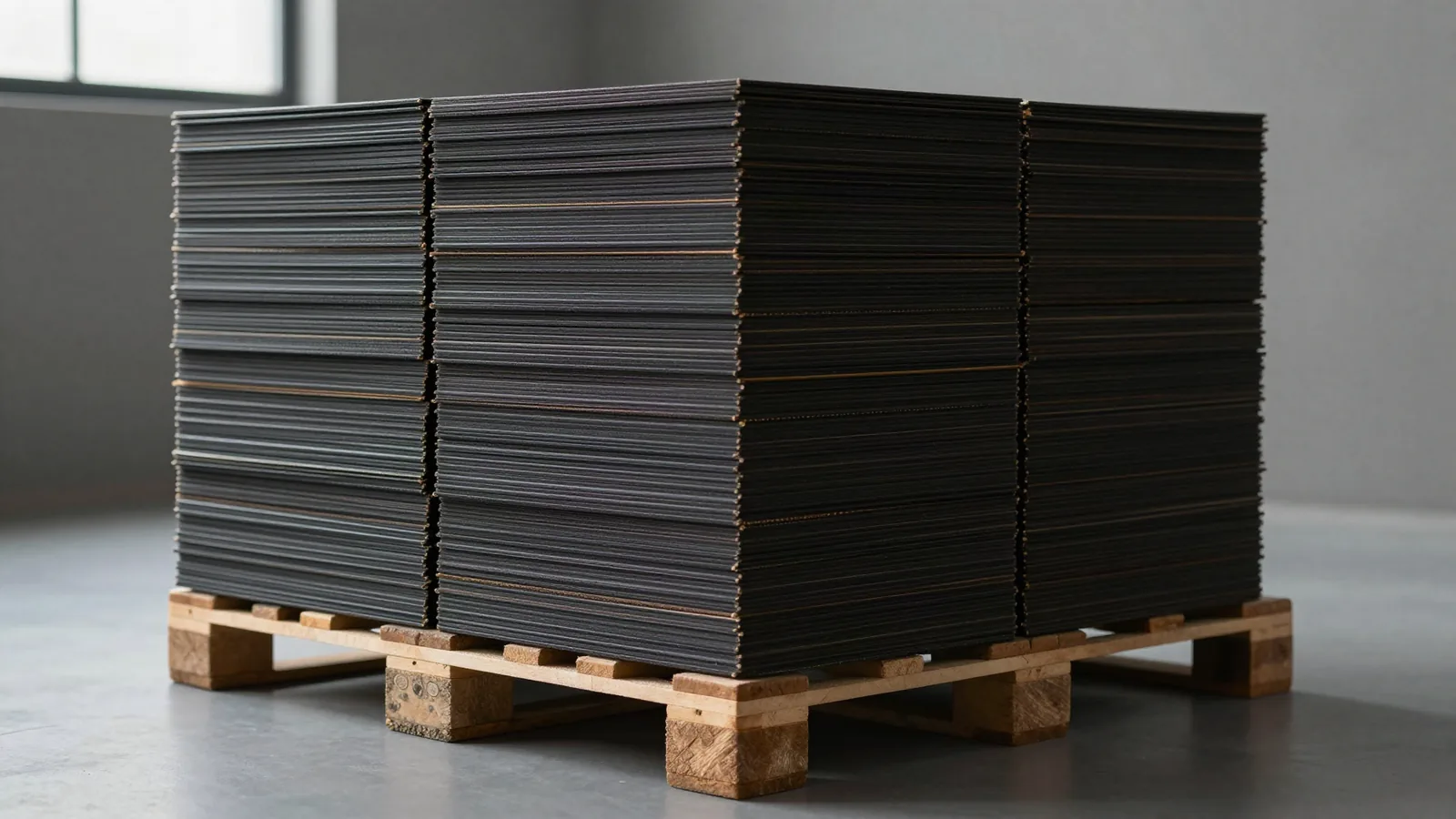




















































Low MOQ branded packaging is a small production run with the same physical decisions as a larger package: product fit, opening, artwork, material, finish, and packing method. The useful move is to separate what stays fixed across SKUs from what changes. Logo position, panel order, and structure can stay steady while product name, color field, or copy changes.
What does low MOQ custom packaging need to solve?
A useful product brief names the item, variant count, inside fit, opening, closure, artwork panels, and shipping role. A package that looks consistent but leaves the product rattling is not a finished system. If the first run includes several SKUs, mark which dimensions can share one structure and which need a separate fit check.
| Quote input | What to specify | Why it changes the job |
|---|---|---|
| Board caliper | Paperboard or rigid thickness | Changes stiffness, folding, clearance, and material use |
| Print coverage | Panels, colors, and artwork areas | Sets the printed surface and press scope |
| Finishing | Lamination, soft-touch, foil, UV, embossing, or debossing | Adds separate surface or decorative operations |
| Quantity plan | First run and alternate quantity scenarios | Shows the requested production scope |
| Tooling | Special cut, insert, shape, or construction | Adds preparation beyond a standard dieline |
| Shipping zone | Destination and package footprint | Defines the delivered packaging request |
Which materials suit a new branded package?
SBS, C1S, and C2S paperboard are common folding-carton references in the 12 to 24 pt range. Kraft board is commonly discussed around 18 to 24 pt. Rigid boxes use chipboard, a dense paperboard core, commonly in the 1.5 to 3 mm range, wrapped in 100 to 157 gsm art paper. Thicker rigid construction holds shape without relying on fold scores.
Choose the stock after checking the product, opening, print coverage, desired stiffness, and handling. If the package will touch food, ask us about food-contact options for your product. The material choice also affects sheet yield, storage volume, tooling, and the way the package arrives to the packer.
Which structures are practical for a small branded launch?
Straight tuck end and reverse tuck end cartons suit compact products with a familiar top opening. Auto-lock bottom and crash-lock constructions create a formed base, with more fold detail in the dieline. A sleeve keeps the outer brand panel simple around an inner package. Pillow, gable, drawer, slide, magnetic flap, and two-piece rigid boxes each change the silhouette, access, and assembly work.
Pick the simplest structure that supports the product. A shared sleeve or insert can keep a product family visually aligned, but it cannot remove the need to check each item's dimensions, weight, and closure clearance. The right test is the actual packed product in the actual structure.
How should several SKUs share one package system?
An artwork map is the file that assigns logo position, product-name area, color field, information block, barcode space, finish layer, and panel order. Make that map before the dieline is final. Fixed elements stay in stable locations, and variable content gets reserved areas.
Prepress catches the expensive mistakes. RGB artwork can shift when converted for press, bleed left off a file can expose an unprinted edge, and type placed too close to a score can fold into the copy. Send a digital proof before printing, then check the physical fit when the structure or insert is new.
Which finishes make sense on a smaller run?
Digital printing is commonly considered for short runs or early version tests. Offset CMYK is often selected for detailed, repeatable paperboard graphics. Matte or gloss lamination changes sheen, soft-touch changes feel, and spot UV, foil stamping, embossing, and debossing direct attention to selected areas.
Keep the finish plan narrow. Show every treatment as a separate proof layer, then check folds, seams, glue tabs, and closures. A decorative layer that lands across a score can crack, and a foil or UV area that runs into a glue zone can complicate assembly.
Could a pouch, bag, or window fit the brand?
Flexible and textile formats can be better than a carton when the product needs a different opening, storage pattern, or barrier. Mylar or foil laminates commonly use PET, AL, and PE layers. Non-woven polypropylene is commonly referenced around 80 to 120 gsm, and cotton canvas around 8 to 12 oz. PET window material is commonly referenced around 0.2 to 0.3 mm for window patching.
These are material references, not a substitute for the product brief. Choose the format around containment, display, handling, and the artwork surface. Keep the product dimensions and packed orientation beside the artwork map.
Which product references can shape the system?
Private-label packaging is a useful reference when several products need one coordinated identity. Wine box packaging shows how a tall carton uses its front panel, while wax packaging shows a compact product format. Perforated packaging is relevant when the opening action is part of the package.
What should I prepare before requesting a quote?
Quote requests need the product, package, artwork, quantity, and delivery decisions in one file.
- List products, variants, component sizes, and packed orientation.
- Choose a carton, sleeve, pouch, bag, mailer, rigid box, or tin direction.
- State the board, laminate, fabric, insert, window, or material preference.
- Map logo placement, product names, colors, information areas, and barcode space.
- Identify print coverage, finish layers, tooling, quantity scenarios, and delivery zone.
- Separate fixed brand elements from artwork that changes by SKU.
What does a low MOQ packaging quote include?
Custom Packaging Lane quotes low MOQ branded packaging from a 100-unit minimum, with pricing from $0.49 per unit at volume, quoted to spec. Production is typically 8 to 10 business days after proof approval, plus delivery. Free US shipping, free design support, and a free dieline are available. Order the $19.99 sample kit, credited toward the first order, then review custom packaging for small business for a launch brief.
Frequently Asked Questions
What does low MOQ custom packaging mean?
Low MOQ custom packaging is a custom package offered for a smaller first production run, with the same need for structure, fit, material, artwork, finish, and delivery planning as a larger run. Define fixed brand elements separately from SKU changes. That keeps the first dieline useful when the product family expands.
How can several SKUs share one branded package system?
Several SKUs can share a package system when their dimensions, weight, opening, and closure clearances are close enough. Create an artwork map for the logo, product name, color field, information block, barcode area, and finish layers. Keep fixed elements stable, reserve variable panels, and test the most demanding product in the shared structure.
Which structures suit a small branded run?
Straight tuck end, reverse tuck end, sleeve, pillow, gable, mailer, auto-lock bottom, crash-lock bottom, drawer, slide, magnetic flap, and two-piece rigid boxes are possible structure directions. Choose by product fit, opening, assembly, artwork surface, and shipping role. A physical sample matters when folds, inserts, or closures determine whether the package works.
What can add cost without improving a package?
Unneeded finishing, complex tooling, oversized inserts, broad print coverage, and a structure that does not match the product can add work without solving a packaging problem. Start with product fit, opening, artwork hierarchy, and handling. Add laminate, foil, UV, embossing, debossing, or specialty construction only when the buyer can name the job it performs.
What files should I send for branded packaging?
Send the logo, artwork, required copy, color direction, product dimensions, inside measurements, desired structure, finish layers, and delivery location. Mark fixed brand elements and SKU changes. Include any insert, window, pouch, sleeve, or bag requirement in the same brief so the proof shows the package as a working system.












