





















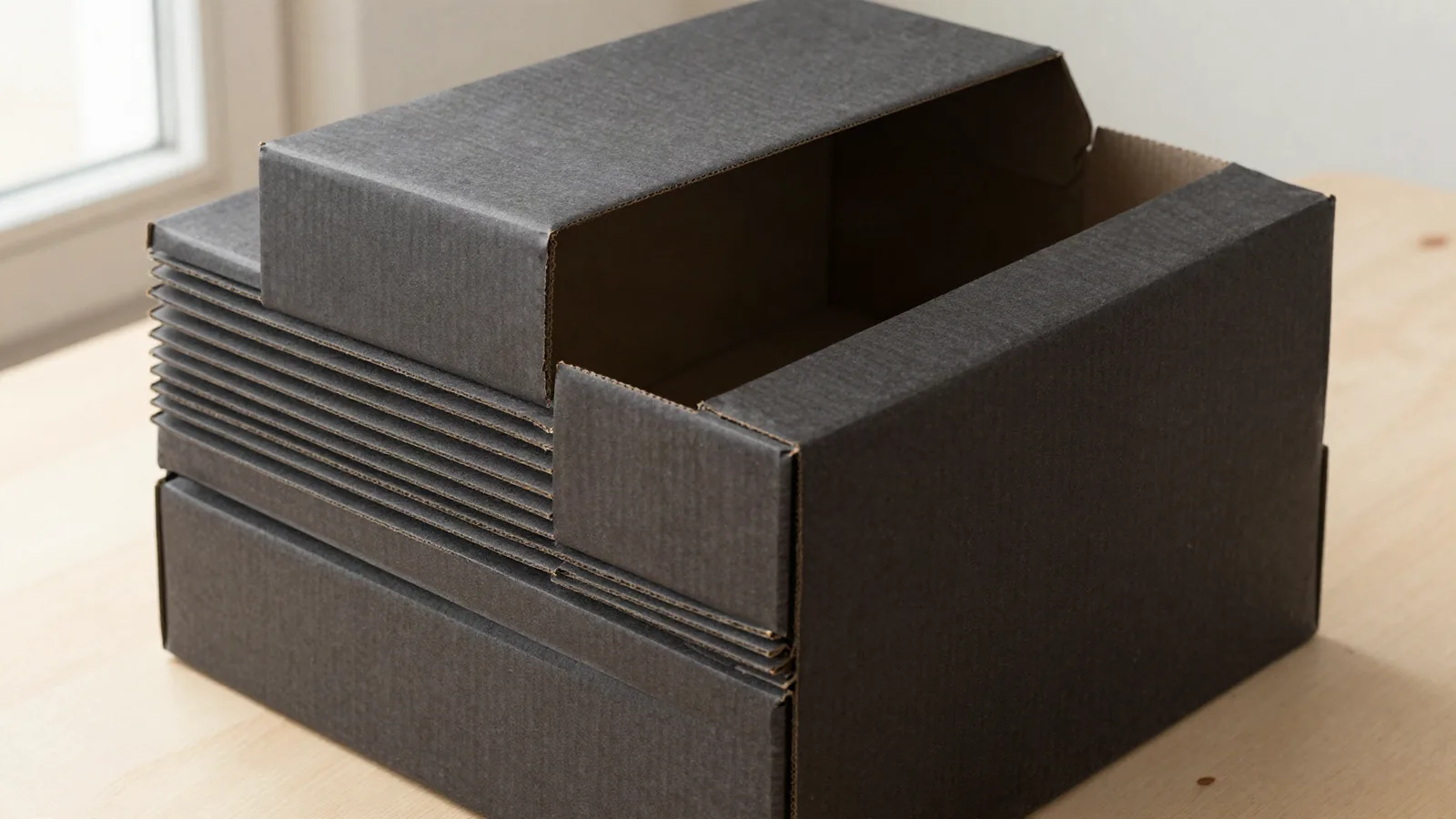



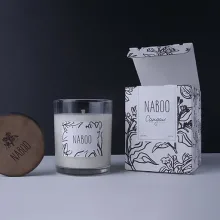
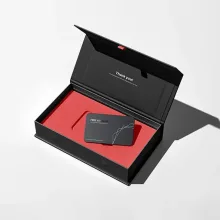




































A mailer box with insert combines an outer shipping structure with an interior piece that positions, separates, cushions, or raises the product. A mailer box is a box designed to close around a shipment without a separate outer carton. The insert has to fit the packed item, rather than the product by itself. Include accessories, tissue, cards, and any protective material in the measurements.
Which insert fits the product inside a mailer?
Foam fits a brief that needs shaped support. A cardboard riser creates elevation or separates parts of a set. A crinkle tray adds fill and a softer presentation layer. Use the product contact points and removal path to decide between them.
| Product situation | Insert direction | Proof question |
|---|---|---|
| Shaped or fragile item | Foam | Does the cavity support the product without blocking removal? |
| Flat product or organized set | Cardboard riser | Where should the product sit, rise, or separate? |
| Lightweight gift or loose assortment | Crinkle tray | How much fill keeps the product in place? |
These are fit directions, not a claim about which option ships most often. Foam changes the contact points around the product. A cardboard riser changes the usable height inside the mailer. A crinkle tray changes how much loose space remains around the item. The assembled pack-out decides which one works.
How do foam, cardboard risers, and crinkle trays differ?
Compare the job before comparing the appearance. Foam holds a shaped item in a defined cavity. A cardboard riser lifts or separates an item with a folded structure. A crinkle tray fills open space and contributes to the first visual reveal. Each direction changes loading, storage, product movement, and how much room remains for the lid to close.
Ask the proof to show the product inside the insert, not beside it. If the cavity is cut to the exact product size, check removal with the actual product and its wrap. A tight fit can slow packing. A loose fit can leave the product rattling after delivery.
Which CPL products can guide a mailer insert project?
The direct reference is custom mailer boxes with insert. For a bottle-oriented pack, review wine box packaging. For a larger or flatter product envelope, compare shoe box packaging. For a smaller organized product, use jewelry boxes with inserts. These catalog pages help frame the conversation, but their dimensions do not transfer automatically to a new mailer.
What should a mailer box with insert proof show?
The proof should show the assembled mailer, insert position, packed product, lid clearance, artwork orientation, and removal path. If the product has an irregular shape, send measurements, photographs, a dimensioned sketch, or a physical reference with the brief. The goal is to settle the box and insert together before production approval.
- Show the outer mailer closed and open.
- Mark cavity walls, support points, and product contact areas.
- Include accessories, wraps, and grouped items in the pack-out.
- Place exterior, interior, and insert artwork on the correct panels.
- Check that the lid closes without pressing into the insert.
Free design support can help draw the dieline from the product dimensions. A digital proof should catch missing bleed, wrong panel orientation, or type set too close to a score before the run begins.
What are the MOQ, price, and timing?
Custom mailer boxes with inserts use a 100-unit MOQ. Pricing is from $0.49 per unit at volume, quoted to spec. Production is typically 8 to 10 business days after proof approval, plus delivery. Free US shipping and free design support are available.
Ask for the mailer structure and insert direction to appear as separate line items in the quote. The $19.99 sample kit can help compare board, insert feel, and opening presentation before the custom proof is approved.
How should you prepare the design brief?
Send the product category, packed dimensions, insert goal, opening preference, artwork status, finish direction, quantity, and delivery destination. The custom packaging design guide can help organize those inputs. Keep the product envelope exact. The clock starts after proof approval, not when the first dimensions are emailed.
Frequently Asked Questions
How do I choose an insert for a mailer box?
Choose the insert by the job it must perform inside the mailer box. Foam fits shaped support, a cardboard riser fits elevation or separation, and a crinkle tray fits fill and presentation. Confirm the packed product dimensions, contact points, lid clearance, loading method, and removal path in the assembled proof.
Are foam, cardboard risers, and crinkle trays interchangeable?
Foam, cardboard risers, and crinkle trays are not interchangeable for every mailer box with insert. Foam forms shaped support, a cardboard riser changes elevation or separation, and a crinkle tray fills open space. The correct direction depends on product movement, packing work, lid clearance, storage, and the intended opening.
Can a mailer box with insert hold a wine product?
A mailer box with insert can be discussed for a wine product when the bottle dimensions, product position, insert cavity, closure, and removal path are included in the brief. The wine box packaging catalog page is a reference, not a source of dimensions for a new mailer. Ask us about food-contact options for your product.
What is the minimum order for a mailer box with insert?
The minimum order for a custom mailer box with insert is 100 units. Pricing is from $0.49 per unit at volume, quoted to spec. Production is typically 8 to 10 business days after proof approval, plus delivery. Free US shipping and free design support are available.
What should I check before approving an insert proof?
Before approving a mailer box with insert proof, check the assembled box, insert position, product clearance, closure, artwork orientation, and removal path. Confirm that accessories and wraps are included in the measurements. A $19.99 sample kit can help compare board and insert presentation before the custom proof is approved.