
















































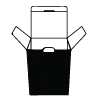

How do you measure box dimensions?
To measure box dimensions for a custom quote, record length, width, and height in that order, then label the values as inside or outside dimensions. LWH means length, width, height. The measurement basis matters because product fit uses usable inside space, while shipping and display use the finished package footprint. Send the orientation with the numbers when the box has an unusual opening or shape.
What does LWH mean for box dimensions?
Length is the first field, width is the second, and height is the third. In a standard rectangular package, length and width describe the horizontal reference directions, while height describes the vertical direction when the package sits in its normal position. If orientation is not obvious, name the front face, base, opening direction, and product position.
| Field | What to record | Helpful note |
|---|---|---|
| Length | First horizontal direction | Identify the reference face or base |
| Width | Second horizontal direction | Keep it separate from depth or gusset notes |
| Height | Vertical direction when packed | State how the product sits inside |
| Measurement basis | Inside space or outside footprint | Use one basis for each LWH set |
| Orientation | Front, base, opening, and product position | Explain how the package will be used |
How should you measure a box for shipping?
Use the finished outside dimensions for a shipping footprint, while keeping product-fit dimensions separate. Measure the package after it is assembled, with the closure, insert, wrap, sleeve, or other packing layer in its real position. Product fit depends on usable inside space. Shipping, storage, and display depend on the outside package.
Do not mix an inside length with an outside width and call the result one LWH set. If the box is folded or assembled before the product is inserted, describe that assembled position. A short note about the opening direction can prevent a correct measurement from being read against the wrong face.
Should box dimensions be inside or outside measurements?
Measure inside when fit is the main question and outside when storage, display, or shipping footprint is the main question. Many custom projects need both because the product must fit an insert while the finished package must also fit a defined setting.
| Question | Measurement basis | What to clarify |
|---|---|---|
| Will the product fit? | Inside dimensions | Product position, insert, closure, and packing layer |
| Will the package ship? | Outside dimensions | Finished footprint and closure direction |
| Will the package display? | Outside dimensions plus facing | Front panel, shelf position, and orientation |
| Will an insert be used? | Inside cavity and outside package | Insert position and occupied space |
Which product details belong with the dimensions?
A product with an insert, unusual shape, or fixed opening needs more than three numbers. For a bottle presentation, compare wine box packaging and describe the bottle position and closure. For footwear, use shoe box packaging and record how the pair is arranged. If the item needs fitted support, review custom foam box inserts. A surface-led metal package can use an embossed tin box reference. These formats change the measurement notes, so the actual LWH values still need to come from the project.
How do dimensions affect the quote and proof?
Dimensions shape the quote, but CPL also needs the package format, artwork, finish, quantity, and destination. The MOQ is 100 units. Pricing is from $0.49 per unit at volume, quoted to spec. Free design support can help when product orientation or the measurement basis is unclear. The proof should then show the proposed structure and artwork together so you can check fit, opening, panel placement, and outside footprint.
Production is typically 8 to 10 business days after proof approval, plus delivery. Free US shipping is available. The $19.99 sample kit can help compare physical packaging direction before the final proof. For a broader starting point, visit custom packaging solutions. Send LWH values, the measurement basis, product orientation, artwork, quantity, and destination for a quote.
Frequently Asked Questions
What do LWH dimensions mean on a box quote?
LWH dimensions mean length, width, and height in that order. Length and width describe the horizontal reference directions, while height describes the vertical direction in the package's normal position. State the front face, opening direction, and product position when orientation is not obvious, then label the values as inside or outside measurements.
Should I measure the product or the finished box?
Measure the product and packing layers for inside fit, then measure the assembled package for the outside shipping, storage, or display footprint. Do not mix an inside length with an outside width in one LWH set. Label each basis beside the values so the quote uses one consistent measurement reference.
How do I measure a box with an insert?
For a box with an insert, record the usable inside cavity, the insert position, the product orientation, and the assembled outside dimensions. The insert takes up space inside the package, so product dimensions alone are not enough. Include the insert material or format in the quote notes when fit is part of the requirement.
What details should I send with box dimensions?
Send length, width, height, measurement basis, product orientation, opening direction, package format, artwork status, quantity, and delivery destination. Explain whether the values describe the packed product or the finished package. Clear notes reduce the chance of a quote using the right numbers in the wrong orientation.
What order terms apply to a custom box quote?
CPL uses a 100-unit MOQ, and pricing is from $0.49 per unit at volume, quoted to spec. Production is typically 8 to 10 business days after proof approval, plus delivery. Free US shipping and free design support are available, and the sample kit is $19.99 if you want to compare packaging examples.