













































































Lane packaging is a planning term for the decisions that move a product from a package idea to a complete packaging request. If you searched for lane packaging, begin with the product role, filling method, presentation goal, and delivery environment. The lane then points to the format, material, artwork, proof, and order details that need a decision. It is a planning framework, not the name of one box or bag style.
What does lane packaging mean?
The phrase names a product-led path through packaging decisions. A bottle, textile, shoe, seed packet, or small retail item can enter a different lane because the filling motion, cavity, display face, and handling path change. Set those facts first. Structure and material choices make more sense after the package job is clear.
Which lane fits the product I am packaging?
The first specification is the physical job the package must perform. Use the table to start with a catalog direction, then replace the general description with the actual product and filled dimensions.
| Packaging lane | Format to explore | First specification to settle |
|---|---|---|
| Bottle and gifting | wine box packaging | Product fit, opening direction, interior support |
| Wax and small goods | wax packaging | Carton size, board surface, information panels |
| Textile presentation | towel packaging or sock packaging | Folded product shape, display orientation |
| Footwear presentation | shoe box packaging | Inside measurements, lid or closure, stacking |
| Seed and retail packets | seed packaging | Packet format, fill process, printed face |
Which board references fit a folding carton lane?
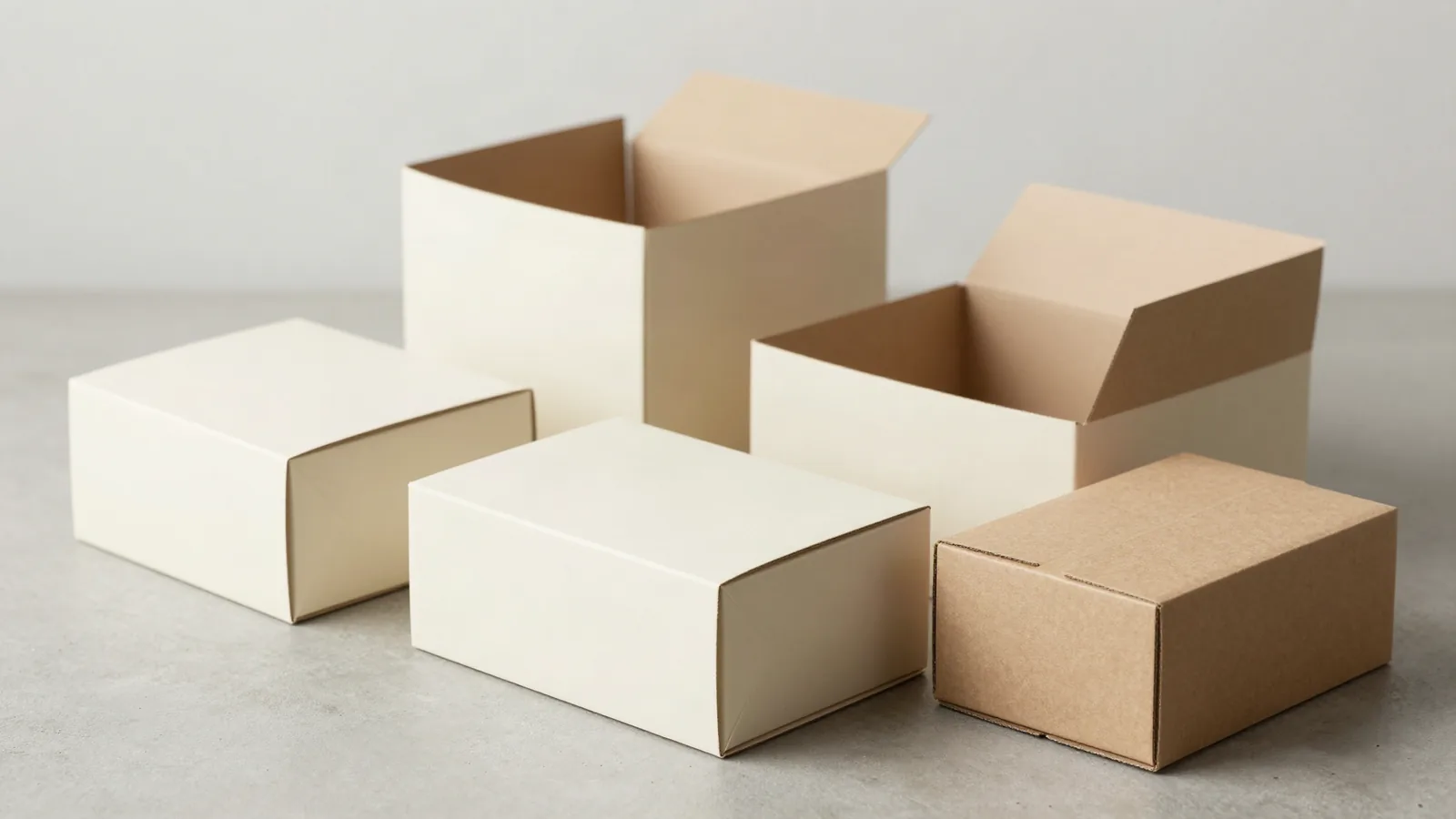
Paperboard sets the fold behavior and printed surface for a folding carton. Typical industry reference ranges include SBS, C1S, or C2S paperboard in the 12 to 24 pt range. Kraft board in the 18 to 24 pt range gives a different surface direction. Straight tuck end, reverse tuck end, auto-lock bottom, crash-lock, sleeve, and pillow structures each create different folds and closures. Select the structure after checking how the product enters, exits, and sits inside the package.
When does a mailer fit the product lane?
Parcel handling and the opening sequence become one specification in a mailer. A roll end tuck top construction is commonly associated with FEFCO 0427. Corrugated packaging can be discussed by flute, with E, B, and C flute references describing different thickness and cushioning conversations. 32 ECT is another common board-strength reference. Match the flute and closure to the packed product, dimensions, void space, storage conditions, and handling path.
What belongs in a rigid box lane?
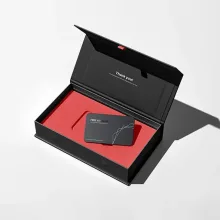
Chipboard walls change the build from a folding carton to a formed rigid package. Rigid packaging commonly uses chipboard from 1.5 to 3 mm wrapped in approximately 100 to 157 gsm art paper. Two-piece rigid, magnetic flap, drawer or slide, and sleeve formats create different opening sequences and presentation surfaces. Plan the outer box and insert as one interior system. The fit, lid clearance, reveal, and removal path belong in the same specification.
How should artwork follow the chosen lane?
Artwork should follow the panel hierarchy created by the structure. Offset CMYK can support detailed paperboard graphics, digital printing can suit a short run or design test, and flexo is common for corrugated work. Matte or gloss lamination changes reflection. Soft-touch changes hand feel. Spot UV, foil stamping, embossing, and debossing should be marked by panel. Keep the primary display panel, information panel, closure area, seam, and clear zones visible on the dieline.
How do I turn a lane into a quote?
Prepare the product type, filled dimensions, package format, quantity, board or laminate direction, artwork status, finish ideas, interior support, and delivery location. State whether the package is for retail display, gifting, parcel delivery, or repeated access. If two formats seem plausible, request a side-by-side quote with the same artwork scope, product, quantity, and destination. That keeps the comparison tied to the format instead of a vague category name.
What should go in a lane brief?
- Name the product and the package job.
- Describe how the package is filled, displayed, opened, stored, or shipped.
- State inside dimensions, outside footprint, structure, board or flute, and interior support.
- Mark artwork status, print method, finish, closure, seam, and clear areas.
- Include quantity, destination, and the physical question the sample must answer.
What ordering terms define the packaging lane?
Custom Packaging Lane quotes the selected format from a 100-unit minimum. Pricing is from $0.49 per unit at volume, quoted to spec. Production is typically 8 to 10 business days after proof approval, plus delivery. Free US shipping and free design support support the request, and the free dieline turns the chosen lane into a structure to approve. The $19.99 sample kit is credited to the first order. Start with custom packaging solutions when the product role is clear.
Frequently Asked Questions
Is lane packaging a specific box style?
Lane packaging is a planning term, not one specific box style. It groups the product role, filling motion, display need, structure, material, artwork, proof, and delivery path. A shoe box, mailer, seed packet, wine box, and textile package can each belong to a different lane because their physical jobs differ.
How is a mailer different from a folding carton?
A mailer combines the outer shipping format with the customer opening sequence, while a folding carton usually centers on the product cavity and retail presentation. Compare closure, packed footprint, corrugated flute, product support, artwork panels, storage, and handling before choosing. A roll end tuck top mailer is commonly associated with FEFCO 0427.
What does ECT mean on corrugated packaging?
ECT is a board-strength reference used with corrugated packaging. E, B, and C flute references describe different corrugated profiles and frame discussions about thickness, stiffness, print surface, and cushioning. A 32 ECT reference can be part of the conversation, but the packed product, dimensions, void space, stacking, and handling still need to be checked.
When does rigid packaging suit a product lane?
Rigid packaging suits a product lane when the package needs formed chipboard walls, a defined reveal, or an opening sequence built around a lid, drawer, slide, magnetic flap, sleeve, or two-piece structure. Rigid packaging commonly uses chipboard from 1.5 to 3 mm wrapped in 100 to 157 gsm art paper. Plan fit and insert clearance with the box.
What should I send for a lane quote?
Send the product, filled dimensions, package role, preferred format, material direction, artwork status, finish notes, interior support, quantity, and delivery location. Explain how the package will be filled, displayed, opened, stored, or shipped. When comparing formats, keep the product, artwork scope, quantity, and destination consistent so the quote answers a real choice.