






















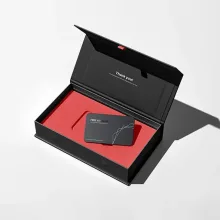
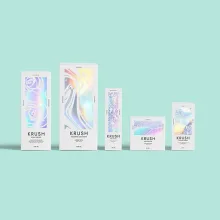
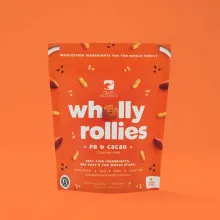
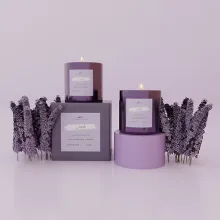



































Pop up display packaging is a printed package built around scored panels, folds, tabs, and a formed retail position. A fold mechanism is the set of scores and locking parts that moves the package from its flat or closed state into that position. The brief should name the packed product, opening sequence, display face, product access, and storage state before artwork is approved.
What is pop up display packaging?
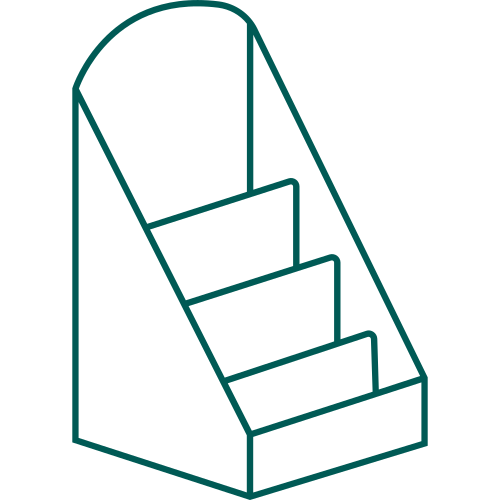
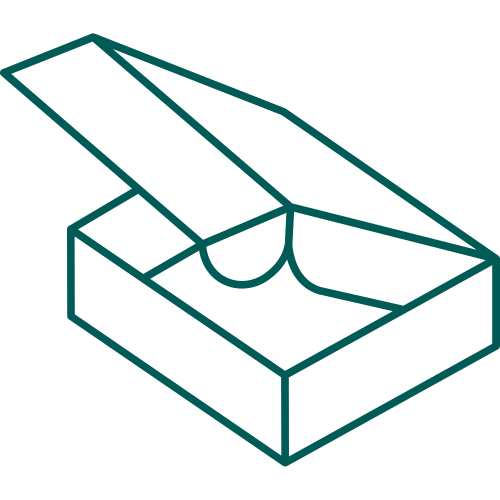
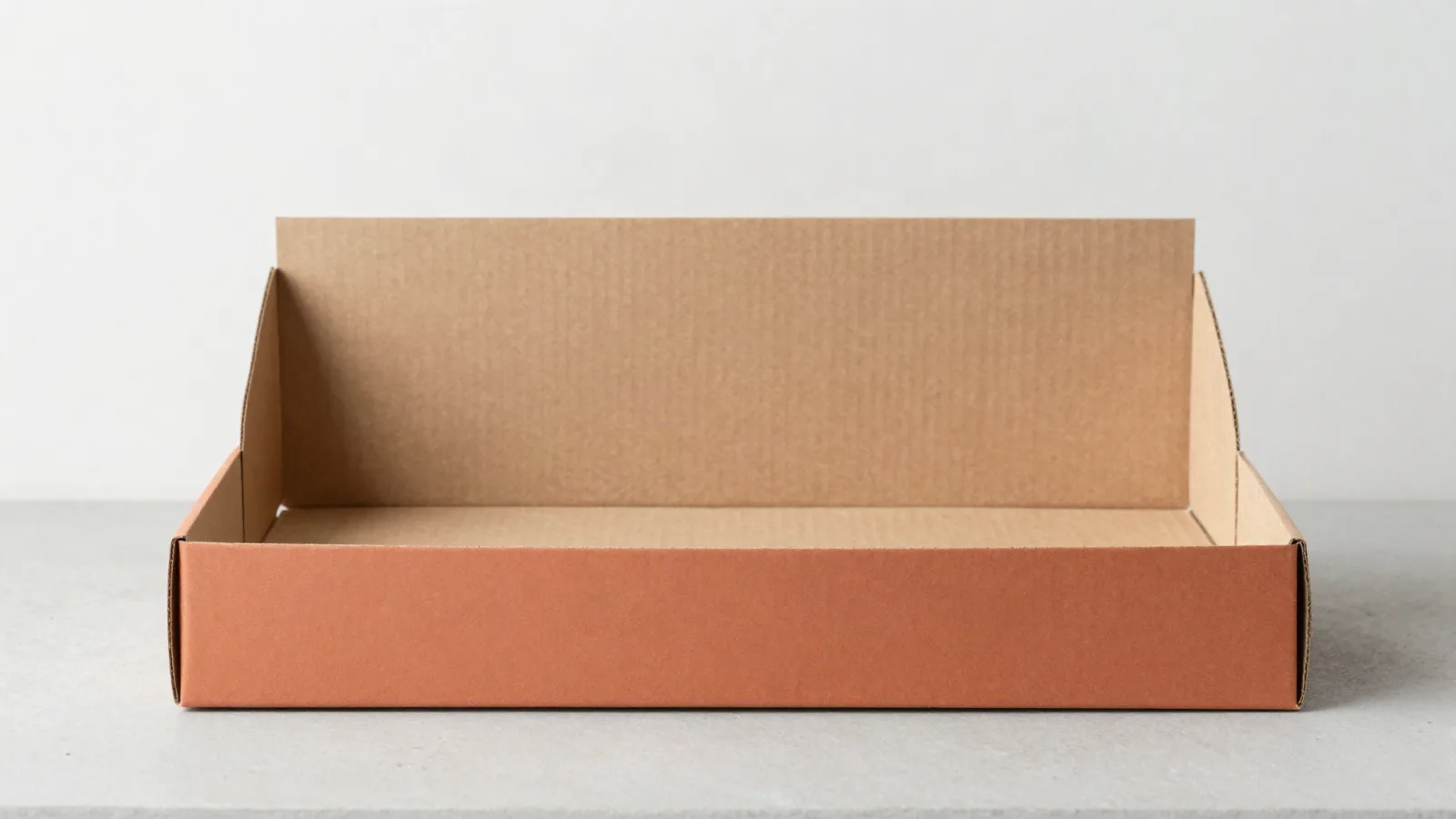
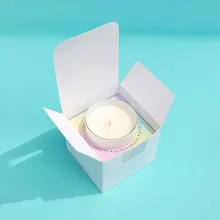
Pop up display packaging is a box or paperboard structure designed to open into a planned retail presentation. The package can have a front panel, header, tray, locking tab, or window, but the proof needs to show how those parts work together. A flat dieline is useful only when the formed view is checked beside it.
How does a fold mechanism affect a pop up retail display box?
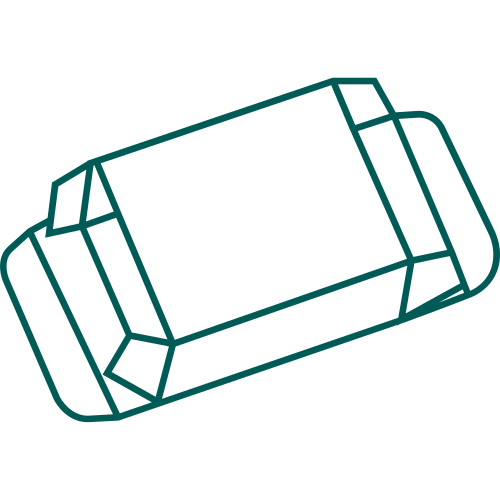
A fold mechanism controls how the pop up retail display box opens, stands, holds product, and presents printed information. A score sets the fold line, a tab can lock a panel, and a header can carry the first message the shopper sees. Each part changes the loading path and the space left for artwork.
| Display decision | What to define | Proof focus |
|---|---|---|
| Fold mechanism | Scores, folds, tabs, locks, and formed position | Open, closed, and assembled views |
| Product facing | Item orientation, visible panels, and cavity | Product fit and retail-facing hierarchy |
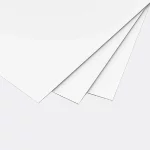
| Board direction | C1S or C2S stock and point range | Fold behavior, print surface, and edge appearance |
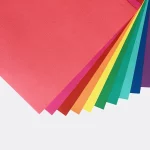
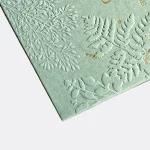
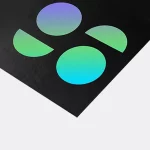
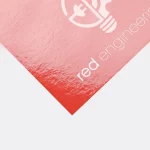
| Finish | Matte, gloss, soft-touch, foil, or spot UV | Surface appearance across folds and front panels |
Ask the proof to show the package stored, opened, and assembled when the display will be collapsed before use. That sequence catches a lock that is hard to reach, a panel that folds backward, or a message that disappears after setup.
Which stock choices are listed for CPL pop up displays?
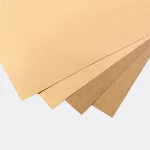
CPL's pop up display listing identifies C1S and C2S stock in a 14pt to 24pt range. C1S means coated on one side, while C2S means coated on both sides. A point is a board thickness unit. The listed range is a catalog direction, so the selected point value still needs to match the fold geometry, product weight, print coverage, and finish.
Ask for the chosen stock and point value in the quote. Review the formed proof, because the same board direction can look different at a fold, edge, or glue tab than it does on a flat artwork file.
What does collapsible display packaging need to show?
Collapsible display packaging needs a clear stored state, formed state, and assembly sequence. Mark where the package is kept before use, how it opens, which tabs lock, where the product enters, and which panel faces the shopper. A compact package is useful only when the fold path suits the people who handle it.
How should artwork be set on custom pop up displays?
Set artwork from the assembled shopper view, then map each panel back to the dieline. Keep type and logos away from scores, cuts, glue tabs, and fold overlaps. Check bleed, trim, color conversion, and ink coverage before approval. Low-resolution art can print soft, and RGB art can shift when it is converted for press.
A digital proof comes before printing. If the display includes a window or insert, show that feature with the product in place. If the structure needs a child-resistant feature, name the feature in the brief for structural review. If the package may touch food, ask us about food-contact options for the selected construction.
Which CPL products can guide a custom pop up display brief?
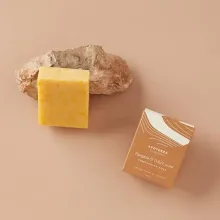
The pop up display boxes page is the direct reference for the fold-based format. Compare window display boxes when product visibility drives the front panel. wax packaging and towel packaging can frame product-facing artwork questions, while shoe box packaging gives a larger product envelope reference.
What are the terms for pop up display packaging?
Custom pop up display packaging projects use a 100-unit MOQ. Pricing may be from $0.49 per unit at volume, quoted to spec. Production is typically 8 to 10 business days after proof approval, plus delivery. Free US shipping and free design support are available.
The $19.99 sample kit can be credited toward the first order and can help compare stock, fold, and finish direction. Use CPL's custom packaging solutions resource when the request includes more than one display format.
Frequently Asked Questions
What does a pop up retail display box do?
A pop up retail display box uses scored panels, folds, tabs, or locks to move from a flat or closed state into a formed retail presentation. The final proof should show the assembled display, product position, shopper-facing panel, loading path, and any header or tray. Those details define how the package works in use.
What does collapsible display packaging mean?
Collapsible display packaging is a format that stays in a more compact stored state before it is opened and formed for presentation. The brief should show the stored state, assembly steps, fold path, locking points, product loading direction, and shopper-facing position. A compact format still needs a clear formed display.
What stock is listed for CPL pop up display packaging?
CPL's pop up display listing identifies C1S and C2S stock in a 14pt to 24pt range. C1S is coated on one side, and C2S is coated on both sides. The selected point value should be checked against the fold geometry, product weight, print coverage, finish, and formed position before proof approval.
Can custom pop up displays include windows or inserts?
Custom pop up displays can be planned with a window or insert when the feature fits the structure and product position. A window changes the visible artwork area, while an insert changes the loading path and interior clearance. Show the feature with the display assembled and the product in place before approving the proof.
What are the MOQ, price, and production terms?
Custom pop up display packaging projects use a 100-unit MOQ. Pricing may be from $0.49 per unit at volume, quoted to spec. Production is typically 8 to 10 business days after proof approval, plus delivery. Free US shipping and free design support are available, and the $19.99 sample kit can be credited toward the first order.