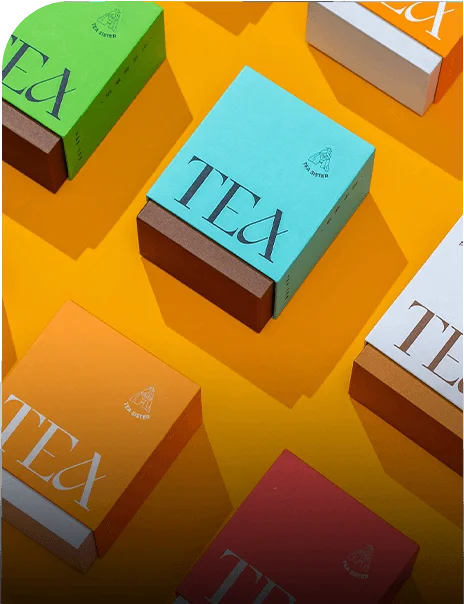









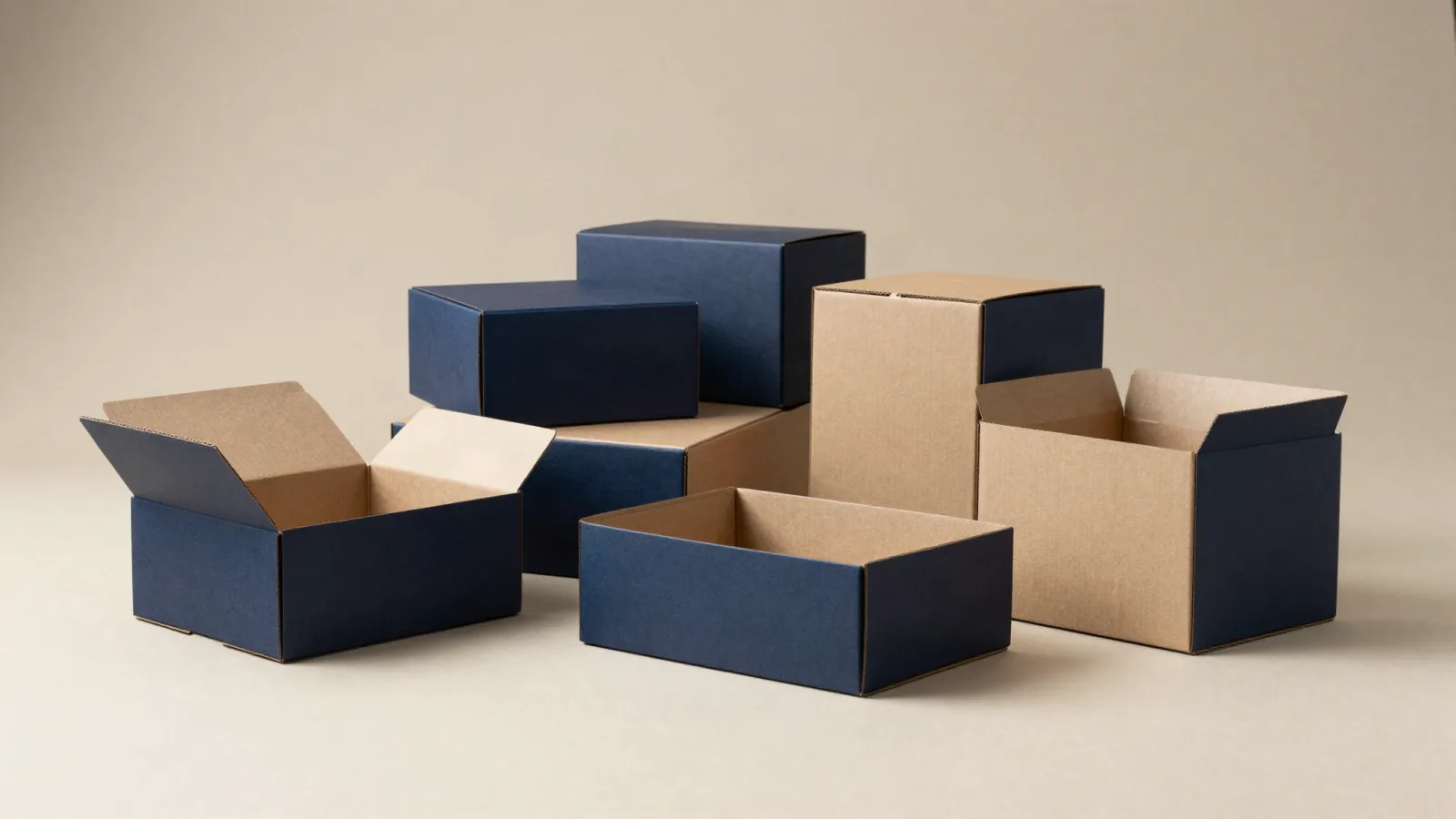





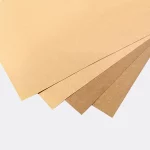

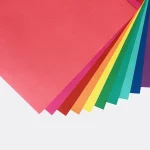

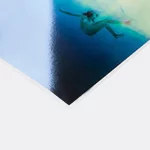
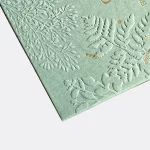
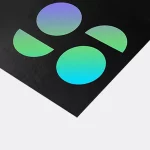
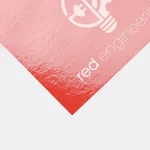


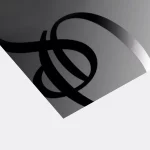




















QR packaging is a box, label, or pouch with a printed QR code that a customer scans with a phone. A clear zone is the open area around the square pattern. The code needs enough contrast to separate its dark and light modules from the surrounding artwork. Matte, gloss, and foil change the surface around that pattern, so finish belongs in the artwork decision before the proof is approved.
How should finish and a QR code be planned together?
Plan the finish and QR code as one proof decision. Keep the pattern on a high-contrast printed area, then give it a clear zone that is free from dense illustrations, type, and reflective effects. A digital mockup can look calm while a finished package catches room light at a different angle.
| Finish | Surface behavior | Artwork choice |
|---|---|---|
| Matte | Diffuse surface with less reflected light | Keep contrast strong and nearby texture light |
| Gloss | Reflected light changes with viewing angle | Place the code away from bright highlights and busy graphics |
| Foil | Metallic reflection can change the background appearance | Reserve a printed non-foil area for the code when possible |
Does matte work for QR packaging?
Matte can make a QR code easier to inspect because it diffuses light instead of creating a sharp reflection across the panel. It does not fix weak contrast, a dark background, or artwork that crowds the pattern. Keep the code simple, leave space around it, and check the assembled package rather than the loose artwork file.
A short instruction beside the code can sit comfortably on a matte panel. Scan for product help is clearer than leaving the square pattern to explain itself. Keep the product name and the printed invitation readable without the scan.
Can a QR code sit on gloss packaging?
Gloss can work when the code sits on a controlled area with strong contrast. The surface reflects light as the package moves, so a bright window, phone light, or overhead fixture can cross the pattern at the wrong angle. Keep strong highlights and dense print away from the code and its clear zone.
Check gloss on the finished panel orientation. A flat sheet does not show how a folded box catches light. The proof should identify the gloss treatment and show the code against the background that will actually surround it.
Should foil go behind a printed QR code?
Keep foil outside the QR code area when the design allows. A metallic field can reflect light and change the visual separation between the code and its background. Foil still works well as a logo, border, or separate panel accent when the code stays on a calm printed surface.
If foil must sit close to the code, show its exact boundary in the proof. Do not add foil after the code layout is finished. The scan area and the decorative area need a clear division.
When does a QR code need a clear zone?
A QR code needs a clear zone when nearby copy, texture, illustration, foil, or coating makes the square pattern harder to distinguish. The clear zone does not have to look empty. A plain color block, a simple panel, or deliberate spacing can make it part of the package design.
Keep the clear zone intact after folding and sealing. A score, perforation, label, or tape strip that enters the area can change the result even when the original file looks correct.
Where can a QR code sit on custom packaging?
Use a stable, visible panel that remains intact after folding, filling, and sealing. Wine box packaging can place a code beside product information on a presentation panel. Private label packaging can use the code for product education while keeping the brand name prominent. Perforated packaging needs extra care because the opening line should not cut through the scan area.
Keep the code away from seams, edges, closures, and places where a label may cover it. The person holding the assembled package should be able to find the code without turning the box over several times.
What should the digital proof settle?
The digital proof should settle the code background, finish location, clear zone, panel position, and printed instruction before anything prints. A dieline is the flat cutting template that shows panels, scores, cuts, and glue areas. Use it to confirm that the QR code stays on one stable panel.
Low-resolution art can soften the square modules. RGB artwork can shift when it is converted for press. Type set too close to a score can land on a fold, and artwork that stops at the cut line can leave an unwanted edge. Fix those problems in the proof, when the file is still editable.
What are the terms for custom QR packaging?
Custom QR packaging uses an MOQ of 100 units. Pricing is from $0.49 per unit at volume, quoted to spec. Production is typically 8 to 10 business days after proof approval, plus delivery. Free US shipping and free design support are available. The $19.99 sample kit is credited toward the first order. For larger package programs, see wholesale custom packaging.
Frequently Asked Questions
Can a matte finish work for a QR code on packaging?
A matte finish can work for a QR code on packaging when the pattern has strong contrast, a clear zone, and a clean printed background. Matte usually diffuses reflected light, but it does not correct dark artwork, dense texture, or type placed too close to the code. Check the assembled package before proof approval.
What makes gloss packaging harder for a QR code?
Gloss packaging can reflect room light across the QR pattern as the box moves. Bright highlights and busy artwork can reduce the visual separation between the code and its background. A calm panel, strong contrast, and a clear zone give the code more space from the reflective treatment.
Can foil sit behind a printed QR code?
Foil can sit near a printed QR code, but a non-foil area is the safer artwork choice for the code itself. Metallic reflection can change the background appearance at different angles. Show the exact foil boundary in the proof and keep the scan area separate from the reflective accent.
What is a clear zone around a QR code?
A clear zone around a QR code is the open area that separates the square pattern from nearby copy, texture, illustrations, and finish effects. It can be a plain color block or deliberate spacing. The zone should remain clear after the package is folded, sealed, labeled, and handled.
How much does custom QR packaging cost and how long does it take?
Custom QR packaging uses an MOQ of 100 units. Pricing is from $0.49 per unit at volume, quoted to spec. Production is typically 8 to 10 business days after proof approval, plus delivery. Free US shipping and free design support are available, and the sample kit is $19.99.