









































































What should a retail display box do on shelf?
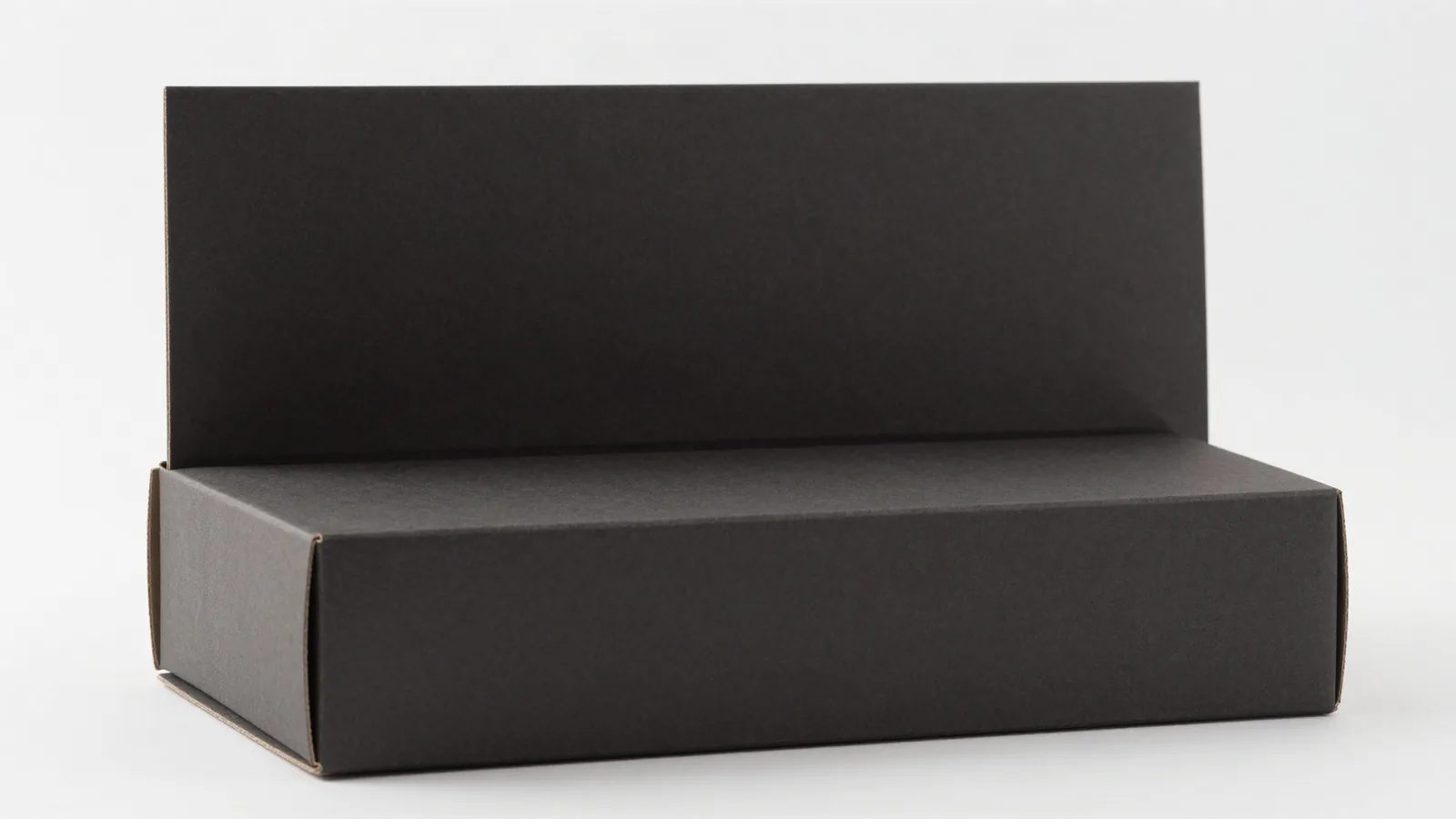
A retail display box needs a clear shelf-facing panel, a stable footprint, and an opening that matches how shoppers or store staff handle the product. Start with product orientation, units per display, replenishment method, shelf depth, and whether the box is the primary carton or an outer display. The structure should be drawn around the product and shelf position, not chosen from a name alone.
Compare retail display boxes with window display boxes when visibility changes the brief. Shoe box packaging can help compare an enclosed format, while wine box packaging and show other presentation-led directions. They are catalog references. The actual product, display footprint, access point, and replenishment motion still decide the package.
Which structures are common for retail display packaging?
Folding cartons commonly use straight tuck end, reverse tuck end, auto-lock bottom, or crash-lock construction. A sleeve wraps a tray or inner carton when the product reveal needs to stay visible. Window patching adds a clear viewing area, while a cutout or open-front design lets the shopper see more of the product. The choice changes how the box folds, holds the product, and returns to the shelf.
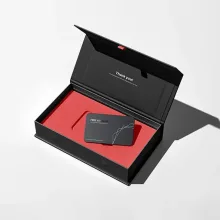
A mailer combines shipping and presentation, but its lid and side walls open differently from a folding carton. Roll end tuck top mailers are commonly identified with the FEFCO 0427 reference. Two-piece rigid, magnetic flap, and drawer or slide structures hold more shape and change the opening sequence. Use a rigid format when the opening and shelf feel justify the added material and handling steps, not because the structure sounds more substantial.
How do board and material choices affect display performance?
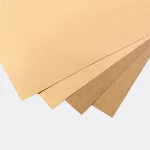
SBS, C1S, and C2S paperboard commonly fall in the 12 to 24 pt range. Kraft board is commonly around 18 to 24 pt, and the brown fiber color affects ink appearance. Rigid display boxes may use 1.5 to 3 mm chipboard wrapped in 100 to 157 gsm art paper. Corrugated displays may use E, B, or C flute, with 32 ECT as a common strength reference. Board thickness affects span, scoring, product clearance, stacking, and the weight carried by the shelf.
| Display direction | Typical industry reference | Merchandising check |
|---|---|---|
| Folding carton | Paperboard, 12 to 24 pt, tuck or lock base | Flat-pack efficiency, shelf face, and opening |
| Windowed display | PET window film, 0.2 to 0.3 mm | Visibility, patching, and product retention |
| Rigid presentation | Chipboard, 1.5 to 3 mm, with 100 to 157 gsm wrap | Opening motion and shelf stability |
| Corrugated display | E, B, or C flute, 32 ECT reference | Span, stacking, transport, and replenishment |
PET window film is commonly around 0.2 to 0.3 mm. Leave enough patching area around the window, keep the product from blocking the intended view, and check whether dust exposure or replenishment changes the opening. If the contents may touch food, ask us about food-contact options for your product.
How should display graphics guide a shopper?
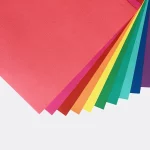
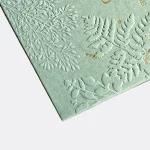
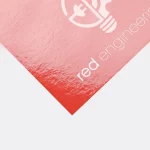
Offset CMYK is common for detailed paperboard graphics. Digital printing can suit a short run or changing artwork, and flexo is common for corrugated graphics. Put the product name, variant, instructions, and opening cue where the shelf-facing panel can carry them at the assembled angle. Matte lamination reduces glare compared with gloss, while soft-touch changes the feel. Spot UV, foil stamping, embossing, and debossing can mark a small focal area, but they do not repair a crowded layout.
Mark the display edge, folds, seams, glue zones, window boundary, insert obstruction, and label area on the artwork. RGB art can shift when converted for press, and missing bleed can expose an unprinted edge after cutting. Review the proof in the intended shelf orientation. A flat file can look balanced while the assembled box hides the product name behind a fold or insert.
What information belongs in a display-box quote?
The quote needs enough detail to test fit, shelf position, access, and replenishment. Provide product dimensions, filled weight, units per display, shelf orientation, display footprint, opening method, structure preference, window or cutout needs, artwork, finish, quantity, and destination. State inside or outside measurements. Length x width x depth is the common packaging order, and about 1/16 inch, or 1.5 mm, is a common tolerance reference for planning the box fit.
For broader structure planning, the custom packaging design hub keeps the dieline, artwork, and display motion in one brief. CPL quotes from a 100-unit minimum, with pricing from $0.49 per unit at volume, quoted to spec. Production is typically 8 to 10 business days after proof approval, plus delivery. Free US shipping, free design support, and a free dieline are available, and the $19.99 sample kit is credited toward the first order.
Frequently Asked Questions
What is retail display box packaging?
Retail display box packaging presents a product where shelf visibility, access, and replenishment shape the structure. It can be a folding carton, sleeve, windowed box, tray-based display, corrugated display, or rigid presentation box. The right format follows product dimensions, units per display, shelf orientation, shopper access, restocking method, footprint, and the protection needed during transport.
Which display box structure should I choose?
Choose a tuck or lock carton when flat packing and a clear shelf face matter, a sleeve when an inner tray or carton should remain visible, and a window when the product needs to be seen. Mailers combine delivery and presentation, while rigid or drawer formats change the opening motion. Compare access, stability, replenishment, protection, footprint, and panel visibility.
What materials are common for retail display boxes?
Retail display boxes commonly use SBS, C1S, or C2S paperboard in the 12 to 24 pt range, kraft board around 18 to 24 pt, rigid chipboard from 1.5 to 3 mm with 100 to 157 gsm art paper, or corrugated E, B, or C flute. 32 ECT is a common corrugated strength reference. The product and shelf span decide the fit.
Can display boxes use windows and special finishes?
Display boxes can use PET window film, commonly about 0.2 to 0.3 mm, plus matte or gloss lamination, soft-touch, spot UV, foil stamping, embossing, or debossing. Confirm window placement, patching area, artwork clearance, shelf-facing panel, product retention, and assembled visibility before approving the proof.
How should I prepare a retail display packaging brief?
A retail display packaging brief should include product dimensions, filled weight, units per display, shelf orientation, display footprint, opening method, material, window or cutout, artwork, finish, quantity, and destination. State inside or outside measurements and mark the shelf-facing panel. Review the assembled sample for stability, visibility, print contrast, board feel, and product access.