























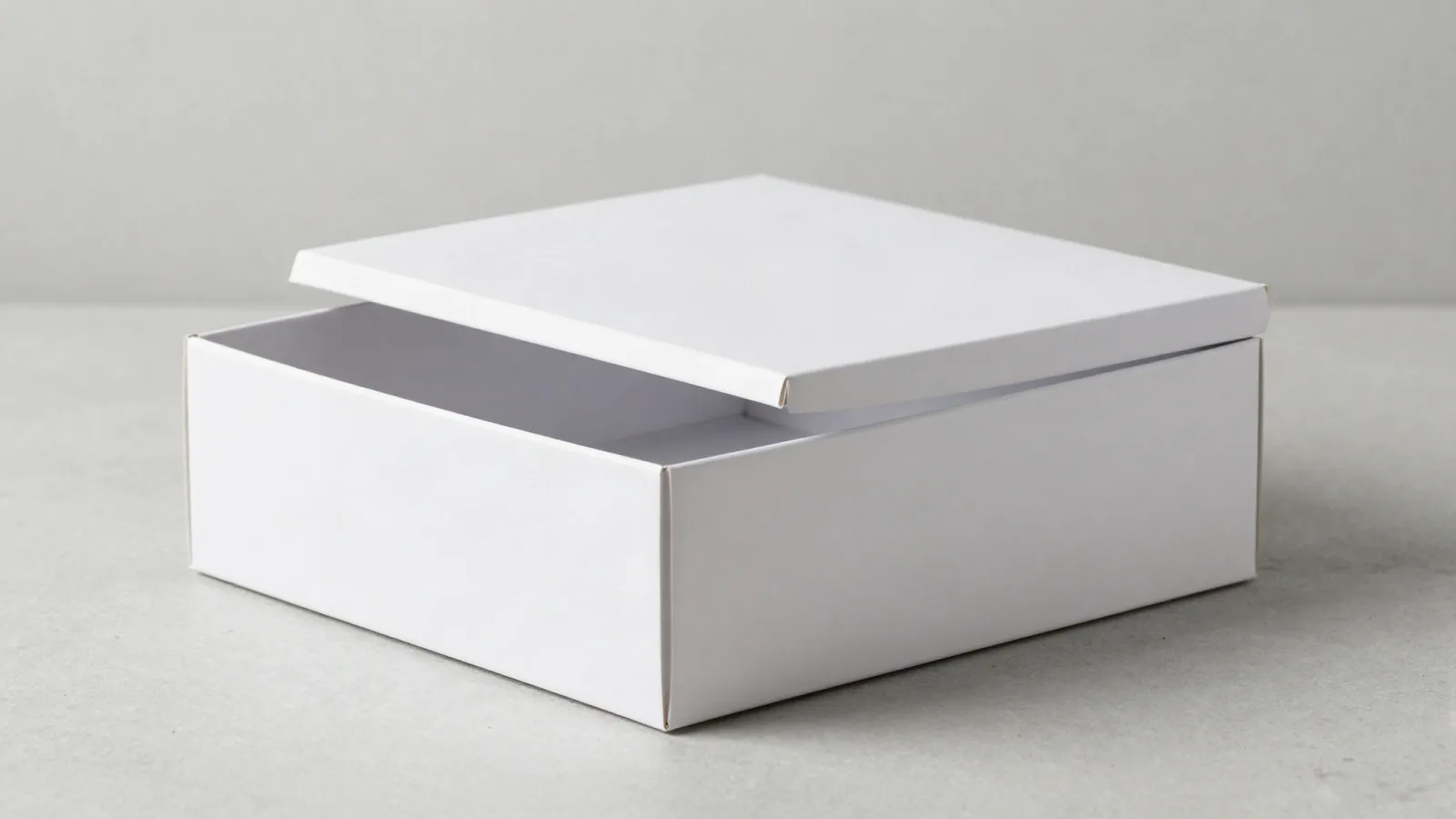
















































Rigid box sizes are planning classes, not universal finished dimensions. A rigid box is a chipboard structure wrapped in printed paper. Chipboard is a dense paperboard used for the box structure, and the wrap is the printed paper applied over it. The walls, tray, sleeve, or lid then reduce the interior space available to the product. Measure the packed product first.
How do standard rigid box sizes work?
Standard rigid box sizes work as starting categories for compact items, footwear, tall products, layered presentations, and closure-led gift formats. The product, protective wrap, insert, lid clearance, and opening direction set the final interior length, width, and height.
For a straightforward presentation format, compare rigid printed boxes. If a cover and inner tray are separate parts, compare rigid boxes with sleeve and tray. The catalog format narrows the choice, but the approved packout sets the actual dimensions.
Which rigid box size class fits your product?
The size class should follow the product profile and the way the buyer opens the package. Use this chart as a public planning comparison, then confirm the actual cavity, insert clearance, and removal path.
| Public size class | Typical planning use | CPL format reference | Check before quoting |
|---|---|---|---|
| Compact presentation | Small retail items or individual accessories | Rigid printed box | Interior clearance and insert need |
| Footwear presentation | Shoes or broad, low-profile products | Shoe box packaging | Pair orientation, lid clearance, and tissue space |
| Tall product presentation | Bottles or products needing vertical support | Wine box packaging | Product height, neck clearance, and support |
| Layered presentation | Product arranged in a tray under a cover | Rigid box with sleeve and tray | Tray depth, sleeve fit, and removal path |
| Closure-led presentation | Giftable products with a defined opening | Rigid box with magnetic closure | Closure placement and artwork area |
What should you measure before choosing a rigid box?
Measure the complete packed product, not the bare item. Include the primary container, cap, label, protective wrap, insert, and accessories that stay inside the finished package. Then state whether the product sits flat, stands upright, or rests in a shaped cavity.
- Record the product orientation and direction of removal.
- Separate outside appearance from inside fit.
- Identify a tray, divider, foam insert, or open interior.
- Note the lid, sleeve, or magnetic closure.
- Keep the insert depth separate from the box depth.
For candle packaging, compare custom rigid candle boxes. For a gift-oriented structure, compare custom rigid set-up boxes. A shoe, candle, bottle, and presentation set can all need different interior proportions even when their public size class sounds similar.
How do inserts and closures change the usable space?
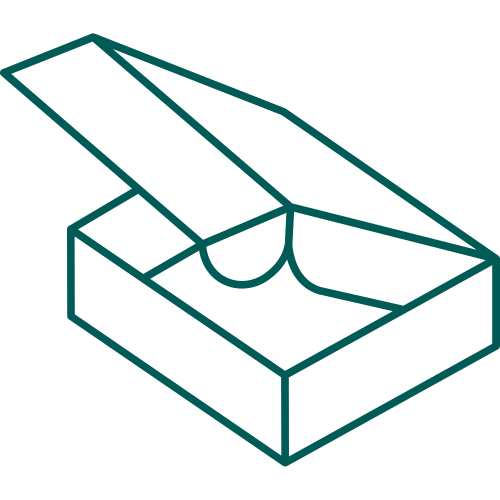
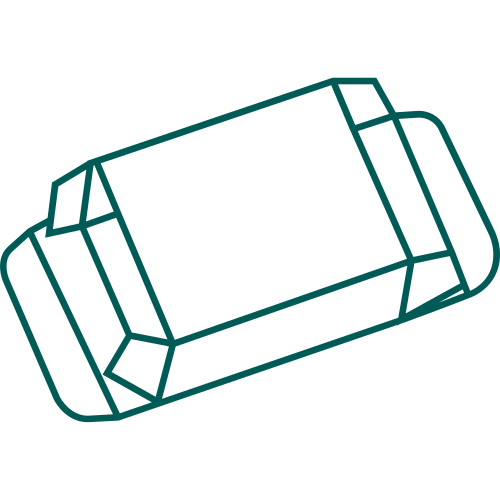
An insert takes space from the interior, but it can also prevent movement and define the removal path. A tray adds a second structural layer. A sleeve adds clearance around the box. A magnetic closure needs the cover and base to meet cleanly, with enough artwork area around the opening. A dieline is the flat cutting template that shows panels, scores, folds, and glue areas, so it must include these parts.
Finish choices also belong after the structure is known. Matte and gloss change the surface appearance. Foil, embossing, debossing, and spot UV add defined artwork areas that must avoid scores, seams, and closure edges.
What are the ordering terms for custom rigid boxes?
CPL uses a 100-unit minimum order quantity. Pricing is from $0.49 per unit at volume, quoted to spec. Production is typically 8 to 10 business days after proof approval, plus delivery. Free US shipping and free design support are available.
The $19.99 sample kit can help compare rigid structures, surface direction, and closure feel before proof approval. Use custom packaging solutions to organize the product dimensions, packout, format, and artwork request.
Frequently Asked Questions
What is the minimum order quantity for custom rigid boxes?
Custom rigid box projects at CPL use a 100-unit minimum order quantity. The quantity should be submitted with the selected format, product dimensions, insert requirements, closure style, finish direction, and artwork status. Those details give the quote a defined structure instead of a generic size class.
Are rigid box sizes universal for every product?
Rigid box sizes are not universal across shoes, candles, bottles, accessories, and presentation sets. A public class helps start the discussion, but the packed product, wall structure, insert, lid clearance, and opening direction determine the final interior dimensions.
How does CPL price custom rigid boxes?
CPL pricing is from $0.49 per unit at volume, quoted to spec. The selected rigid format, dimensions, insert, sleeve or tray, closure, finish, artwork, and quantity define the quote. CPL does not present one flat price for every rigid box structure.
How long does custom rigid box production take?
Custom rigid box production is typically 8 to 10 business days after proof approval, plus delivery. The timing is a planning reference, not a guarantee. The proof should cover the structure, dimensions, artwork, finish, insert, and closure before the production clock begins.
Can CPL help choose a rigid box size and format?
CPL provides free design support for organizing product dimensions, packout, opening direction, closure, and artwork. A $19.99 sample kit can help compare rigid structures, surface direction, and closure feel before proof approval. The final format should be checked against the packed product and interior clearance.