




























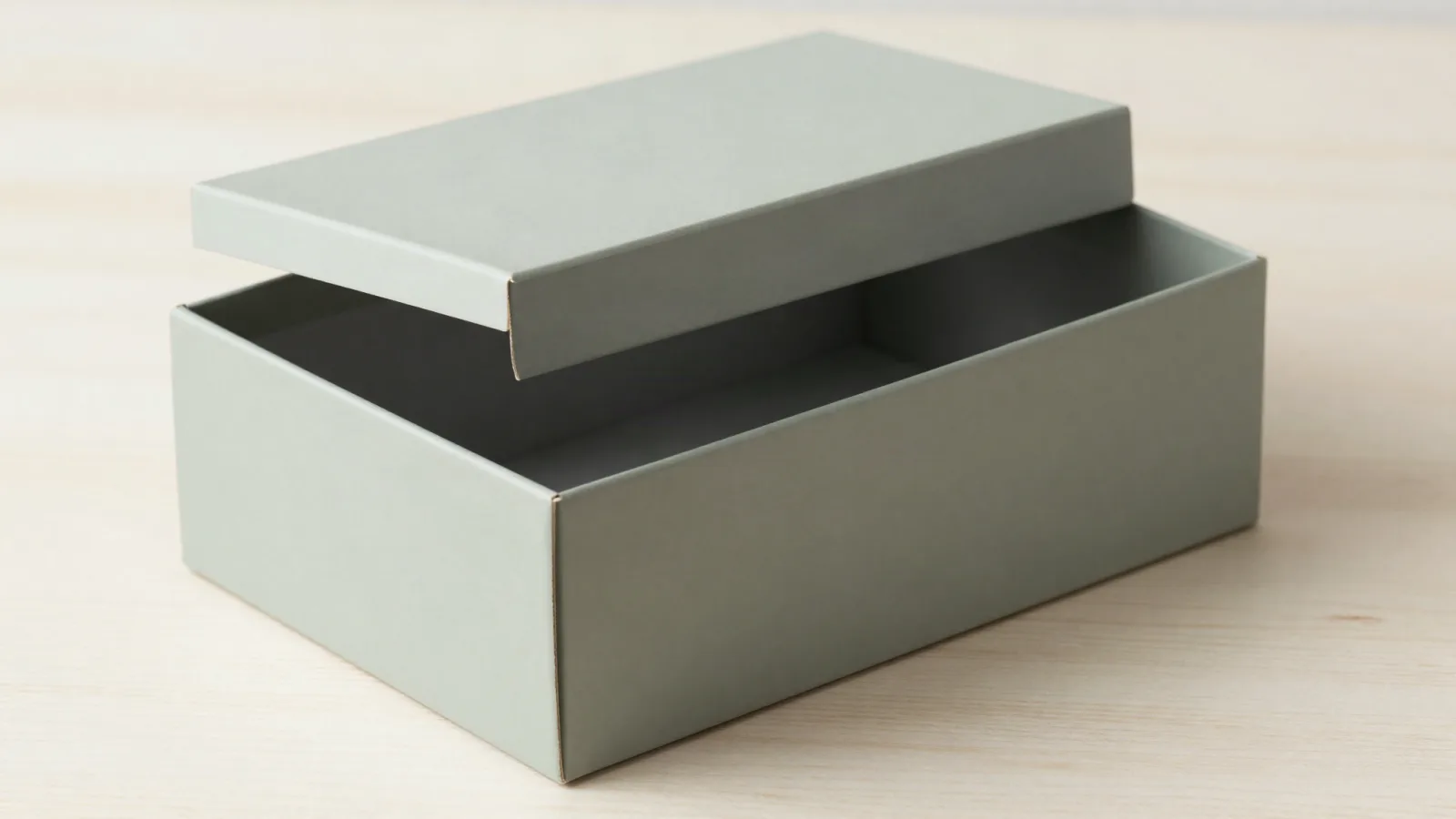




















































A ring box is a small presentation box with an insert that holds a ring in a planned position while the lid opens. An insert is the interior piece that holds the ring in place. The box has to fit the ring, leave room for fingers, and keep the artwork aligned with the reveal. Start with the packed ring and insert, not a generic ring-box size.
Custom Packaging Lane's custom ring boxes path is the direct reference for a jewelry-specific structure. Share the ring profile, setting height, band shape, opening direction, and any card or tissue in the initial brief.
What size should a ring box be?
A ring box should be sized from the ring profile, setting height, band shape, insert cavity, and lid clearance. Measure the packed ring in the position it will occupy, then check finger access. A box that is too loose lets the ring move. A cavity cut exactly to the product can hold it firmly but leave no room to remove it.
| Ring-box brief | What it changes | Proof check |
|---|---|---|
| Single ring | One cavity and one focused reveal | Test ring position and lid clearance |
| Tall setting | Interior height and lid fit | Close the lid without touching the setting |
| Wide band | Channel width and insert hold | Check the band sits without movement |
| Retail jewelry line | Repeatable insert logic across designs | Check related ring sizes in the same structure |
| Gift presentation | Room for a card, tissue, or outer package | Check the opening and pack-out sequence |
Which insert fits a custom ring box?
A ring insert should hold the ring in a defined position while leaving enough finger access to remove it. Foam compresses around the product, while paperboard and cardboard create a printed support direction. The right material depends on the ring profile, cavity shape, box construction, and presentation style.
Compare custom foam box inserts when the brief calls for a cushioned product bed. Ask for the insert shape, material, finish, and attachment method to appear in the proof. The cavity should hold the ring without rattling, but the customer should not have to fight the insert to lift it out.
Which materials and finishes suit a ring box?
Paperboard and cardboard support printed panels, while rigid stock holds a more defined shape. Matte lamination reduces glare, gloss lamination adds reflection, and soft-touch changes the hand feel. Foil adds a reflective mark. Embossing raises a design, while debossing presses it into the surface.
Choose the finish after the structure and artwork hierarchy are clear. A foil mark needs clean placement on a stable panel. A logo near a score can break when the box folds. Low-resolution art stays soft in print, RGB artwork can shift during press conversion, and missing bleed can leave an unprinted edge. Check those details on the digital proof.
How can jewelry brands compare nearby package formats?
Compare nearby formats only after the ring box brief is clear. Shoe box packaging can help a team think through printed presentation surfaces and product fit at a larger scale. An embossed tin is a metal-container direction for a separate product line, but it does not replace a ring-specific insert. Keep the ring box as the center of the quote.
What belongs in a ring box quote and proof?
A ring box quote should list the packed ring dimensions, insert, opening, lid clearance, artwork, finish, quantity, and delivery details.
- Ring profile, setting height, band shape, and packed orientation.
- Finished inside dimensions, cavity shape, and finger access.
- Box structure, opening direction, lid clearance, and closure.
- Insert material, attachment method, and product position.
- Artwork panels, logo treatment, color direction, and finish.
- Quantity, delivery destination, and any outer shipping package.
Free design support can organize the ring measurements and artwork into a dieline and digital proof. The proof should show the assembled box, insert, lid fit, logo placement, and opening direction before production.
What do custom ring boxes cost and how long do they take?
Custom ring box projects use an MOQ of 100 units. Pricing is from $0.49 per unit at volume, quoted to spec. Production is typically 8 to 10 business days after proof approval, plus delivery. Free US shipping and free design support are available. The $19.99 sample kit can help compare materials and insert directions before approval. Use custom packaging design support to organize the final artwork conversation.
Send the ring dimensions, insert direction, box opening, artwork, finish, quantity, and destination with the request. The approved proof sets the production reference.
Frequently Asked Questions
What measurements should I send for a ring box?
Send the ring profile, setting height, band shape, packed orientation, insert cavity, and lid clearance for a ring box. Include any card, tissue, or outer package that will be packed with the ring. The assembled proof should confirm product position, finger access, and lid fit before production.
Can a ring box include a custom insert?
A custom ring box can include an insert shaped around the ring and its presentation position. The brief should name the insert material, cavity, attachment method, and finger access. Cardboard, paperboard, and foam directions can be discussed with the selected box structure and checked in the proof.
Which finish works for a jewelry ring box?
Matte, gloss, soft-touch, foil, embossing, and debossing create different surface effects for a jewelry ring box. Choose the finish after the structure and artwork are set. The proof should show how the logo, color fields, insert, lid, and opening direction work together.
Can ring boxes be used for engagement or wedding jewelry?
Ring boxes can be planned for engagement, wedding, retail, gifting, or direct delivery contexts. State whether the package needs a message panel, a specific interior color, a coordinated insert, or an outer shipping package. Those details belong in the ring box brief and proof.
What is the minimum run for a custom ring box?
The minimum run for a custom ring box is 100 units. Pricing is from $0.49 per unit at volume, quoted to spec. Production is typically 8 to 10 business days after proof approval, plus delivery. Free design support, free US shipping, and a $19.99 sample kit are available.












