

































































An online packaging listing should answer the buyer's practical questions before a quote request: what holds the item, how it opens, what it is made from, what artwork covers, how size is measured, and which details need approval. A dieline is the flat cutting template used to print and cut the package. Show the path from product dimensions to dieline, digital proof, production, and delivery. The custom tin packaging page can reference a durable container, custom taper candle packaging an elongated product, and custom stevia packaging a compact retail format. Also compare custom screw packaging and custom scissor packaging for shaped products.
What should an online packaging listing explain?
Buyers need structure, material, dimensions, artwork scope, quantity basis, proofing, and delivery language on the page itself. A sleeve, mailer, drawer, rigid box, tuck end, or magnetic flap tells them how the package opens and holds the item. A listing should separate fixed information from project-specific fields, because an insert, board caliper, print coverage, or finish can change the quote.
| Listing field | Buyer question | Useful packaging detail |
|---|---|---|
| Structure | How does it open and hold the item? | Sleeve, mailer, drawer, rigid, tuck end, or magnetic flap |
| Material | What is the package made from? | Board range, rigid wrap, tin, or flexible laminate |
| Decoration | How will artwork appear? | Offset CMYK, digital, flexo, lamination, foil, or UV |
| Fit | Will the product sit securely? | Inside length x width x depth, insert, clearance, and tolerance |
| Order path | What happens after artwork approval? | Quantity, proof, production stage, and delivery stage |
Which materials and finishes should I offer?
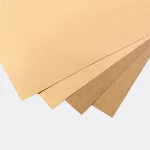
Printed cartons commonly use SBS, C1S, or C2S paperboard in the 12 to 24 pt range. Kraft board in the 18 to 24 pt range gives a different printed surface. Rigid formats commonly use 1.5 to 3 mm chipboard wrapped in 100 to 157 gsm art paper. Mylar or foil laminates can combine PET, AL, and PE layers for flexible packaging where those layers fit the product and package structure.
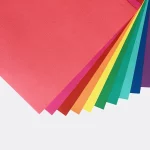
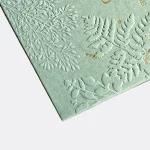
Offset CMYK suits detailed print, digital printing can suit short runs, and flexo is common for corrugated packaging. RGB art can shift when converted for press, so the digital proof should show the intended color mode, bleed, scores, glue areas, and print coverage. Matte or gloss lamination changes the surface, soft-touch changes the feel, spot UV creates a selected glossy area, and foil stamping, embossing, debossing, and window patching add other surface or construction effects.
How should I show size and shipping information?
Use length x width x depth and label every figure as an inside or outside measurement. About 1/16 inch, or 1.5 mm, is a common tolerance reference for box dimensions. Stand-up pouches commonly fall in a 3 to 7.5 inch width range. The buyer's item still sets the final fit, so the page should request packed orientation and a physical sample or approved dieline when those details matter.
Production and delivery are separate stages. US ground carriers commonly discuss dimensional weight as L x W x H divided by 139 using outside packed dimensions. Master-carton size, empty space, and delivery zone affect that calculation, so a listing should collect destination and shipping assumptions instead of hiding them behind a single delivery promise.
How should product photos support the listing?
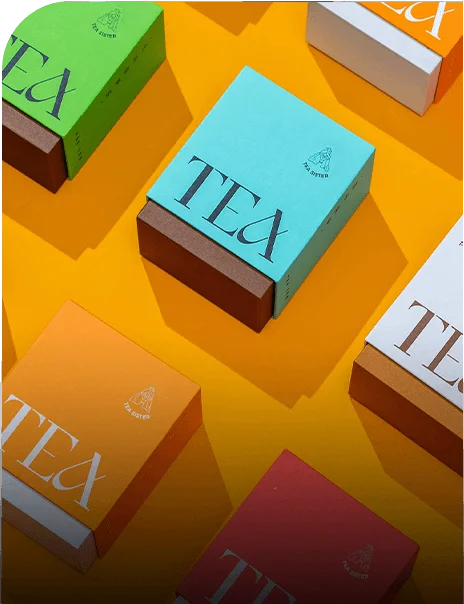
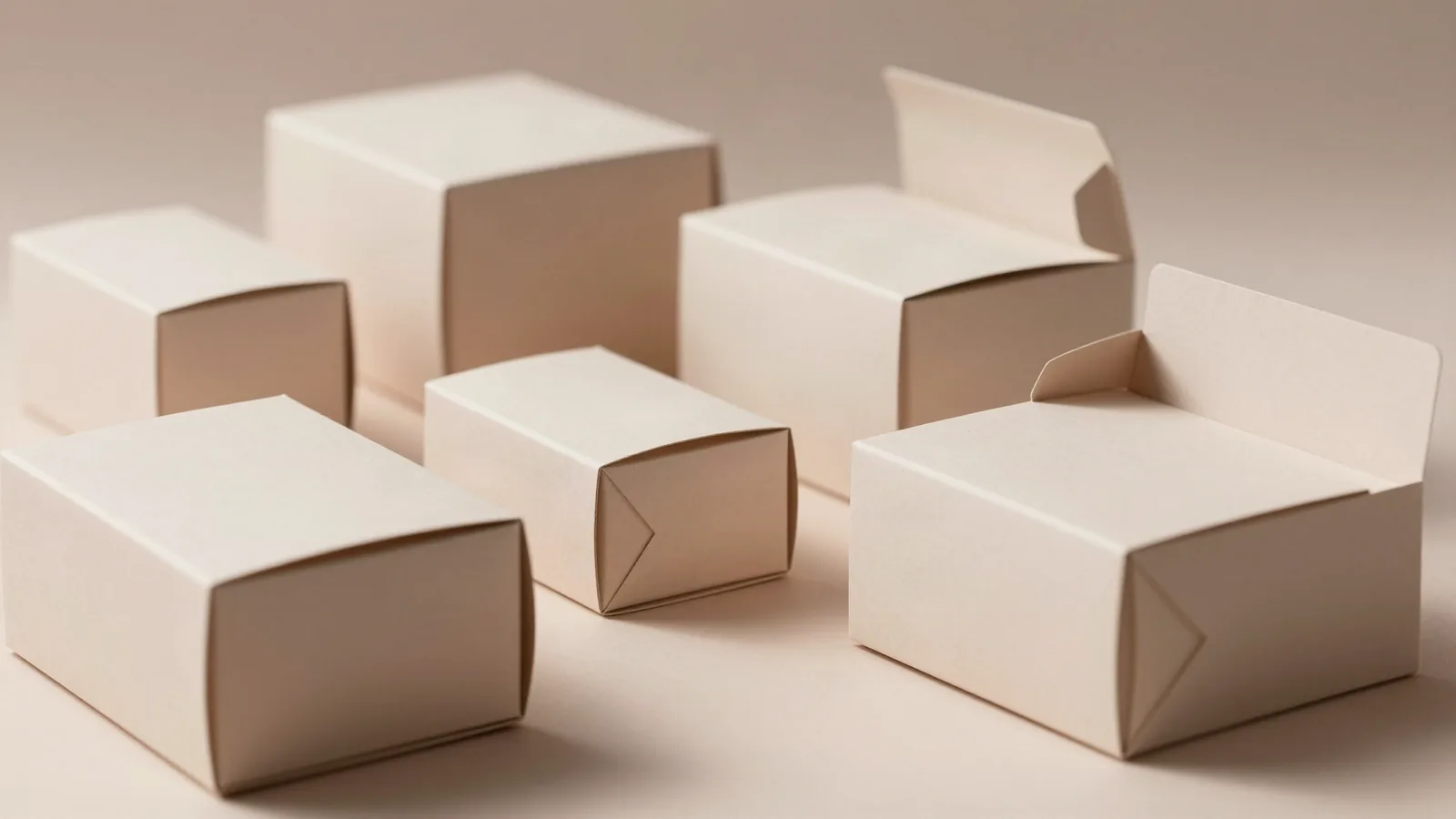
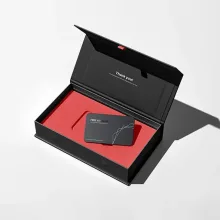
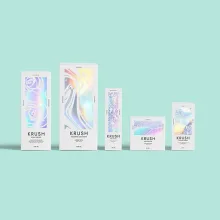
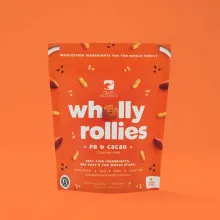
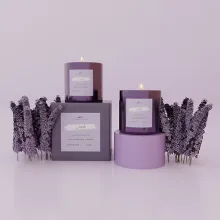
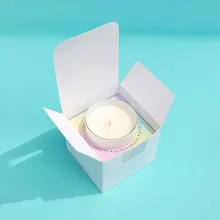
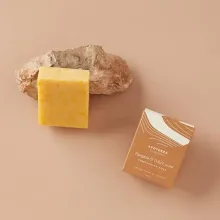
Show the exterior, open state, interior, closure, scale, insert, and window where those features exist. Use an approved physical sample or label a mockup clearly. A finish shown in a photograph is not included unless the listing says it is. Close views of foil, embossing, debossing, soft-touch, or spot UV help the buyer distinguish a surface treatment from printed artwork.
Captions should name the format: folding carton, rigid box, tin, sleeve, pouch, or secondary shipper. Match every image to the options on that product page, and keep the same view order across listings. That makes a tin easier to compare with a folding carton without suggesting that their specifications are interchangeable.
How do I set a truthful online buying path?
A truthful buying path collects the measurements and artwork decisions that change the quote before it asks for payment or approval. Use these fields:
- Collect product dimensions, packed orientation, quantity, and destination.
- Ask for material, structure, print coverage, closure, insert, and finish.
- Explain artwork requirements and identify the proof approval step.
- Separate production planning from carrier delivery and dimensional weight.
- Route complex combinations into a quote instead of showing a misleading fixed price.
CPL provides a free dieline and free design support. Projects use a 100-unit minimum, with pricing from $0.49 per unit at volume, quoted to spec. Production is typically 8 to 10 business days after proof approval, plus delivery. Free US shipping is available. The $19.99 sample kit is credited to the first order. Review custom packaging for small business and use the sample kit to move a specification into a quote.
Frequently Asked Questions
Which fields should a buyer fill out before requesting a quote?
A custom packaging quote request should collect product dimensions, packed orientation, quantity, destination, structure, material, print coverage, closure, insert, finish, artwork status, and proof requirements. Buyers should know which fields are fixed and which need a quote. The same field order makes folding cartons, rigid boxes, tins, and flexible formats easier to compare.
Which measurements belong on a custom packaging product page?
A custom packaging product page should use a consistent length x width x depth convention, with inside or outside measurements labelled. A useful industry reference is the 3 to 7.5 inch width range common for stand-up pouches. The buyer's product still sets the final fit, so request packed orientation and confirm the result against a sample or approved dieline.
Should custom packaging be shown as a fixed-price product?
Custom packaging should usually use a specification-led quote path because board caliper, print coverage, finishing, quantity breaks, tooling, shipping zone, dimensions, and inserts can change the total. An online page can show starting information, collect the project details, and return a project-specific quote instead of presenting one number as the final price for every format.
What should a packaging photo prove?
A packaging photo should show the exterior, open state, interior, closure, scale, insert, and window where those features exist. Use approved physical samples or clearly labelled mockups. Close views can show foil, embossing, debossing, soft-touch, or spot UV. Captions should identify the format and match the options actually offered on the listing.
How can a product page prevent packaging complaints?
A product page can reduce packaging complaints when it collects measurable details and uses approval checkpoints. Request product dimensions, packed orientation, tolerance, closure, artwork responsibility, and delivery assumptions. Provide a dieline and digital proof for review, then check a physical sample when fit or finish matters. Keep production timing separate from carrier transit.