


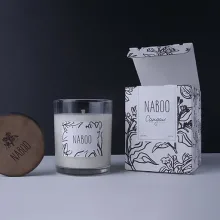
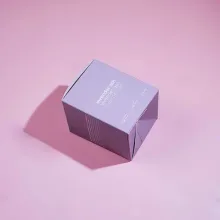
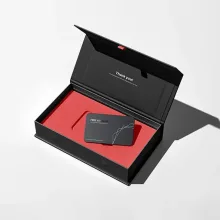
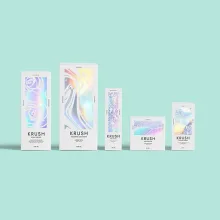




































Soap packaging should start with the bar, not a finish menu. A window soap box keeps part of the bar in view. A closed paperboard box gives the outside more room for the product name, scent, and supplied copy. A compact reference format can help when the same brand also packs wax, seeds, towels, or socks. The choice is structural: decide what the customer should see, how the bar will sit, and how the package will be filled.
How do you choose between soap packaging types?
Choose the type by the presentation job: visible bar, enclosed bar, compact set, or gift-oriented pack. A dieline is the flat cutting template used to print, cut, and fold a package. It is drawn from the product dimensions, so the bar's length, width, height, wrap, and any insert need to be known before the window or scores are placed.
| Packaging direction | Catalog reference | First question to answer |
|---|---|---|
| Visible bar | Window soap boxes | Which part of the bar should show before opening? |
| Closed printed pack | Custom paperboard soap structure | How much product information belongs on the outside? |
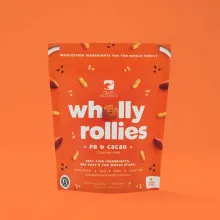
| Compact information-led format | Seed packaging as an adjacent reference | Can the front panel carry the supplied copy clearly? |
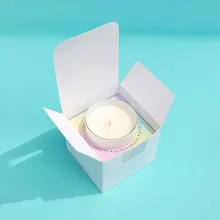
| Presentation-led compact format | Wax packaging as an adjacent reference | Should the package feel more like a gift or shelf presentation? |
The adjacent product pages are references for decisions, not interchangeable soap specifications. A seed packet and a soap box can both need a small front panel, but they do not share the same fit or loading details.
Which soap packaging styles are in the CPL catalog?
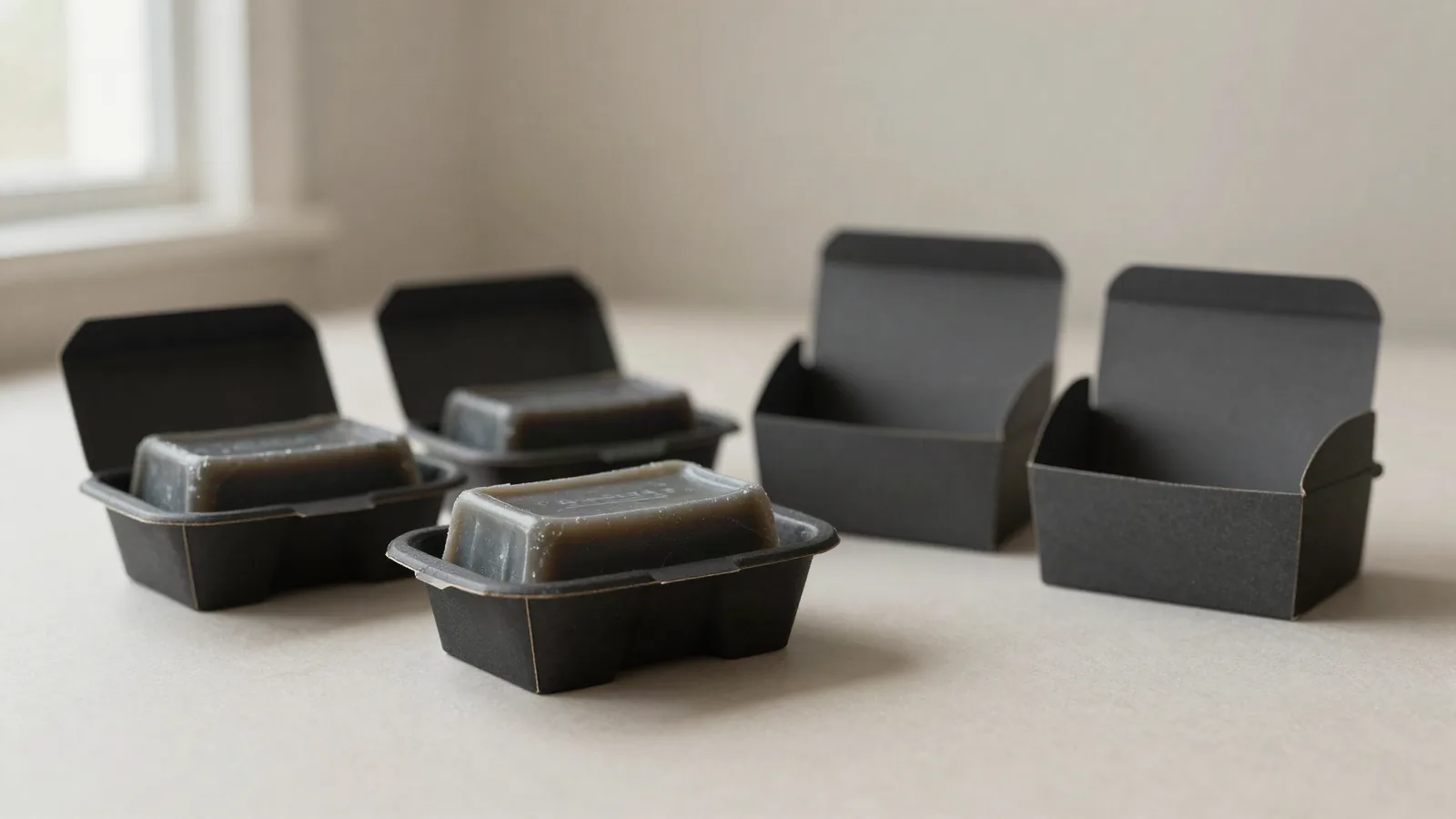
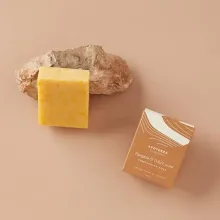
The direct soap-specific route is window soap boxes. The opening gives the buyer a controlled view of the bar, while the surrounding panels carry the brand system. If the bar should be fully enclosed, describe the requested paperboard structure and provide the finished product dimensions. That keeps the quote tied to the package instead of making the word soap do too much work.
For adjacent format references, seed packaging shows how a small pack can organize concise product information. Wax packaging shows a compact presentation-led direction. Towel packaging and sock packaging show how a product family can be identified from the outside. They are comparison points only.
When should a soap bar remain visible?
Keep the bar visible when its color, shape, texture, or stamped face helps identify the variant before opening. The window should show the chosen area without cutting through the product name or leaving the bar loose behind the opening.
Window placement also affects filling. If the bar slides sideways, the view changes after packing. Check the assembled package with the actual bar, not just a flat artwork file. Mark the window, folds, glue tabs, and scores on the dieline so the cutout stays in the planned relationship to the panels. If a soap has an uneven edge, allow room for the bar to settle without hiding the view.
How do kraft, white board, and finishes change the pack?
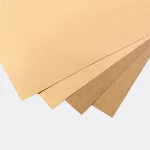
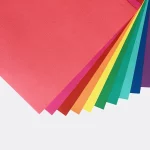
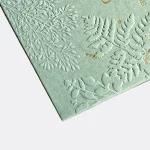
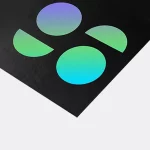
Kraft board starts brown and gives printed artwork a warmer base. White paperboard gives color a cleaner background. Matte lamination diffuses reflected light. Gloss lamination reflects more light and can make printed color look sharper. Spot UV adds a clear glossy coating to selected areas, while foil places a metallic effect on specified panels. Embossing raises paperboard; debossing presses it inward.
Finish should follow the front-panel job. A busy window, small product name, and heavy gloss can compete for attention. A clean window with a restrained matte surface may leave the bar doing more of the visual work. Ask us about food-contact options for your product when that use applies.
What should you settle before ordering soap packaging?
Settle the bar dimensions, orientation, desired visible area, board direction, artwork status, window or insert request, quantity, and delivery destination. Send the packed product dimensions, not a name such as standard bar, because the dieline, opening, and clearance follow the actual piece.
- Decide whether the bar stays visible or enclosed.
- Mark the product face that should appear through a window.
- Keep type and supplied copy away from scores and glue tabs.
- Check the filled package before approving the digital proof.
Custom Packaging Lane uses a 100-unit MOQ. Pricing is from $0.49 per unit at volume, quoted to spec. Production is typically 8 to 10 business days after proof approval, plus delivery. Free US shipping and free design support are available. The $19.99 sample kit can help compare paperboard feel, window placement, and surface finish. For a broader small-brand route, use custom packaging for small business.
Frequently Asked Questions
Which soap package lets a customer see the bar?
Window soap boxes let a customer see a defined part of the bar before opening. The window size and position should match the bar's actual shape, product face, and filling position. Check the assembled package with the real bar so it does not slide behind a fold or leave the product name hidden.
Is kraft or white paperboard better for soap packaging?
Kraft board gives printed artwork a brown, warmer base, while white paperboard gives color a cleaner background. The right direction depends on the artwork, finish, product presentation, and desired surface. Share the bar dimensions and artwork status first, then confirm the material and finish in the digital proof.
Can adjacent CPL product pages help plan a soap package?
Yes, adjacent product pages can help compare compact presentation, information placement, and product-family organization. Seed packaging, wax packaging, towel packaging, and sock packaging are reference formats only. The soap package still needs its own dimensions, window or closure, material, artwork, and filling plan.
What should a soap packaging proof show?
A soap packaging proof should show the dieline, product orientation, window or opening, scores, glue tabs, printed panels, bleed, and finish areas. Check it with the actual bar before approval. Low-resolution art, RGB color shifts, type too close to a score, and an insert based on guessed dimensions are easier to fix at this stage.
What are the basic CPL terms for a soap packaging order?
Custom Packaging Lane uses a 100-unit MOQ. Pricing is from $0.49 per unit at volume, quoted to spec. Production is typically 8 to 10 business days after proof approval, plus delivery. Free US shipping and free design support are available, and the sample kit is $19.99.