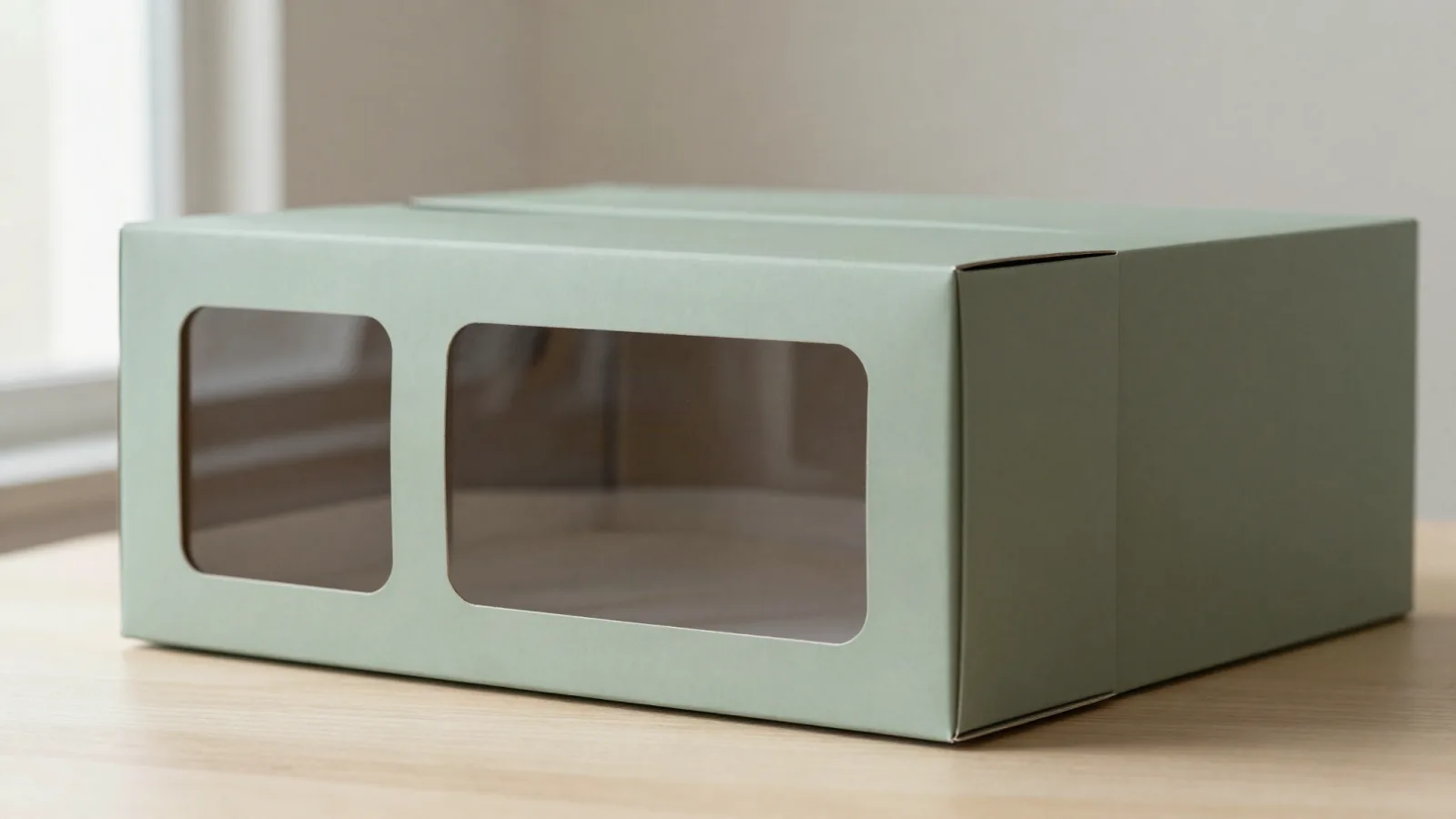



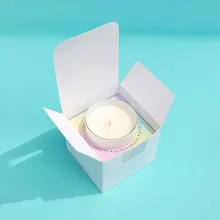














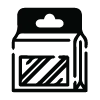
















A window box is a folding carton with a die-cut opening covered by clear film, so the customer can see part of the product before opening. The opening changes the front panel, print area, and loading process. Choose the box by the view you need, the material direction, and the product that must stay aligned behind the window.
What are the main types of window boxes?
The CPL catalog groups window boxes into display, kraft, soap, candle, cosmetics, candy, and bakery directions. Each label gives the buyer a starting point for the product view and material discussion, but the finished opening still needs to be drawn around the actual contents.
| Window direction | Catalog reference | What the opening should do |
|---|---|---|
| Display window | Window display boxes | Show the product as the main front-panel cue. |
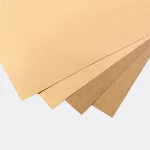
| Kraft window | Custom kraft boxes with window | Pair product visibility with a brown board surface. |
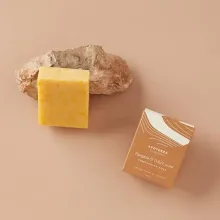
| Soap window | Window soap boxes | Frame the visible face, color, or texture of the bar. |
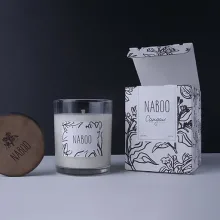
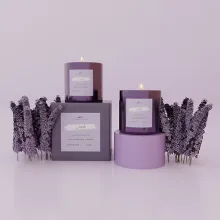
| Candle window | Custom candle boxes with window | Show the candle while keeping the carton structure intact. |
| Category window | Cosmetics boxes with window, candy boxes with window, or bakery boxes with window | Match the view to the product category and pack-out. |
The table separates the catalog direction from the construction decision. A category name does not set the window size, closure, board, or product clearance. Those details belong in the dieline and proof.
How does window placement change what customers see?
Window placement determines which face, label, color, or texture is visible before the box opens. A high opening can show a top presentation. A front opening can prioritize the main label or product face. A wide opening gives more product view but leaves less room for printed copy.
A sightline is the angle from which the assembled package is normally viewed. Check that sightline from the counter or shelf position where the box will sit. A window that looks centered on flat artwork may show a fold, closure, uneven product edge, or support panel after assembly.
Which material or category direction fits the product?
Choose kraft when the brown board appearance belongs in the brief, display when the view is the main job, and a category page when product shape and handling should lead. CPL's window boxes page provides a broad catalog reference, while the category pages narrow the discussion around soap, candle, cosmetics, candy, or bakery presentation.
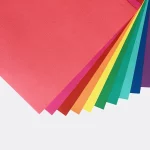
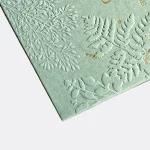
Kraft board gives color a warmer base. White paperboard gives printed color a cleaner background. Matte lamination reduces reflected light, while gloss lamination reflects more light and can make color look sharper. Pick the surface after the window and product position are understood.
What should the window hide as well as show?
The opening should show the planned product area and keep the closure, uneven edge, and support panel out of view. It should also leave enough surrounding board for the logo, product name, supplied copy, and fold structure to remain readable.
Fill the assembled box with the actual product before approving the cutout. If the product shifts, the visible area changes. If an insert is cut from an estimate, the product can rattle or sit too high behind the film. Check the product position, window film, folds, and closure together.
What should you inspect in an assembled proof?
An assembled proof should show the real product position, clear view area, printed panels, folds, scores, closure, and any insert. A digital proof is the screen version of the planned print file. It should catch low-resolution art, RGB color shifts during press conversion, type too close to a score, and missing bleed before anything prints.
Compare the flat dieline with the assembled view. Look at the front from the intended shelf angle, then inspect the back and side panels. If the product may touch the package, ask us about food-contact options for your product. A window alone does not establish suitability for a particular use.
What are the order terms for custom window boxes?
The smallest custom window-box order is 100 units. Pricing is from $0.49 per unit at volume, quoted to spec. Production is typically 8 to 10 business days after proof approval, plus delivery. Free US shipping and free design support are available. The $19.99 sample kit can help compare board feel, window placement, and surface finish. For coordinated artwork and structural planning, use custom packaging design.
Frequently Asked Questions
What is a window box used for?
A window box is a folding carton with a defined opening covered by clear film, so part of the product can be seen before opening. It suits products where color, shape, texture, or arrangement matters at the shelf. The final construction still depends on product fit, window placement, board, closure, print, and finish.
Which window box formats does CPL list?
Custom Packaging Lane lists display, kraft, soap, candle, cosmetics, candy, and bakery window-box directions. Each category is a starting reference, not a complete construction specification. Confirm the product dimensions, opening location, material, closure, printed panels, window film, and assembled product position before approving the proof.
Should a window go on the front or top of a box?
A front window prioritizes the main product face or label, while a top window can show a surface, arrangement, or top presentation. Choose the placement from the normal shelf or counter sightline, then check the assembled package with the actual contents. The window should not hide the product name or closure.
Can CPL make kraft window boxes?
Yes. CPL lists custom kraft boxes with window. Kraft board gives printed artwork a brown base, so color and contrast should be checked in the proof. Provide the product dimensions, desired visible area, window location, artwork, closure, and finish so the package is reviewed as an assembled structure.
What are the starting terms for custom window boxes?
Custom Packaging Lane uses a 100-unit MOQ. Pricing is from $0.49 per unit at volume, quoted to spec. Production is typically 8 to 10 business days after proof approval, plus delivery. Free US shipping and free design support are available, and the sample kit is $19.99.