




























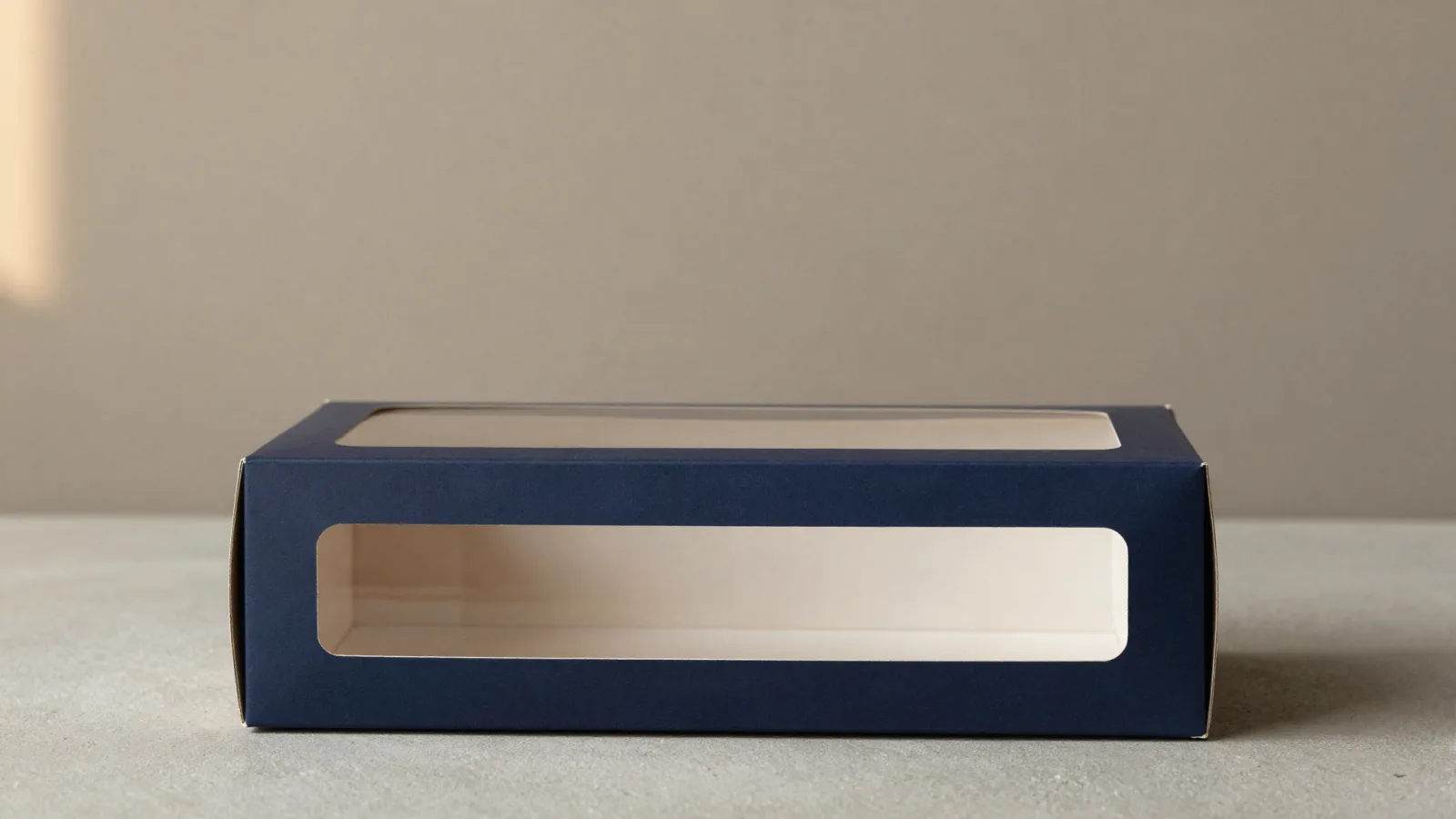




















































Bakery boxes are easier to compare when the catalog label names the job of the package. Kraft bakery boxes lead with the paperboard surface. Bakery gift boxes lead with the handoff and recipient presentation. Bakery boxes with a window put product visibility into the structure. Window display boxes and broader window boxes add display references. The style name starts the brief, but product dimensions, contact path, artwork, and proof control the order.
What are the main types of bakery boxes?
The main types in the CPL catalog are kraft bakery boxes, bakery gift boxes, bakery boxes with a window, window display boxes, and broader window boxes. The table ties each label to a real product reference and a practical proof check.
| Catalog label | Primary direction | CPL product reference | Proof focus |
|---|---|---|---|
| Kraft bakery box | Material-led bakery packaging | Custom kraft bakery boxes | Paperboard color, artwork contrast, folds, and closure |
| Bakery gift box | Gift and handoff presentation | Custom bakery gift boxes | Opening sequence, front panel, message, and product position |
| Bakery window box | Bakery package with product visibility | Bakery boxes with window | Window position, product orientation, printed border, and closure |
| Window display box | Display-led presentation with a visible area | Window display boxes | Display orientation, window view, front panel, and opening |
| Window box | Broader window packaging reference | Window boxes | Visible area, artwork balance, product position, and box structure |
One bakery package can have more than one label, but the project record needs a primary direction. Keep the product page, style name, material, window or display feature, and artwork version together. That prevents a seasonal artwork update from becoming a new package category by accident.
When should you choose kraft paperboard for a bakery box?
Choose kraft paperboard when the brown paper surface is part of the package direction. Kraft usually shows its natural brown base, while white paperboard gives printed colors a cleaner background. That difference affects logos, small type, pale colors, and the amount of ink coverage needed on the artwork.
Kraft appearance does not answer the package-use question. If the baked item touches the package, record that contact path separately. A liner, wrap, or sleeve changes the brief. So does a window, because the visible product area must be placed around the finished item and its orientation.
What is the difference between a bakery gift box and a window box?
A bakery gift box is organized around the handoff and recipient presentation, while a window box is organized around seeing the product before opening. A gift box may need a front message and a deliberate opening sequence. A window box needs the visible area, printed border, product position, and closure checked together.
The two directions can share a bakery brand system, but they should not share an unedited dieline. A dieline is the flat cutting template for the panels, scores, cuts, glue tabs, and window position. Draw each style from the actual packed product dimensions.
When does a window display box fit the job?
A window display box fits when product visibility and display orientation need to be reviewed as one package plan. The buyer should see the item from the intended customer side, with the logo, product name, window border, and opening in the right places. A broader window box reference may be enough when the viewing feature matters more than a retail display position.
Use the assembled proof to check the visible product area. A window placed too close to a score can look uneven after folding. A product placed too low or too high can hide the printed message. These are proof-stage problems, which is where they are cheapest to correct.
What changes when a baked item touches the package?
If a baked item will touch the package, ask us about food-contact options for your product. State whether the item is wrapped, lined, sleeved, or placed directly in the box. The word bakery, a kraft surface, or a window opening does not answer that use question by itself. Put the contact path in the brief before the structure, artwork, and finish are approved.
Keep the contact question separate from the visual choice. Matte or gloss lamination, spot UV, foil, and embossing describe surface treatments. They do not replace a review of how the baked item meets the package. The same discipline applies to a window film or insert.
What should a bakery box proof catch?
A bakery box proof should show the finished item, the opening direction, and every panel that the customer will see. Check product dimensions against the usable interior. Check bleed, which is artwork extending past the cut line, so trimming does not leave a white edge. Check RGB artwork after press conversion. Keep type, logos, and barcodes away from scores and glue tabs.
- Mark the product orientation and contact path.
- Check the window or display area against the finished item.
- Check the front panel, opening, closure, and glue tabs.
- Check material, finish, artwork version, quantity, and destination.
We draw the dieline free and send a digital proof before anything prints. A clear assembled view catches the crushed logo, misplaced score, missing bleed, or loose insert before the run begins.
What order terms apply to bakery boxes?
The MOQ is 100 units. Pricing is from $0.49 per unit at volume, quoted to spec. Production is typically 8 to 10 business days after proof approval, plus delivery. Free US shipping and free design support are available. Order the $19.99 sample kit to compare general material and presentation directions, then use custom packaging for small business to send the bakery style, product dimensions, contact path, artwork, quantity, and destination.
Frequently Asked Questions
What types of bakery boxes does CPL offer?
CPL groups bakery packaging into kraft bakery boxes, bakery gift boxes, bakery boxes with a window, window display boxes, and broader window boxes. Those labels separate material, handoff, visibility, and display directions. The final package still needs a confirmed structure, product orientation, artwork, finish, and food-contact plan when the item touches the package.
When should a bakery choose a window box?
Choose a bakery window box when the product should be visible before opening. The proof must show the window position, finished item orientation, printed border, and closure. If the box is also meant for a display setting, compare it with a window display box instead of assuming the two labels describe the same structure.
How can a bakery name multiple box styles consistently?
Name each bakery box record with the product family, primary style, material, window or display feature, and artwork version. Keep the matching product reference beside the record. That naming pattern separates a kraft bakery box from a gift or window box when one bakery line uses several package formats.
What if a baked item touches the box?
If a baked item touches the package, ask us about food-contact options for your product. State whether the item is wrapped, lined, sleeved, or placed directly in the box. Kraft paper, a bakery label, or a window does not answer that use question by itself.
What are the MOQ and timing for custom bakery boxes?
Custom bakery boxes have a MOQ of 100 units. Pricing is from $0.49 per unit at volume, quoted to spec. Production is typically 8 to 10 business days after proof approval, plus delivery. Free US shipping, free design support, and a $19.99 sample kit are available.












