






















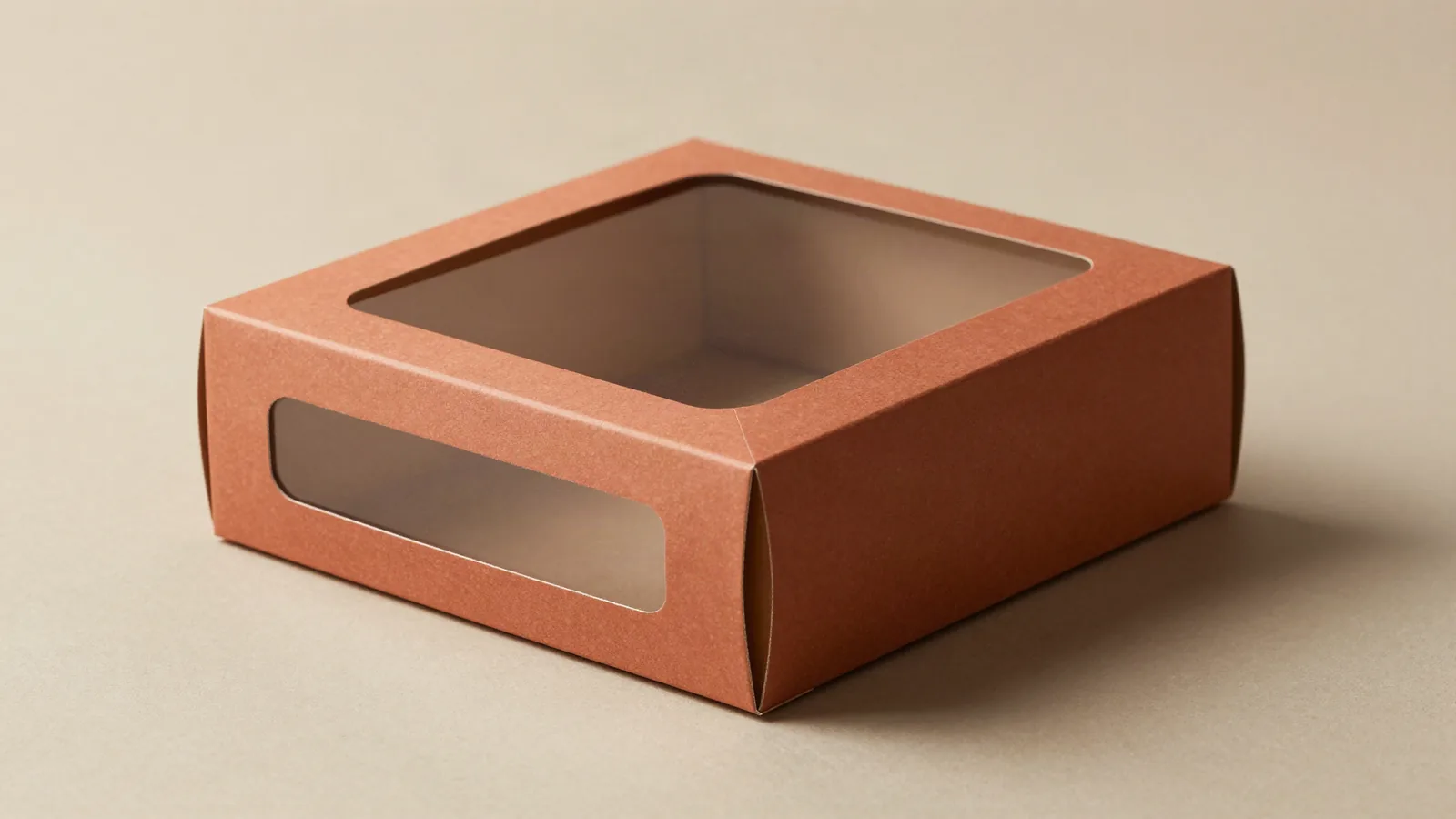








































A wedding cake taster box is a package built for a tasting appointment. It groups portions, flavor notes, and a follow-up message so the couple can move from opening to discussion without losing the thread. Start with the next decision, then draw the tray, box, lid, and printed panels around it. A dieline is the flat cutting template used to cut, score, and fold the box. For a design-led handoff, use custom packaging design.
What should the appointment box help the couple decide?
The lid and first sample should tell the couple where the appointment begins. Decide whether the set is for choosing flavors, comparing fillings, selecting a cake direction, or taking notes for later. Give each sample a position and each note a matching home. A flavor card on the lid can set the sequence, while the inside layout keeps the tasting pieces from becoming a loose pile.
| Appointment moment | Package behavior | Design checkpoint |
|---|---|---|
| Before opening | Show what is inside and where to begin | Exterior hierarchy and opening direction |
| First reveal | Show the sequence without searching | Sample visibility and lid clearance |
| During discussion | Keep names beside the matching portions | Readable panel or card placement |
| After the appointment | Leave the next decision easy to find | Take-home message and closure behavior |
How should the opening pace a consultation?
A drawer reveals one stage at a time; a magnetic flap opens the whole face. A two-piece rigid box separates the lid from the base, while a folding carton keeps the set in one formed piece. A drawer or slide can control the order of discovery. Straight tuck, reverse tuck, sleeve, and tray constructions create different hand positions and panel areas. Choose the opening after the filled samples are placed.
Where should flavor notes sit during the tasting?
A flavor name is useful only when it stays beside its matching portion. Use inside measurements, written as length x width x depth, for the sample cavity, cards, cups, liners, and dividers. About 1/16 in, or 1.5 mm, is a common planning tolerance reference. Keep cards clear of folds, seams, glue zones, and closure areas; a lid can hide a note that looked perfectly placed in the flat file.
Which material references fit a guided tasting?
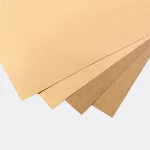
SBS, C1S, and C2S paperboard are common references for folding cartons in the 12 to 24 pt range. Kraft board in the 18 to 24 pt range changes the visible paper direction. Rigid presentation boxes commonly use chipboard in the 1.5 to 3 mm range wrapped in 100 to 157 gsm art paper. These are public packaging standards and material references, not a specification for every order.
How can the package survive the trip home?
A take-home box needs a closure that can be handled twice, once at the appointment and again at home. Check whether the filled set stays level in a bag, whether the card remains with the right portion, and whether the front panel is still recognizable after the box is returned to a table. The follow-up message should be visible without opening the samples again. If cake contacts an interior surface, ask us about food-contact options.
What should I check with real portions?
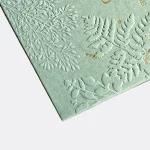
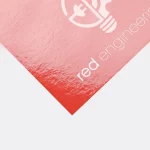
Flat art cannot show whether a lid catches a cup or a card slips under a flap. Use actual cake portions, cups, liners, labels, and note cards in the check. Look for crumbs or condensation in the wrong area, portions that shift, hidden notes, and interference at the opening. Offset CMYK is a common reference for detailed carton artwork; digital printing can suit short-run concept checks. Matte, gloss, soft-touch, spot UV, foil stamping, embossing, and debossing all need locations on the proof.
Which catalog products can anchor a taster concept?
Use tall cake boxes to think through vertical clearance, custom cake pop boxes for a related portion presentation, and wedding card boxes for an event display reference. These pages give the conversation real formats, but the taster box still needs the filled sample arrangement, note cards, opening path, and table check.
What belongs in a taster box quote request?
A quote request should describe the appointment before it describes the artwork:
- State the tasting decision, sample order, opening path, and follow-up message.
- List portions, cups, liners, labels, cards, utensils, dividers, and accessories.
- Name the folding carton, drawer, slide, sleeve, tray, flap, or rigid direction.
- Provide inside length, width, and depth, then mark folds, seams, glue zones, and finish areas.
- Share artwork status, quantity, destination, and any food-contact question.
Custom Packaging Lane quotes a wedding cake taster box to spec from a 100-unit minimum. Pricing is from $0.49 per unit at volume, quoted to spec. Production is typically 8 to 10 business days after proof approval, plus delivery. Free US shipping, free design support, and a free dieline support the planning stage. The $19.99 sample kit is credited to the first order. Send the filled appointment layout to begin.
Frequently Asked Questions
What should a bakery decide before drawing a taster box?
A bakery should decide the tasting sequence, the recipient's next decision, the sample arrangement, and the message that follows the appointment. Those choices determine the lid, tray, card placement, and opening direction. Check the complete filled set on a table so the box supports the conversation instead of hiding the useful information.
How does a drawer differ from a folding carton?
A drawer or slide reveals the contents through a pull direction, while a folding carton opens through scored panels and flaps. A two-piece rigid box separates its lid and base. The right choice depends on the filled portions, note placement, available hand room, and the order in which the couple should see the set.
Which board references fit a wedding cake taster box?
Folding cartons commonly use SBS, C1S, or C2S paperboard in the 12 to 24 pt range. Kraft board in the 18 to 24 pt range is another reference. Rigid boxes commonly use 1.5 to 3 mm chipboard wrapped in 100 to 157 gsm art paper. Confirm the construction against the filled package.
How should flavor notes be placed?
Place each flavor name beside the portion it describes, then keep broader bakery information on a lid, card, or separate panel. Check the filled set because a note can slide, hide under a flap, or cover the sample view. Keep important text away from folds, seams, glue zones, and closure areas.
What belongs in the proof check for a taster box?
Check the appointment sequence, filled portion fit, note placement, opening path, panel order, fold and glue clearances, finish map, and take-home message. Use real portions, cups, labels, liners, and cards. If cake contacts an interior surface, ask about food-contact options and describe that contact path before approval.