




























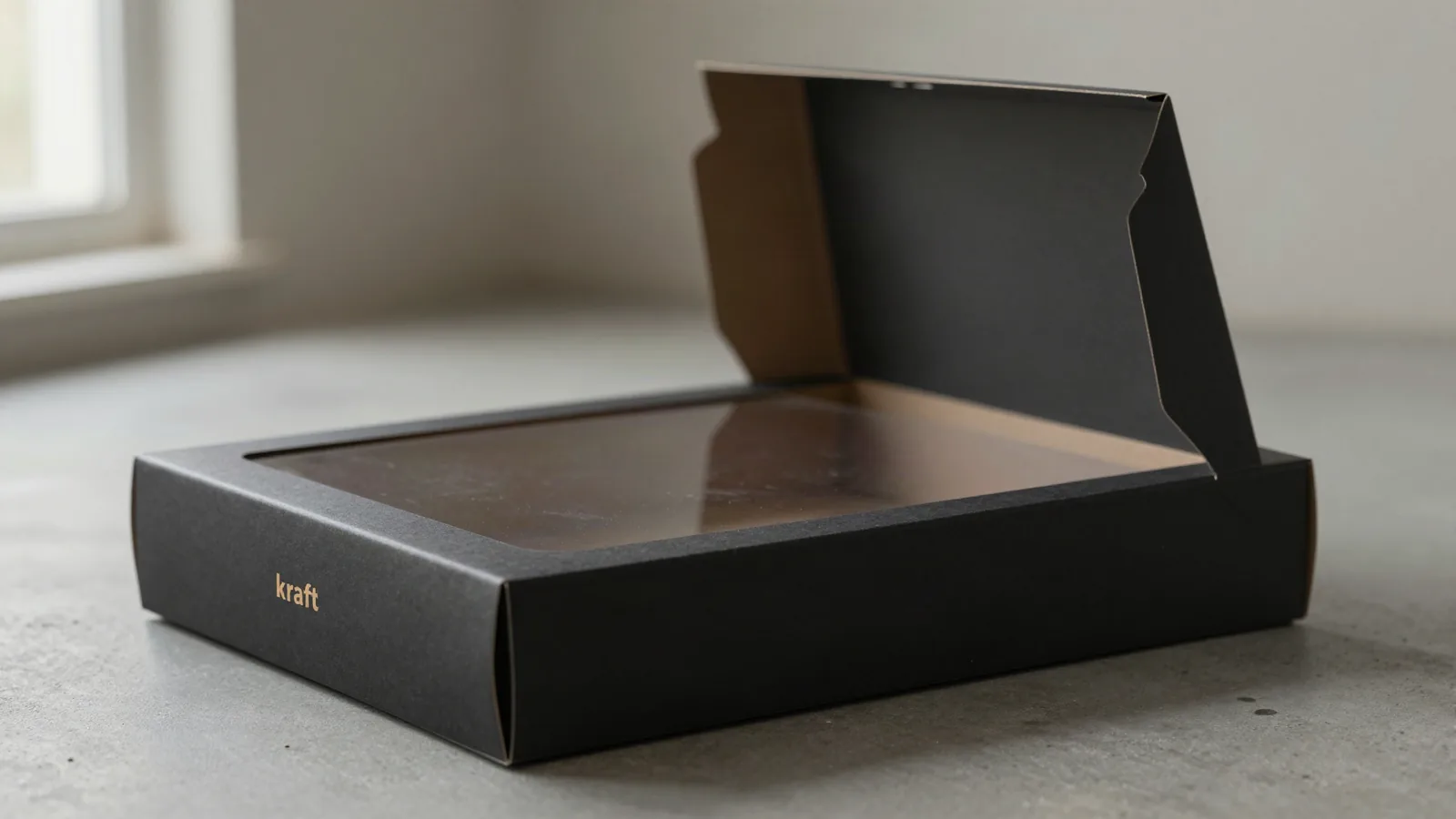




















































A wedding cake test box is a physical packaging prototype used to check the finished cake, cake board, insert, lid, artwork, and opening sequence together. The test is useful because a flat file cannot show whether the decoration hits the lid or whether the base closes around the board. Use custom packaging design to organize the measurements, structure, and proof notes around the actual cake presentation.
What should a physical test box prove?
The first pass should settle interior fit before the artwork gets a vote. Place the finished cake or a matching physical sample inside the box, then check the base footprint, lid clearance, closure direction, carrying orientation, and panel visibility. Record structural changes separately from artwork changes. A logo can move on screen in seconds, but a score line or glue flap can change the package shape.
| Test item | What to verify | Input to bring | Physical check |
|---|---|---|---|
| Fit envelope | Interior length, width, depth, and clearance | Finished cake and cake board measurements | Board sits flat and decoration clears the lid |
| Closure | Lid overlap, tuck direction, or locking base | Chosen structure and opening sequence | Box opens and closes without catching |
| Interior support | Tray, divider, or insert position | Component layout and support points | Cake and board stay in the planned position |
| Brand panel | Logo, message, label, and finish zones | Artwork file and finish direction | Artwork lands on the assembled panels |
Which structure should I put in the sample first?
A straight tuck end or reverse tuck end keeps the folding carton review focused on panel order and lid clearance. An auto-lock bottom and a crash-lock structure change how the base forms, so the test needs to include the actual opening and closing motion. A two-piece rigid box separates lid from base. A drawer or slide moves a tray in one direction, while a magnetic flap changes the way the package is lifted. Tall cake boxes can frame decoration height and vertical clearance.
How do I measure a cake test package?
Inside measurements decide whether the finished cake and board actually fit. Describe the package as length by width by depth, and state whether each number is inside or outside. Measure the finished cake, cake board, liner, tray, and any decoration that changes the height. About 1/16 in, or 1.5 mm, is a common tolerance reference for box planning, but fit still depends on board caliper, folds, inserts, and the packed arrangement. Add photographs or a physical component when shape is difficult to describe with numbers.
What changes when I add an insert?
A tray or foam insert consumes interior space before the lid clearance is checked. Its thickness, pockets, edge clearance, and position need to be measured with the outer box. Custom foam box inserts are a useful comparison when the cake presentation needs shaped support or separated zones. Paperboard dividers and foam constructions use different planning approaches, so approve the insert layout with the box rather than adding it after the structure is fixed.
How much artwork belongs on a test proof?
The proof should show the assembled panels, not a flat artwork file with the folds hidden. Place the bakery name, logo, flavor or collection information, opening message, and product details on the actual panels. Offset CMYK is a common reference for detailed paperboard printing, while digital printing can suit short runs or early artwork checks. Mark matte or gloss lamination, soft-touch, spot UV, foil stamping, embossing, and debossing by panel. Keep type away from score lines, seams, glue flaps, and closure edges. RGB artwork can shift after conversion to press color, so review the converted file before approval.
When is a physical test ready for a production quote?
A quote is ready when fit, structure, insert, artwork placement, and finish direction are recorded as one specification. Note the cake board, decoration height, lid clearance, opening path, board caliper, and any change made during the physical review. If a more rigid presentation is under consideration, wine box packaging is a structural comparison, not a substitute for the cake measurements. A test box does not replace the final proof approval. It gives that proof a cleaner set of dimensions and decisions.
For a project quoted to spec, use a 100-unit minimum. Pricing is from $0.49 per unit at volume, quoted to spec, subject to the chosen format and specifications. Production is typically 8 to 10 business days after proof approval, plus delivery. Free US shipping, free design support, and a free dieline support the planning stage. The $19.99 sample kit is credited to the first order. Send the cake, board, insert, structure, artwork, and destination details to begin a quote.
Frequently Asked Questions
Does a wedding cake test box check artwork as well as fit?
A wedding cake test box checks artwork on the assembled package as well as physical fit. Review logo position, bakery name, opening message, label space, finish zones, folds, seams, glue flaps, and closure edges after the cake and board are placed inside. Artwork changes and structure changes should be recorded separately.
Should the cake board be inside the test box?
The cake board should be included because it sets the base footprint and changes the usable interior width and length. Measure the board separately from the finished cake and decoration, then check the liner, tray, insert, lid clearance, and closure with all parts in their planned positions.
What structure can I compare for a taller cake?
A tall cake presentation needs a structure with enough interior depth and lid clearance for the finished decoration. A folding carton, tall cake box, two-piece rigid box, drawer, or magnetic flap can be compared by opening path and base support. The test should use the actual cake height and board footprint.
Can the insert be tested with the outer box?
The insert should be tested with the outer box because its thickness and pocket layout reduce usable interior space. Check the insert position, edge clearance, support points, cake board fit, lid clearance, and removal path together. A separate insert sample cannot show how the closed package behaves.
What does the final packaging proof approve?
The final packaging proof approves the dimensions, structure, artwork placement, print direction, finish, folds, seams, glue flaps, closure, and insert plan for production. A physical test can expose fit questions first, but any change to the cake, board, decoration, or insert should be reflected before that proof is reviewed.












