


























































What is Mylar material in packaging?
Mylar packaging material is usually a polyester-based film or a laminated flexible structure sold as a bag. Mylar is a trade name used in packaging conversations, while the finished bag can contain several films with different jobs. PET, or polyethylene terephthalate, can add film strength and a surface for printing or lamination. Aluminum foil can block light and support a strong barrier in an opaque structure. LLDPE, or linear low-density polyethylene, is commonly used as an inner sealing layer. Custom Packaging Lane quotes the proposed film stack to the bag specification.
A shiny surface does not identify the full construction. The layer stack, thickness, seal, closure, opacity, and print plan determine how the package behaves. Ask for the proposed structure when oxygen, moisture, light, or odor transfer matters.
How do the film layers protect contents?
Each layer in a multilayer bag has a job. PET contributes support and a printable or laminated face. Aluminum foil blocks light and reduces passage through the laminate when the structure calls for it. LLDPE creates the inner heat-seal surface. The finished barrier depends on the selected layers, their thickness, the seal width, the closure, and the way the bag is filled.
| Bag element | Physical role | Buyer check |
|---|---|---|
| PET film | Polyester support and print or laminate face | Confirm the film stack and print surface |
| Aluminum foil | Opaque light and air barrier layer | Confirm opacity, fold behavior, and seal design |
| LLDPE | Inner layer used for heat sealing | Confirm seal width and filling workflow |
| Closure | Controls opening and closing after production | Choose zipper, heat seal, tear notch, or a combination |
What do oxygen and moisture barrier values tell me?
Oxygen transmission rate, or OTR, describes oxygen passage through a material under stated test conditions. Water vapor transmission rate, or WVTR, describes moisture passage under stated test conditions. The units, temperature, humidity, film stack, and test method belong beside each value. A number without those conditions is not a fair comparison.
CPL product descriptions explain oxygen and moisture barrier functions for several bag formats, but one OTR or WVTR value should not be assumed for every custom structure. Ask for structure-specific barrier data for the proposed layers, bag size, closure, seal, and intended storage conditions. The request should cover the finished bag, not film alone.
Which opacity, shape, and closure fit the job?
Choose the bag around the product and the customer action. An opaque foil structure supports a light-sensitive or discreet presentation. A clear face or window changes the barrier plan because part of the foil layer is absent. A flat bag suits compact packing. A stand-up or gusseted bag creates a different base and shelf posture. A zipper supports repeated opening, while a heat seal closes the filled bag after packing.
| Decision | What to decide | Physical consequence |
|---|---|---|
| Opacity | Opaque, clear face, or controlled window | Changes light protection and available print area |
| Shape | Flat, stand-up, gusseted, die-cut, or irregular outline | Changes fill space, folds, and seal placement |
| Opening | Zipper, tear notch, heat seal, or combination | Changes customer use and unprinted seal zones |
| Printing | CMYK, spot color, matte, gloss, or metallic effect | Changes artwork planning on film and seams |
Which CPL Mylar bag products can I compare?
Compare large Mylar bags for long or bulky contents. For a custom outline, review irregular shape Mylar bags and die-cut Mylar bags. If the project needs a bag planned around freeze-dried products, see Mylar bags for freeze drying. These pages narrow the format discussion. The film stack, barrier data, closure, and artwork still follow the product brief.
Can Mylar packaging be printed and finished?
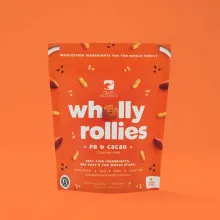
Mylar packaging can be planned with custom artwork, full-color printing, matte or gloss surfaces, metallic effects, windows, zippers, tear notches, and heat-seal areas. A dieline is the flat cutting template used to print, cut, and seal the bag. Free design support can turn a logo and rough layout into a dieline that accounts for seams, folds, gussets, closure placement, and unprinted seal zones.
Check low-resolution art, RGB color conversion, type near a seal or fold, and bleed before proof approval. If the package may touch a food product, ask us about food-contact options for the selected structure. That question belongs in the quote with the film stack and intended use.
What are the order terms for custom Mylar bags?
The MOQ is 100 units. Pricing may be from $0.49 per unit at volume, quoted to spec. Production is typically 8 to 10 business days after proof approval, plus delivery. Free US shipping and free design support are available. For broader custom packaging solutions, send the product dimensions, fill details, opacity, closure, artwork, and storage conditions. The $19.99 sample kit gives you a physical reference before the bag specification is approved. Ask for structure-specific OTR and WVTR data when barrier performance matters.
Is a Mylar box the same as Mylar packaging?
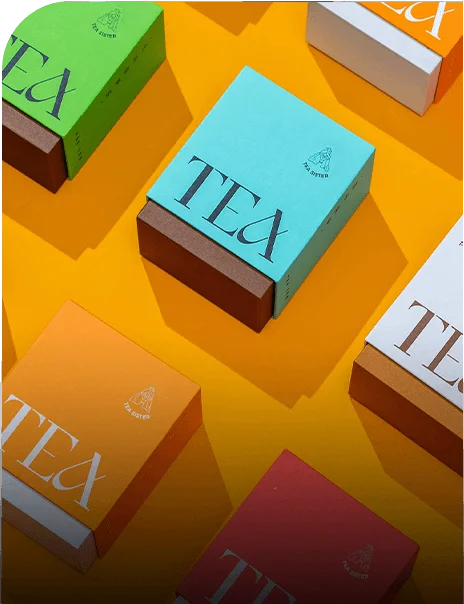
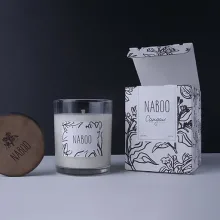
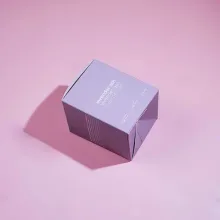
A Mylar box usually means either a flexible printed pouch or a pouch paired with an outer paperboard carton, because Mylar film is not a paperboard box structure. The distinction belongs in the specification: the pouch carries the seal and barrier requirements, while a carton or sleeve adds rigid panels for display, stacking, and longer copy. Identify the requested format as a pouch alone, a pouch in a folding carton, or a carton with a film window. That language prevents a bag quote from being compared with a two-component pack.
Which printing method fits custom Mylar packaging?
Digital printing is useful when a short campaign has several designs, while flexographic printing can suit a repeated design after plate and setup costs are spread across the run. Flexographic printing transfers ink from flexible relief plates to a moving web, which is the continuous roll of packaging film. Lamination bonds separate film layers into one flexible structure. There is no universal crossover quantity. Bag size, artwork version count, ink coverage, white ink, plate cost, and total repeat length decide which route costs less.
| Production choice | How it works | Best planning use | Quote check |
|---|---|---|---|
| Digital print | Plate-free imaging places the artwork on the web | Short runs or several artwork versions | Compare quantity per design and color control |
| Flexographic print | Relief plates transfer ink during each repeat | Repeated artwork across a longer run | Include plates and press setup |
| Reverse print | Ink sits on the inner face of the outer web before lamination | Graphics protected beneath the outer film | Confirm reading direction after laminating |
| White underprint | Opaque white ink sits beneath selected colors | Clear, metallic, or dark laminate areas | Supply a separately named artwork layer |
How should artwork be checked before a Mylar printing run?
White ink alignment, seam position, barcode contrast, and repeat registration expose files that look acceptable only on screen. Metallic film can change a brand color when the file lacks an intentional white underprint. A barcode should not cross a gusset or seal, and its layout should follow the applicable GS1 standard for contrast, quiet zones, and final verification. During a press check, inspect color registration, solid ink density, white ink alignment, and repeat position against the seals.
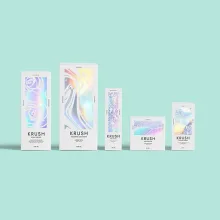
Panel mapping also matters. The artwork should label the front, back, gusset, zipper lane, tear area, and seal bands. Keep essential copy out of distorted or nonprintable zones, especially where the gusset opens or the seals narrow the live area. For shape-led graphics, compare custom die-cut Mylar bags. For controlled metallic show-through, inspect custom holographic Mylar bags.
When does a carton help a printed pouch?
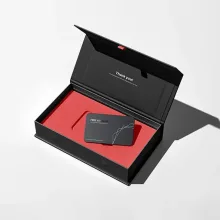
An outer carton earns its place when the project needs a rigid retail face, stacking support, or more copy than the flexible web can carry without crossing seams. The carton does not replace the pouch specification. It creates a second dieline and another print surface that must align with the filled bag. The carton panels must fit the filled pouch without crushing the zipper or leaving excess movement.
Use the custom Mylar bags collection to compare pouch formats before adding a paperboard component. The sample kit is another checkpoint before the pouch and carton specifications are locked.
Frequently Asked Questions
Is Mylar a plastic film or a bag?
Mylar is commonly used to describe a polyester-based film, while buyers also use the word for a finished multilayer bag. A bag can combine PET, aluminum foil, LLDPE, sealing layers, and a closure. Ask Custom Packaging Lane to identify the proposed film stack, because appearance alone does not define the package.
What do OTR and WVTR mean for Mylar packaging?
OTR means oxygen transmission rate, and WVTR means water vapor transmission rate. Each value describes passage under stated test conditions, so units, temperature, humidity, test method, and film stack matter. Ask for structure-specific OTR and WVTR data for the finished bag, including its seal and closure, rather than comparing film names alone.
Can Mylar bags be opaque or have windows?
Mylar bags can be specified as opaque, clear-faced, or built with a controlled window. An opaque foil layer blocks light, while a window changes the barrier plan and the available print area. Confirm the window location, closure, seal zone, artwork, and storage need before approving the final film stack.
What should artwork include for a Mylar bag?
Mylar bag artwork should account for the flat layout, seams, folds, gussets, closure, unprinted seal zones, window, bleed, and type placement. A dieline is the flat cutting template used to print and convert the bag. Review low-resolution art and RGB color conversion before the digital proof is approved.
What does a custom Mylar bag quote include?
A custom Mylar bag quote starts with the bag size, product dimensions, fill details, film stack, opacity, closure, artwork, quantity, and storage conditions. The MOQ is 100 units, pricing may be from $0.49 per unit at volume, quoted to spec, and production is typically 8 to 10 business days after proof approval, plus delivery. Free US shipping and free design support are available.