































































What is a tuck box?
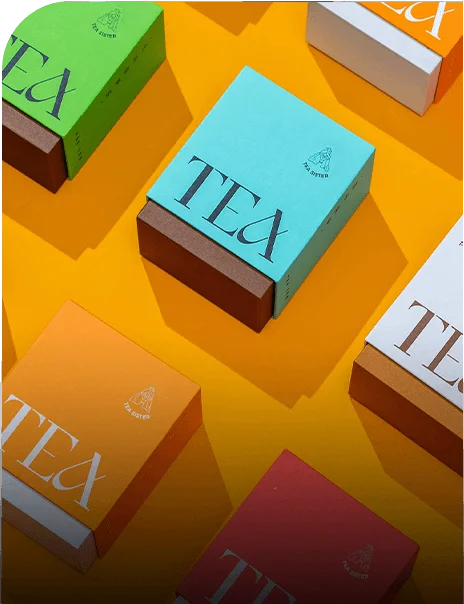
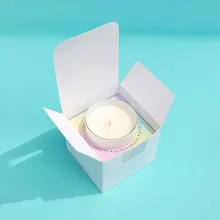
A tuck box is a folding carton with one or more flaps that fold into a panel or slot to close the package. Folding carton means a paperboard package that ships flat and takes shape when folded. A dieline is the flat cutting and scoring template used to show that shape, including cut lines, score lines, glue tabs, and tuck flaps. The term tuck box names a closure family, not one universal construction.
That distinction matters when a quote moves into prepress. The product dimensions, packed orientation, opening direction, board choice, and artwork all belong in the same brief. A wine carton, candle carton, gift carton, and mailer can use tuck language while requiring different dielines.
How do straight tuck, reverse tuck, and auto-lock bottom differ?
Straight tuck closes the top and bottom in the same direction, reverse tuck closes them in opposite directions, and auto-lock bottom uses folded panels that lock into a formed base.
| Style | Construction | Proof checkpoint |
|---|---|---|
| Straight tuck | Top and bottom tuck in the same direction | Opening direction and panel order |
| Reverse tuck | Top and bottom tuck in opposite directions | Opposite flap movement and artwork order |
| Auto-lock bottom | Folded bottom panels form a locking base | Bottom assembly and product entry |
| Roll-end tuck front | Roll-end body with a front tuck closure | Front opening and side structure |
These are standard construction terms, not finished dimensions. The approved dieline still has to show the product, scores, glue area, tuck flaps, and assembled opening.
When should you choose a straight tuck or reverse tuck?
Choose straight tuck when the package needs the top and bottom to close in one direction. Choose reverse tuck when opposite flap directions suit the panel order, opening movement, or packing sequence.
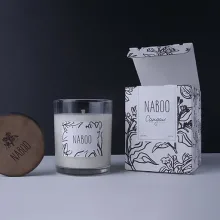
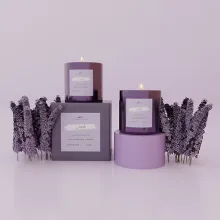
Reverse tuck candle boxes give a product-specific reference for that construction. Wine box packaging gives a different brief, where the front panel, product position, and presentation opening may matter more than the tuck name. Name the construction before artwork is placed.
What does an auto-lock bottom change?
An auto-lock bottom changes the way the base forms during assembly. Folded panels interlock to create the bottom, so the proof needs to show how the product enters and how the finished base sits on a surface.
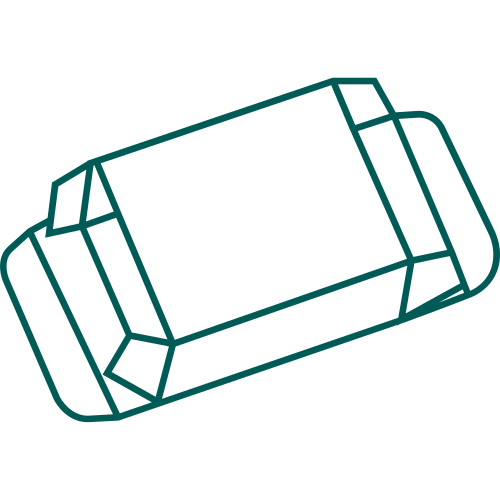
Compare roll-end tuck front boxes when the front opening and side structure need a different treatment. For a longer soft product, hair extension tuck boxes show why the product shape belongs in the structural brief.
Which tuck box fits gifts or direct shipping?
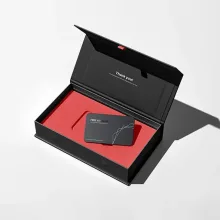
A gift box needs a front panel and opening that suit presentation, while a mailer needs a closure and product fit that suit delivery. The shared tuck vocabulary does not make the two packages interchangeable.
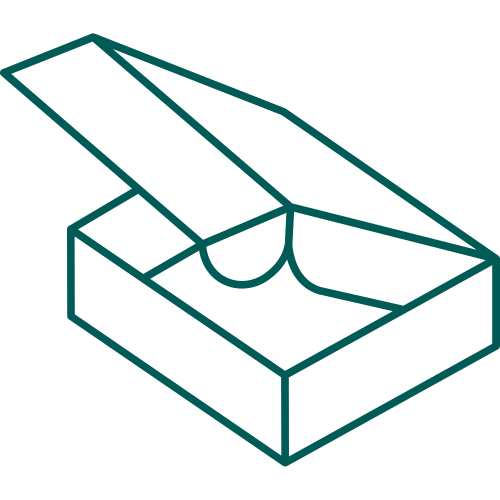
Review one-piece color-tinted kraft tuck-top gift boxes for a gift direction and custom tuck-top mailer boxes for a direct-shipping direction. Put the product, packed orientation, and delivery role on the quote brief.
What should the dieline and proof show?
The dieline and digital proof should show the assembled opening before anything prints. Mark the front, back, sides, top, bottom, glue area, scores, and tuck flaps.
- Provide the product dimensions and packed orientation.
- Identify the panel that faces the customer.
- Keep required copy away from scores and closure panels.
- Show the bottom construction and any internal support.
- Check artwork, material, finish, quantity, and shipping role together.
How much do custom tuck boxes cost and how fast are they made?
The MOQ is 100 units. Pricing is from $0.49 per unit at volume, quoted to spec. Production is typically 8 to 10 business days after proof approval, plus delivery. Free US shipping and free design support are available.
The $19.99 sample kit is credited toward the first order. Use the custom packaging solutions hub when the brief needs a comparison with another structure.
Frequently Asked Questions
What does a tuck flap do?
A tuck flap is the panel that folds into a slot or over a panel to close a folding carton. The flap direction affects which face opens first and how the artwork reads after assembly. A tuck box brief should name the flap direction, product dimensions, and intended opening before the dieline is approved.
Are straight tuck and reverse tuck the same?
Straight tuck and reverse tuck use different flap directions. Straight tuck closes the top and bottom in the same direction, while reverse tuck closes them in opposite directions. That change affects panel order, glue area, artwork placement, and packing sequence, so the requested construction belongs on the quote and digital proof.
What does auto-lock bottom mean?
An auto-lock bottom box uses folded bottom panels that lock into a formed base during assembly. The supplier still needs the product dimensions, packed orientation, carton material, and loading sequence to draw the dieline. Confirm the assembled base on the proof before approving the run.
Can tuck boxes be used for gifts or mailers?
Tuck boxes can work as gift or mailer packages when the chosen construction fits the product and handling plan. Gift boxes often focus on the front panel and opening presentation, while mailer boxes need a closure that works for delivery. Product dimensions and shipping role determine the proof.
What are the order terms for custom tuck boxes?
Custom tuck boxes have a 100-unit MOQ. Pricing is from $0.49 per unit at volume, quoted to spec, and production is typically 8 to 10 business days after proof approval, plus delivery. Free US shipping, free design support, and a $19.99 sample kit are available.