































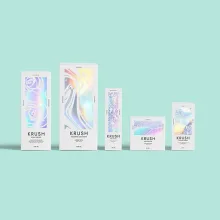


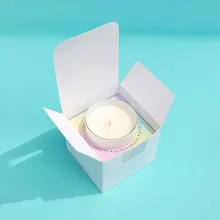






































Bronzer packaging starts with the compact, pan, palette, or container that the box must hold. The package needs a defined cavity, a clean opening, and enough uninterrupted panel space for the shade name and product line. Measure the component, then decide if the package should present the compact directly, carry an insert, or sit inside a sleeve or rigid box. A carton drawn from the product will close better than one borrowed from a generic cosmetic template.
What does bronzer packaging need to protect and present?
Component geometry sets the cavity, panel size, and closure before the artwork gets polished. A small compact may fit a folding carton with a defined front panel, while a broader palette may need a sleeve, insert, drawer, or rigid base. If the product has a separate lid or pan, record the clearance and orientation instead of relying on the word bronzer. The package should be sized from dependable component information and the intended display position.
| Packaging direction | Common structure reference | Useful planning focus |
|---|---|---|
| Folding carton | Straight tuck end or reverse tuck end | Compact fit, opening, front panel, and bleed |
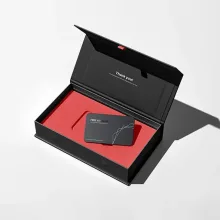
| Rigid presentation box | Two-piece rigid or magnetic flap | Base support, lid relationship, insert, and surface |
| Sleeve or drawer | Outer sleeve with inner component or tray | Pull direction, lift point, and logo placement |
| Opening-led carton | Perforated paperboard structure | Access point, tear path, and panel continuity |
Which structure fits a bronzer line?
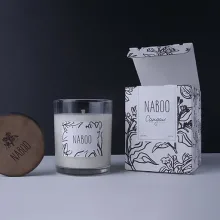
Straight tuck end and reverse tuck end cartons suit printed panels with a defined closure. A two-piece rigid box separates the base and lid, while a magnetic flap or drawer changes the opening motion. A sleeve can surround an inner package when the inner component already carries the support. Choose the structure after confirming the compact, the desired opening, and whether the package stands alone or works with an insert.
How should I plan the dieline around a compact?
Inside length, width, and depth should follow the compact's loaded orientation, not the outside face of the finished carton. A dieline is the flat cutting template used to print, crease, and cut the package. Mark the compact, pan, lid clearance, insert, folds, seams, glue areas, and artwork-safe zones. About 1/16 in, or 1.5 mm, is a common tolerance reference, subject to the selected board and structure. Low-resolution art, RGB files that shift during press conversion, missing bleed, and type too close to a score should be corrected before the proof.
Which board materials are commonly considered?
Board caliper controls stiffness, fold behavior, edge feel, and how the compact sits in the finished package. SBS, C1S, or C2S paperboard in the 12 to 24 pt range is a common folding-carton reference. Kraft board commonly falls in the 18 to 24 pt range and gives the package a different base tone. For a more structured presentation, rigid chipboard in the 1.5 to 3 mm range can be wrapped in 100 to 157 gsm art paper. Match the board to the finished size, closure, insert, and surface treatment.
Which finishes suit a shade-led brand system?
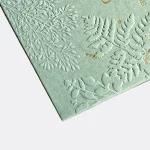
Print method should follow artwork detail, quantity, and board surface. Offset CMYK is common for detailed paperboard artwork, while digital printing is commonly considered for short runs or multiple artwork versions. Matte or gloss lamination changes reflection. Soft-touch changes the hand feel. Spot UV is a clear glossy coating placed on selected areas, while foil stamping, embossing, and debossing create contrast when the substrate and folds allow them. Mark each treatment as its own artwork layer and keep it away from folds, closures, seams, and insert contact.
When would a bronzer package use a window?
A window earns its panel space when the compact, shade, or container should be visible before opening. PET window material in the 0.2 to 0.3 mm range is a common reference for window patching. Plan the window with the trim, fold, glue area, insert, and logo panel, because a large cutout can interrupt both the structure and the brand copy. If visibility is not part of the job, a closed printed panel gives the artwork more uninterrupted room.
Which product references can I use?
Use the private-label packaging page to frame a coordinated brand system. Compare wax packaging when the package needs a small component and closure-oriented presentation, and review perforated packaging when controlled opening is part of the experience. These pages are format references. The bronzer component, shade presentation, insert, dimensions, and artwork determine the final construction.
What should I send before a bronzer packaging proof?
A workable proof brief includes the physical component and the art file, not only a product name. Send dependable measurements, the inside fit, clearance, opening, lid relationship, insert, and display orientation. Share the logo, shade copy, color direction, and panel priorities, then mark folds, seams, glue areas, closure zones, and surfaces that must stay clear. Identify any board, rigid wrap, sleeve, window, perforation, or finish preference before the dieline is drawn.
CPL quotes bronzer packaging to spec from a 100-unit minimum, with pricing from $0.49 per unit at volume. Production is typically 8 to 10 business days after proof approval, plus delivery. Free US shipping, free design support, and a free dieline are available. Order the $19.99 sample kit, credited to the first order, then send the finished brief through custom packaging design.
Frequently Asked Questions
Does a bronzer carton need an insert?
A bronzer carton needs an insert when the compact, pan, or palette can shift inside the package or needs a defined presentation position. The insert should match the component shape, lid clearance, opening sequence, and display direction. If the component already stays secure inside the carton, the package may need only the correct cavity and closure.
What is the difference between a folding carton and a rigid box for bronzer?
A folding carton is creased paperboard that folds into shape, while a rigid box uses chipboard to hold a fixed base and lid. Folding cartons give printed panels with a lighter structure. Rigid boxes create a deeper base and a different opening motion. Choose after checking fit, insert needs, display position, and the package's handling role.
What does 1/16 inch tolerance mean on a cosmetic box?
About 1/16 inch, or 1.5 mm, is a common tolerance reference for planning fit around a compact or insert. It is not a universal final clearance. Board caliper, folds, glue areas, closure movement, and the product itself affect the finished fit, so the loaded structure should be checked before the artwork is released.
What is PET window material used for?
PET window material is a clear plastic patch used when a buyer should see the compact, pan, or shade before opening. A common reference range is 0.2 to 0.3 mm. The patch needs room around trim, folds, glue areas, inserts, and logos. A closed printed panel may be better when visibility would reduce artwork space.
Which finishes can carry a shade name or logo?
Matte or gloss lamination changes reflection, soft-touch changes hand feel, and spot UV adds a selected glossy area. Foil stamping, embossing, and debossing can give a shade name or logo a different surface effect. Keep each treatment away from folds, seams, closures, and insert contact points, then review it on the actual structure.