






























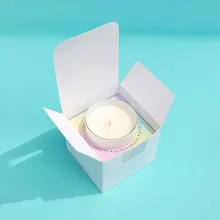
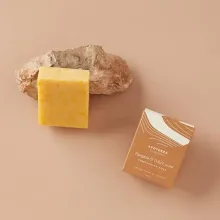





































Bud packaging is a broad label for a small botanical product, a flower bud, a seed-related item, or another compact product. The package brief has to name the physical contents, because fresh and dry products can need different handling, light exposure, scent control, and visibility decisions. State the packed dimensions, filled weight, closure, display position, and any current packaging or labeling requirements before the artwork is final. If contents are regulated, confirm the applicable requirements for the market before the dieline is locked.
What should bud packaging protect?
The contents' condition decides whether the package should show, conceal, seal, or support them. Record shape, fragility, scent, light sensitivity, product state, and the way the pack will sit on display. A small flower bud, seed-related item, or dry botanical product may point to a different structure than a fresh item. State the packed dimensions and closure before choosing the visual direction, since an upright pouch, carton, sleeve, or rigid box changes the handling path.
Which materials work for bud packaging?
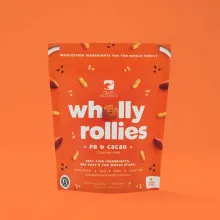
Stand-up pouches commonly run about 3 to 7.5 in wide, while cartons and rigid boxes change the handling profile. Mylar or foil laminates can combine PET, AL, and PE layers: PET forms the printable outer film, AL supplies the metallic barrier layer, and PE provides the sealable inner layer. A PET window around 0.2 to 0.3 mm can show the product when visibility is part of the presentation. For cartons, SBS, C1S, or C2S paperboard commonly falls in the 12 to 24 pt range. Rigid chipboard is commonly 1.5 to 3 mm thick and can be wrapped in 100 to 157 gsm art paper. Kraft paper changes the visual direction, while a paperboard sleeve adds a branded layer around an inner pack.
| Packaging direction | Common material or structure | Useful when | Primary decision |
|---|---|---|---|
| Stand-up pouch | PET, AL, and PE laminate layers | The pack needs a flexible upright format | Set seal, gusset, and visibility |
| Window carton | 12 to 24 pt paperboard with 0.2 to 0.3 mm PET | The contents should be seen on shelf | Keep the patch clear of folds and glue flaps |
| Rigid presentation box | 1.5 to 3 mm chipboard with art paper wrap | The box needs a fixed presentation shape | Plan tray, lid, and insert together |
| Paperboard sleeve | SBS, C1S, or C2S board | An inner pack needs a branded outer layer | Set overlap and artwork reading order |
Which structure matches the product experience?
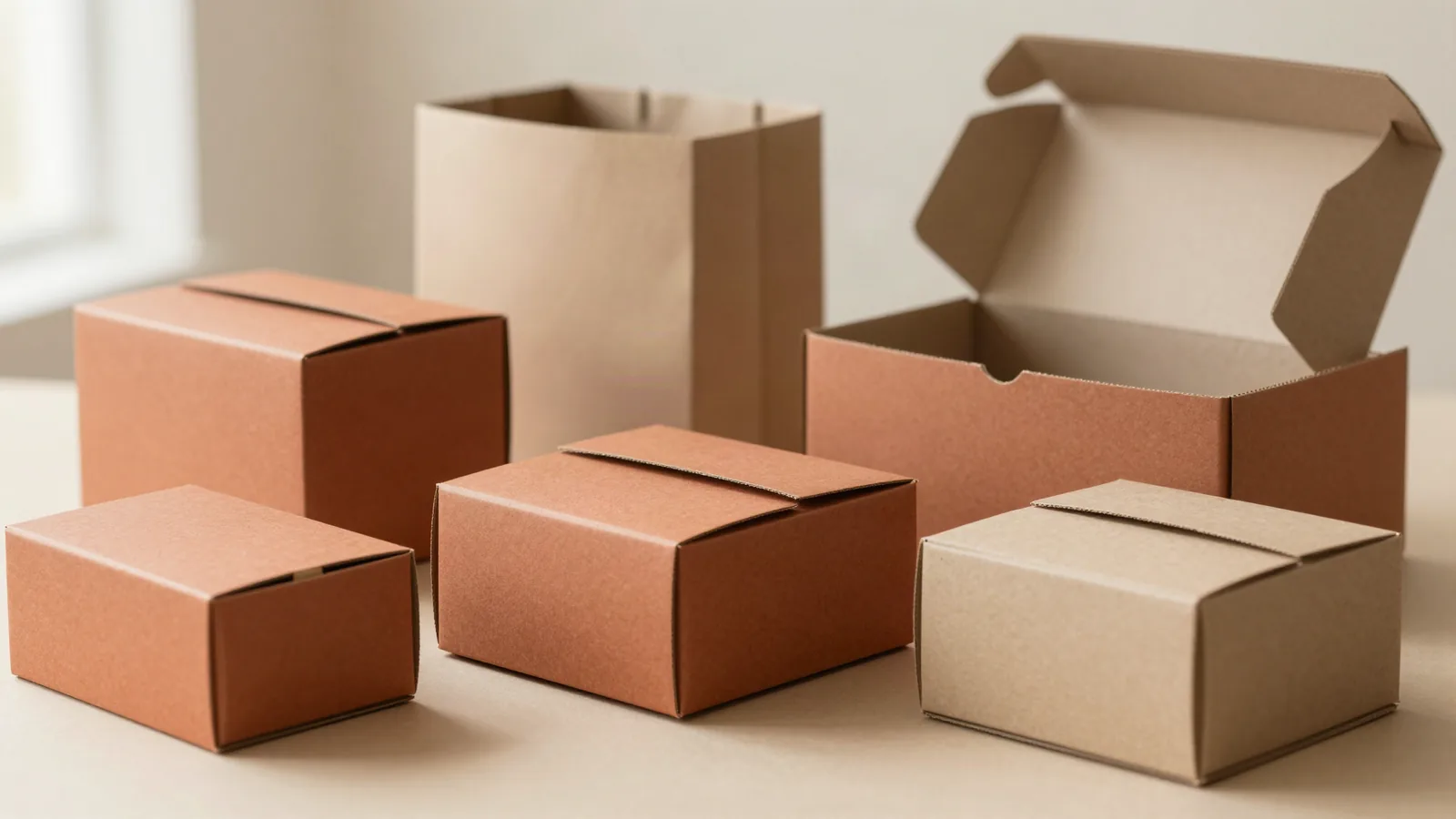
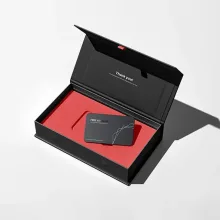
A stand-up pouch puts a flexible pack upright, while a sleeve wraps a tray or inner carton instead of carrying the full product load. A pillow pouch creates a simple flexible profile. A drawer or slide, magnetic flap, or two-piece rigid structure changes the opening motion and the amount of support needed. A perforated panel can create a controlled opening or repeatable display interaction when the substrate and product allow it. Compare the format by the job it must do, not by the product name alone.
How should a bud package handle light, air, and visibility?
A clear window gives shelf visibility, while an opaque film or foil layer blocks the view and changes the package message. In a Mylar or foil laminate, the AL layer sits between film and seal layers, so it changes light exposure and the way the pack presents the contents. For a pouch, reserve the top seal, tear area, and gusset in the dieline. For a carton, use inside measurements for the product cavity and allow about 1/16 in, or 1.5 mm, as a common planning tolerance. Keep the PET patch away from score lines, fold points, and adhesive flaps. A physical sample settles questions that a flat artwork file cannot answer.
Which print and finish choices fit bud packaging?
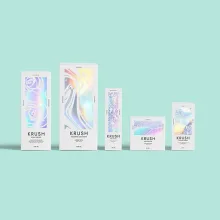
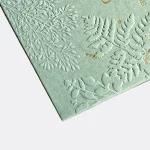
Offset CMYK suits detailed carton graphics, while digital print is commonly considered for short runs or multiple artwork versions. Matte or gloss lamination changes reflection. Soft-touch changes hand feel. Spot UV can direct attention to a logo or pattern, while foil stamping, embossing, and debossing add contrast when the substrate and bend points allow them. A quiet matte panel can give a selected mark more contrast. Keep required product information readable and separate from decorative texture, windows, folds, and seals.
Which catalog references fit a bud packaging brief?
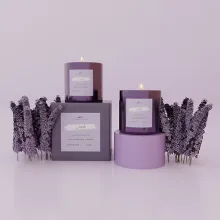
Catalog references become useful after the product profile is clear. Wax packaging can inform a compact product presentation. Seed packaging is useful when the pack needs a small-format information panel. Private label packaging can frame a cohesive identity across multiple products, while perforated packaging can guide an opening or display feature. These pages show format directions; the actual product, barrier, closure, dimensions, and artwork determine the construction.
How do I request a bud packaging quote?
A useful quote request lists the product condition, packed dimensions, filled weight, closure, visibility preference, artwork status, and display or shipping context. A dieline translates those details into a flat structure, so include the pack-out orientation and any current labeling requirements. For artwork and format planning, start with custom packaging design.
Custom Packaging Lane quotes bud packaging to spec from a 100-unit minimum, with pricing from $0.49 per unit at volume. Production is typically 8 to 10 business days after proof approval, plus delivery. Free US shipping, free design support, and a free dieline are available. Order the $19.99 sample kit, credited to the first order, when you want to compare pouch films, paperboard surfaces, windows, or finishes.
Frequently Asked Questions
How wide is a typical stand-up pouch for bud packaging?
Stand-up pouches commonly run about 3 to 7.5 inches wide. The filled product profile matters more than the empty film width, because the gusset, seal area, tear feature, and product depth change the finished shape. Measure the packed contents first, then place the graphic panel and closure on the dieline.
What do PET, AL, and PE mean in a pouch laminate?
PET, AL, and PE describe common layers in a flexible laminate. PET can carry the printable outer surface, AL is the metallic barrier layer, and PE forms the sealable inner layer. The layer order affects print, light exposure, sealing, and how the package feels. Confirm the intended product condition before selecting the film structure.
Is a clear window right for bud packaging?
A clear PET window can work when the product should be visible before opening. A common PET reference is 0.2 to 0.3 mm. Visibility also exposes the contents to the viewing environment and takes space away from printed panels, so place the patch away from folds, glue flaps, seals, and required product information.
What is the difference between a pouch and a sleeve?
A stand-up pouch carries the product in a flexible sealed format and can present an upright front panel. A sleeve wraps an inner carton, tray, or pack, so the inner package handles more of the product support or closure work. Choose between them after reviewing the product profile, opening motion, display position, and barrier needs.
How should regulated contents affect a bud packaging brief?
Regulated contents require the current packaging and labeling requirements for the intended market to be confirmed before final artwork. Keep required information readable and separate from folds, seals, windows, and decorative texture. The product condition, closure, barrier, display position, and distribution route should all appear in the brief before the dieline is locked.