

















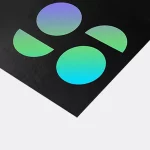





























RGB is a screen color model made from red, green, and blue light. CMYK is a print color model made from cyan, magenta, yellow, and black ink. A substrate is the material being printed. A CMYK profile is the conversion reference that maps color values to a print process and substrate. A digital proof is the package artwork version sent for approval before printing. No profile preserves every glowing screen color, so a controlled file and approval record matter more than a promise of an identical match.
What does a CMYK profile control in packaging print?
A CMYK profile controls how RGB values are translated into process ink values for the selected print process and substrate. There is no universal profile for every package, because ink, material, finish, and press conditions change the result. Use the profile specified for the job, and ask for the production reference when it is not supplied.
| Job record | Production role | What to preserve |
|---|---|---|
| RGB source artwork | Original design reference | Unconverted source file |
| CMYK profile | Color translation reference | Profile selected for the job |
| Digital proof | Package-specific visual check | Version sent for approval |
| Surface and finish | Viewing context for printed color | Intended package construction |
| Approval note | Closes the color decision | Requested changes and approved version |
How does a digital proof resolve a color disagreement?
A digital proof resolves a color disagreement by giving the buyer a defined package version to check before printing. CPL sends a digital proof before anything prints. Compare the logo, dominant background, product name, variant colors, and contrast areas in the actual layout.
Describe the requested change in production terms. Darker, less saturated, warmer, cooler, or more distinct from nearby type gives the check a direction. More like the screen does not identify what must change, so it leaves the decision open.
Which artwork records should stay together?
Keep the RGB source, converted production file, selected profile, digital proof, color notes, and approval decision together. The group should show which version entered proofing and what changed after each round.
This record matters when several package panels or product variants share artwork. If a designer changes a gradient, photograph, background, or logo color, the new file can return to the same profile and proof process. That keeps an intentional color change separate from a file mismatch.
Why should color be judged on the package instead of a monitor?
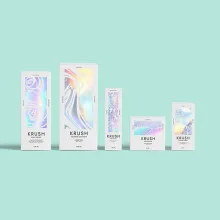
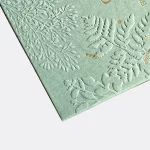
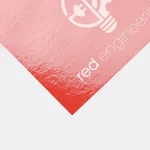
Color should be judged on the package because folds, edges, material texture, and finish sit beside the ink. Matte lamination scatters reflected light, gloss lamination creates stronger reflections, spot UV creates a localized gloss area, and foil adds a reflective layer. Those surface effects change how a color is read.
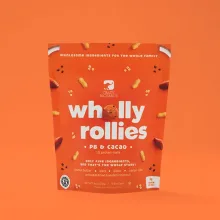
Check large solid fields and small type together. A color that looks balanced in a flat artboard can lose contrast when it wraps around a fold or sits beside a different panel. The digital proof should represent the intended package presentation, not only a row of swatches.
How should I request a color change after proofing?
Request a color change by naming the panel, object, current appearance, and desired direction. State whether the problem is recognition, product separation, readable contrast, or package balance. That gives the print check a concrete correction instead of a general request to make the color better.
Keep the approved and unapproved versions separate. Do not replace the source file after a color correction. The next proof should make the change easy to identify and compare with the previous decision.
Which packaging products help frame the color check?
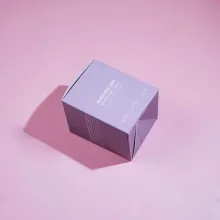
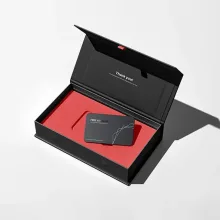
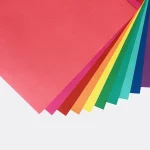
Use one-piece color-tinted kraft tuck-top gift boxes as a reference when the package surface contributes to the visual result. Hair color boxes are a relevant reference when product variants rely on clear shade and name separation. The hair color box format gives another package context for checking repeated colors before approval.
What should I send for CPL color support?
Send the RGB source, CMYK working file, selected profile if one has been supplied, package format, surface and finish direction, and a note naming the colors that need the closest check. CPL's custom packaging design support includes free design support for organizing the file handoff.
The MOQ is 100 units. Pricing is from $0.49 per unit at volume, quoted to spec. Production is typically 8 to 10 business days after proof approval, plus delivery. Free US shipping is available. The $19.99 sample kit can give the color discussion a physical material reference before final approval.
Frequently Asked Questions
Is there one CMYK profile for every package?
There is not one CMYK profile for every package. The profile is a conversion reference for a print process and substrate, and the selected ink, material, and finish affect the result. Use the profile specified for the job, keep it with the artwork, and ask for guidance when no production reference has been supplied.
What is the difference between a proof and a monitor preview?
A monitor preview is a backlit screen view, while a digital proof is the package artwork version presented for approval before printing. The proof gives the buyer a defined layout, surface direction, and color decision to approve. Compare the logo, background, product name, and contrast areas in that package context.
Which color changes should I write into the job record?
Write the panel, object, current appearance, desired direction, and reason for every important color change. State whether the change protects logo recognition, product separation, readable contrast, or package balance. Keep the request with the RGB source, CMYK working file, selected profile, proof version, and approval decision.
How do matte and gloss finishes affect color checking?
Matte lamination scatters reflected light, while gloss lamination creates stronger reflections. Spot UV adds a localized gloss area, and foil adds a reflective layer. These surfaces can change how printed color is read, so check the intended finish with the package layout instead of relying only on a screen preview.
Can CPL help prepare RGB artwork for packaging print?
CPL offers free design support for packaging artwork. Send the RGB source, CMYK working file, package format, selected profile if supplied, surface direction, and color priorities. The MOQ is 100 units, pricing is from $0.49 per unit at volume, quoted to spec, and production is typically 8 to 10 business days after proof approval, plus delivery.