



























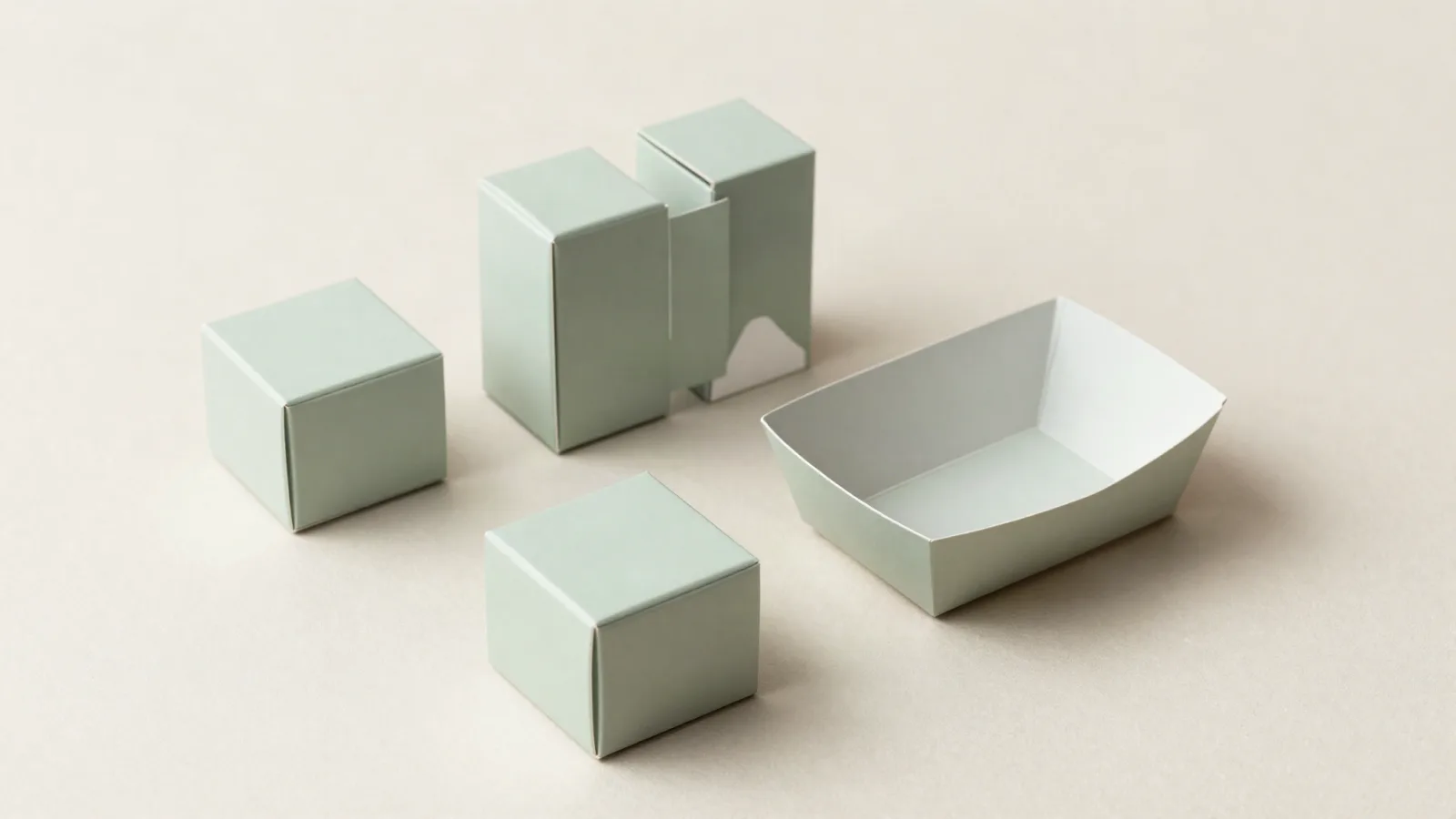



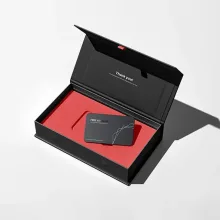
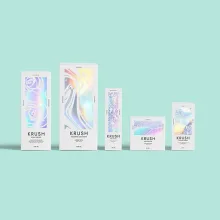
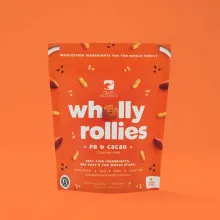
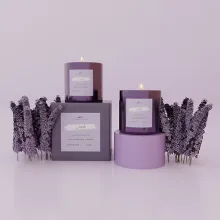
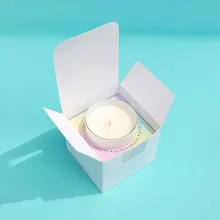
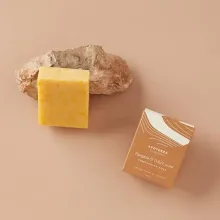






































Cosmetic box sizes make sense only after the filled product and its presentation position are recorded. A container class describes the item entering the package. The carton or outer format describes the space around it. A compact tin, a slim tube, a display carton, and a supported set can sit in the same cosmetic category while needing different proportions, clearances, and openings.
What does a cosmetic box size chart measure?
A cosmetic box size chart should classify the container, the package role, and the measurements needed for the assembled format.
| Cosmetic size class | Typical package role | CPL catalog match | Dimension record |
|---|---|---|---|
| Compact container | Single tin, jar, or small product presented on its own | Embossed tin box | Container footprint, lid clearance, and label-facing direction |
| Slim vertical product | Tube-led format for a narrow or tall item | Custom cosmetic paper tubes | Product height, closure, opening, and usable print surface |
| Retail carton | Branded outer package for shelf or counter presentation | Custom cosmetic display boxes | Front face, shelf footprint, and product removal path |
| Supported packout | Container or set that needs a defined interior position | Custom foam box inserts | Cavity outline, insert height, and clearance under the closure |
| Spouted flexible format | Liquid or semi-liquid product using a pouch presentation | Cosmetic spout pouch | Spout position, seal area, fill zone, and display stance |
These are package classes, not universal carton dimensions. The product itself still controls the final inside space. Keep the container record and the outer package record separate from the first sketch.
How is a container size different from a carton size?
A container size describes the filled product package, while a carton size describes the space around that package. The carton must account for the cap, pump, applicator, label, insert, loading path, and closure movement. A short bottle with a tall pump can need more inside height than the bottle body suggests.
Measure the complete product first. Record the widest point, the tallest assembled point, and the surface that should face the customer. Then set the carton dimensions around that record. This keeps the proof honest when the package opens, closes, or sits in a display position.
Which product details change a cosmetic box size?
Closure height, container width, shoulder shape, label wrap, and pack count can move a product into a different packaging class.
- Measure the product with its final cap, pump, applicator, or lid.
- Record the widest point and the tallest assembled point.
- State whether the label wraps around the container or uses one front panel.
- Identify whether the package holds one product, a pair, or a set.
- Note whether the customer sees the container before opening.
These details belong in the dimensional brief before artwork is placed. A set may need separate wells or a tray even when each item is compact. A jar may need lid clearance above the body, while a tube may need a longer printed surface than its contents suggest.
How does presentation position affect cosmetic packaging dimensions?
Presentation position changes which panel, footprint, and opening the package needs. A shelf-facing carton needs a readable front and a stable base. A counter package may be opened from above. A gift set may need a reveal order that keeps several products visible as the lid or tray moves.
Choose the display position before final artwork. A logo placed on the wrong face can disappear behind a tray, fold, window, or product orientation. If the outside carton also travels to the customer, record whether it is the presentation package or only the shipping layer.
When does a cosmetic package need an insert?
A cosmetic package needs an insert when the product or set requires a defined interior position. An insert can hold a container upright, separate several products, or create a planned reveal when the package opens. The cavity should follow the finished product and leave enough clearance for loading and removal without letting the item shift inside the box.
Record the cavity outline, insert height, closure clearance, and product-facing direction. Foam, board, and paper structures behave differently when compressed, so the assembled package should be checked before artwork is approved. The insert also changes the usable space inside the carton, even when the outside dimensions stay the same.
What should a cosmetic packaging request include?
A cosmetic packaging request should include filled container dimensions, closure, label status, pack count, package class, artwork, finish, quantity, and delivery destination. The MOQ is 100 units. Pricing may be from $0.49 per unit at volume, quoted to spec. Production is typically 8 to 10 business days after proof approval, plus delivery. Free US shipping and free design support are available.
The $19.99 sample kit can help compare material and finish direction before proof approval. Use custom packaging solutions after the container class and presentation position are clear. Send the complete product assembly, not only the bottle body.
Frequently Asked Questions
What should a cosmetic box dimensions chart show?
A cosmetic box dimensions chart should show the container class, package role, catalog format, and measurements needed for the assembled product. Record the container, cap, pump, applicator, lid, label, insert, and display position. Those fields make the chart useful without pretending that one carton fits every cosmetic item.
Can a cosmetic product use a paper tube instead of a box?
A cosmetic product can use a paper tube when a slim or vertical presentation fits the product. Custom cosmetic paper tubes need their own record for product height, closure, opening, interior clearance, and usable print surface. Treat the tube as a separate package class instead of applying folding carton dimensions to it.
When should cosmetic packaging include an insert?
Cosmetic packaging should include an insert when a container or set needs a defined interior position. The insert cavity, height, product orientation, and closure clearance must follow the finished assembly. A foam box insert can separate products or hold one container upright, but the assembled package still needs a proof check.
Does the closure change cosmetic box dimensions?
A cosmetic closure can change the required box dimensions because a pump, cap, applicator, lid, or spout may extend beyond the product body. Measure the complete assembled product, including the closure, then record the customer-facing side. The outer package should follow that complete configuration rather than the container body alone.
What commercial terms apply to cosmetic packaging?
Custom cosmetic packaging projects use a 100-unit MOQ, and pricing may be from $0.49 per unit at volume, quoted to spec. Production is typically 8 to 10 business days after proof approval, plus delivery. Free US shipping, free design support, and a $19.99 sample kit are available for early format comparison.