




























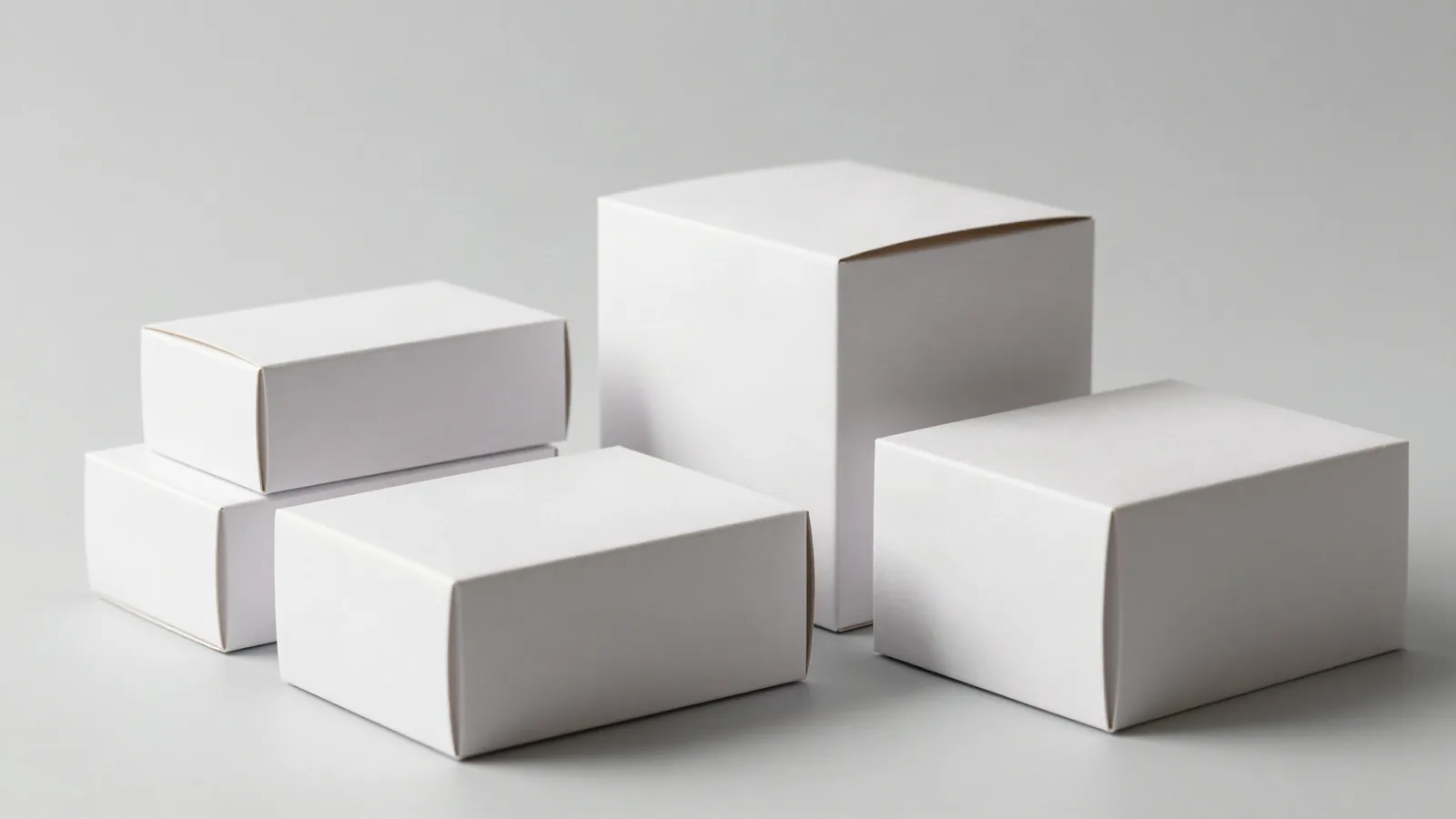




















































A crash lock bottom box has a pre-glued folding base. When the flat carton is opened, the glued panels and locking tabs fall into position, so the packer does not build the bottom from separate tucks. That makes the base part of the packing-station decision. Product weight, box dimensions, board caliper, glue placement, and the top opening still need to be checked together.
When should I choose a crash lock bottom box?
A stable base and a repeatable opening motion are the main reasons to compare this structure. A crash lock bottom can reduce bottom assembly at the bench, but it is not a substitute for a filled sample. Test the box with the actual product, then check whether the operator can open, fill, close, and move it without catching a tab or forcing a score.
The dieline is the flat cutting template for the carton. It should show cuts, scores, glue flaps, locking panels, bleed, and safe artwork zones. Draw it from the product envelope, which is the space occupied by the packed item, including wrap or an insert. The bottom lock should be checked in folded form before the graphic file is finalized.
What materials and board ranges suit this structure?
| Material or process | Typical industry reference | Practical check |
|---|---|---|
| SBS, C1S, or C2S paperboard | 12 to 24 pt | Caliper against folds, print coverage, and base fit |
| Kraft board | 18 to 24 pt | Natural surface, ink contrast, and crease behavior |
| Offset printing | CMYK | Fine detail, color coverage, and panel alignment |
| Surface finish | Matte or gloss lamination | Reflection, friction, and fold placement |
SBS is solid bleached sulfate, C1S is coated one side, and C2S is coated two sides. Caliper means board thickness. A thicker sheet can stiffen the base, but it also changes the score depth, fold radius, glue contact, and available interior space. Soft-touch, spot UV, foil stamping, embossing, or debossing should be mapped after the base works.
How does a crash lock bottom compare with other closures?
Straight tuck end and reverse tuck end cartons close with tuck flaps, while a crash lock bottom changes the base assembly. An auto-lock bottom also uses interlocking geometry, but its fold pattern is different. A mailer, such as a roll end tuck top commonly linked with FEFCO 0427, changes the outer opening and parcel experience. Compare the actual folds and pack-out, not only the structure name.
Custom snap lock bottom boxes are a nearby closure reference. Wine box packaging can help compare a tall product cavity, and shoe box packaging gives a wider carton reference. When the item needs interior organization, review custom foam box inserts with the outer box dimensions instead of adding the insert after the box has been sized.
What dimensions and packing details should I confirm?
Write finished dimensions as inside length x width x depth or outside length x width x depth. About 1/16 inch, or 1.5 mm, is a common planning tolerance. Measure the product, protective wrap, and insert as one packed unit. Check the bottom lock with the intended load, especially when the product is dense, tall, or removed and replaced repeatedly.
- Record the product envelope, orientation, and clearance at the top and bottom.
- State whether the box is opened and filled by hand or at a repeatable packing station.
- Keep type, barcodes, and other critical artwork clear of scores, glue panels, and locking tabs.
- Choose the finish after checking friction at the folds and contact points.
- For food-related packaging, ask about food-contact options for your product.
How do I request a crash lock bottom box quote?
Send the product dimensions and weight, packed arrangement, quantity, opening style, board preference, artwork status, finish direction, insert needs, and delivery location. Include a photo or drawing when the product has a cap, protrusion, or fixed orientation. These details give the dieline and fit check something concrete to work from.
Custom Packaging Lane quotes crash lock bottom boxes from a 100-unit minimum, with pricing from $0.49 per unit at volume, quoted to spec. Production is typically 8 to 10 business days after proof approval, plus delivery. Free US shipping and free design support are available, and a free dieline is drawn from the product details. The $19.99 sample kit is credited toward the first order. Begin with the custom packaging solutions hub when you are ready to define the structure and proof.
Frequently Asked Questions
What is the main advantage of a crash lock bottom box?
The glued base folds into a locked position when the carton opens, so the packer can avoid building a separate tuck bottom at the bench. The practical benefit depends on the product load, board caliper, glue pattern, and score geometry. A filled sample is the right check for base stability and easy product insertion.
Is a crash lock bottom stronger than a tuck bottom?
A crash lock bottom is not automatically stronger than a tuck bottom. Strength changes with board thickness, panel geometry, glue, product weight, and how the filled carton is handled. Compare the actual closed base under load, then inspect opening, removal, and repeated handling before selecting the structure for a packing line.
Can crash lock cartons use specialty finishes?
Crash lock cartons can use offset CMYK with matte or gloss lamination, soft-touch, spot UV, foil stamping, embossing, or debossing. Each finish needs a mapped location because scores, folds, glue areas, and locking tabs can affect the surface. Check the finished fold lines and high-friction contact points in the sample.
How should I measure a crash lock bottom carton?
State inside or outside length x width x depth, then include the product, wrap, insert, and clearance in the fit check. About 1/16 inch, or 1.5 mm, is a common planning tolerance. Test the actual carton because the locking base and fold pattern change usable space after assembly.
What should be included in a crash lock box quote request?
A crash lock box quote request should include product dimensions and weight, packed arrangement, quantity, opening style, board preference, artwork status, finish direction, insert needs, and delivery location. Also state whether packing is hand-filled or station-based. A product photo or drawing helps show protrusions, orientation, and clearance.












