





























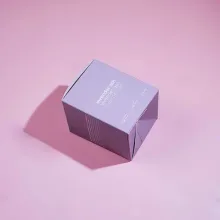
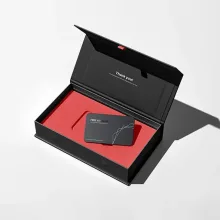

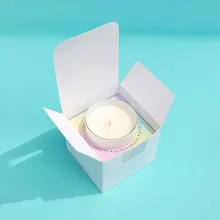
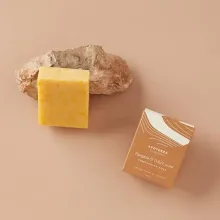





































A custom box sample earns its place before production by exposing problems while the structure can still change. Check the actual product inside it, not an empty mockup on a desk. Fit, opening motion, panel placement, and surface treatment all look different once the box is folded and packed.
What should a custom box sample help me check?
Fit is the first check: the product should sit securely without pressure at the corners or unnecessary movement. A dieline is the flat cutting template used to print and cut the box. Send the product's packed length x width x depth, including any wrap, insert, label, or accessory that stays inside. A common planning tolerance is about 1/16 in (1.5 mm), so test the assembled sample with the complete pack-out.
Look at the opening from the packer's side and the recipient's side. A product that drops out when the lid opens needs a different interior arrangement from one that must stay upright. If an insert is part of the job, custom foam box inserts give you a physical way to check the cavity, product movement, and removal force.
Which construction details should I inspect first?
Closure and product position deserve the first hands-on test because they expose structural mistakes before decoration distracts from them. Fold the sample several times. Check whether tabs engage cleanly, whether a tuck resists opening, and whether glue tabs sit where the product or artwork will not interfere.
| Sample check | What to inspect | Why it matters |
|---|---|---|
| Fit | Clearance around the product and insert | Prevents movement, crushing, or a difficult pack-out |
| Closure | Tab engagement and opening force | Shows whether the structure works repeatedly |
| Panels | Seams, folds, and artwork alignment | Reveals dieline or registration issues |
| Surface | Color, coating, and tactile feel | Confirms the visual direction under real light |
Common folding-carton structures include straight tuck end, reverse tuck end, and auto-lock bottom. A roll end tuck top mailer, commonly associated with FEFCO 0427, wraps around the product with a separate lid and side panels. Check the front panel, the score lines, and the mailer's packed dimensions before approving the structure.
How do board, print, and finish change the sample?
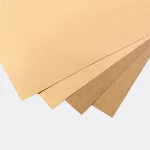
Board caliper changes the fold, edge feel, closure force, and way the box holds its shape. SBS, C1S, and C2S paperboard commonly fall in the 12 to 24 pt range. Kraft board commonly falls in the 18 to 24 pt range. These are general trade ranges, so the sample should identify the board family and caliper being checked rather than relying on a photograph.
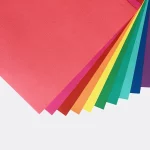
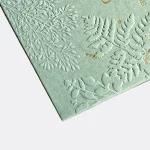
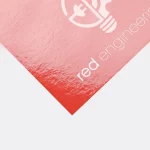
Offset CMYK is a common choice for detailed folding-carton artwork. Matte or gloss lamination changes glare and color perception. Soft-touch adds a low-gloss surface with a different hand feel. Spot UV, foil stamping, embossing, and debossing need a placement check, especially near scores, folds, glue areas, and small type. Ask us about food-contact options for your product if the package will touch food.
When the product needs a different footprint or closure, compare the physical logic with shoe box packaging or wine box packaging. The comparison should focus on fit, lid movement, panel size, and how the product is held, not on copying a reference box by appearance.
How should I test the sample before approving a proof?
Pack and unpack the actual product more than once, then inspect the corners, scores, glue areas, and closure. Put the packed sample on a shelf, in the intended display orientation, and inside its shipping carton. If the box will travel as a parcel, check the packed dimensions because US ground dimensional weight uses L x W x H / 139.
- Use the actual product, insert, label, and accessory set.
- Record inside measurements and mark pressure points.
- Check the opening sequence with the hand that normally opens it.
- Inspect low-resolution art, RGB color conversion, bleed, small type, and barcode placement before proof approval.
A barcode that scans on screen may fail after it is reduced or placed too close to a score. Type set over a fold can become hard to read. Those problems belong in the proof review, not on a pallet.
What is the practical ordering path?
The clock starts at proof approval, so send product dimensions, quantity target, artwork direction, and preferred structure before the dieline is drawn. We draw the dieline from the real pack-out, then send a digital proof before anything prints. Order the packaging sample kit to compare board, closures, and finishes, and use custom packaging design when the structure needs more planning.
Custom Packaging Lane quotes to spec from a 100-unit minimum, with pricing from $0.49 per unit at volume, quoted to spec. Production is typically 8 to 10 business days after proof approval, plus delivery. Free US shipping, free design support, and a free dieline are part of the process. The $19.99 sample kit is credited to the first order. Approve the digital proof only after the sample, artwork, and fit checks agree.
Frequently Asked Questions
Is a custom box sample the same as a production run?
No. A custom box sample checks the proposed structure, dimensions, artwork placement, and finish before the production quantity is made. Sampling can use a different process from the final run, so confirm the production proof for the exact board, print method, coating, and finishing details. The sample's job is to expose fit and handling problems early.
What measurements should I send for a box sample?
Send the packed product's length, width, and depth, plus any insert, wrap, label, or accessory that occupies space. Inside measurements control fit. A common planning tolerance is about 1/16 in (1.5 mm), but the assembled sample should still be checked with the complete product arrangement and closure.
Which box structures can be sampled?
Common structures include straight tuck end, reverse tuck end, auto-lock bottom, crash-lock, roll end tuck top mailer, sleeve, two-piece rigid, drawer or slide, and magnetic flap. The right structure depends on product shape, opening motion, protection, and presentation. Check the folded sample rather than choosing from a flat drawing alone.
Can finishes be checked on a sample?
Yes. A sample can check matte or gloss lamination, soft-touch, spot UV, foil stamping, embossing, debossing, and window patching when those treatments fit the structure. Inspect the surface under the lighting where the package will be seen, then check glare, tactile feel, contrast, registration, and the effect of folds on the decorated area.
What should I do if the sample does not fit?
Pause approval and photograph the product inside the sample. Record whether the issue is clearance, insert position, closure force, panel size, or a fold line. Share the inside measurements and the complete pack-out so the dieline can be adjusted. Check the revised proof with the same product and accessories before production.