




























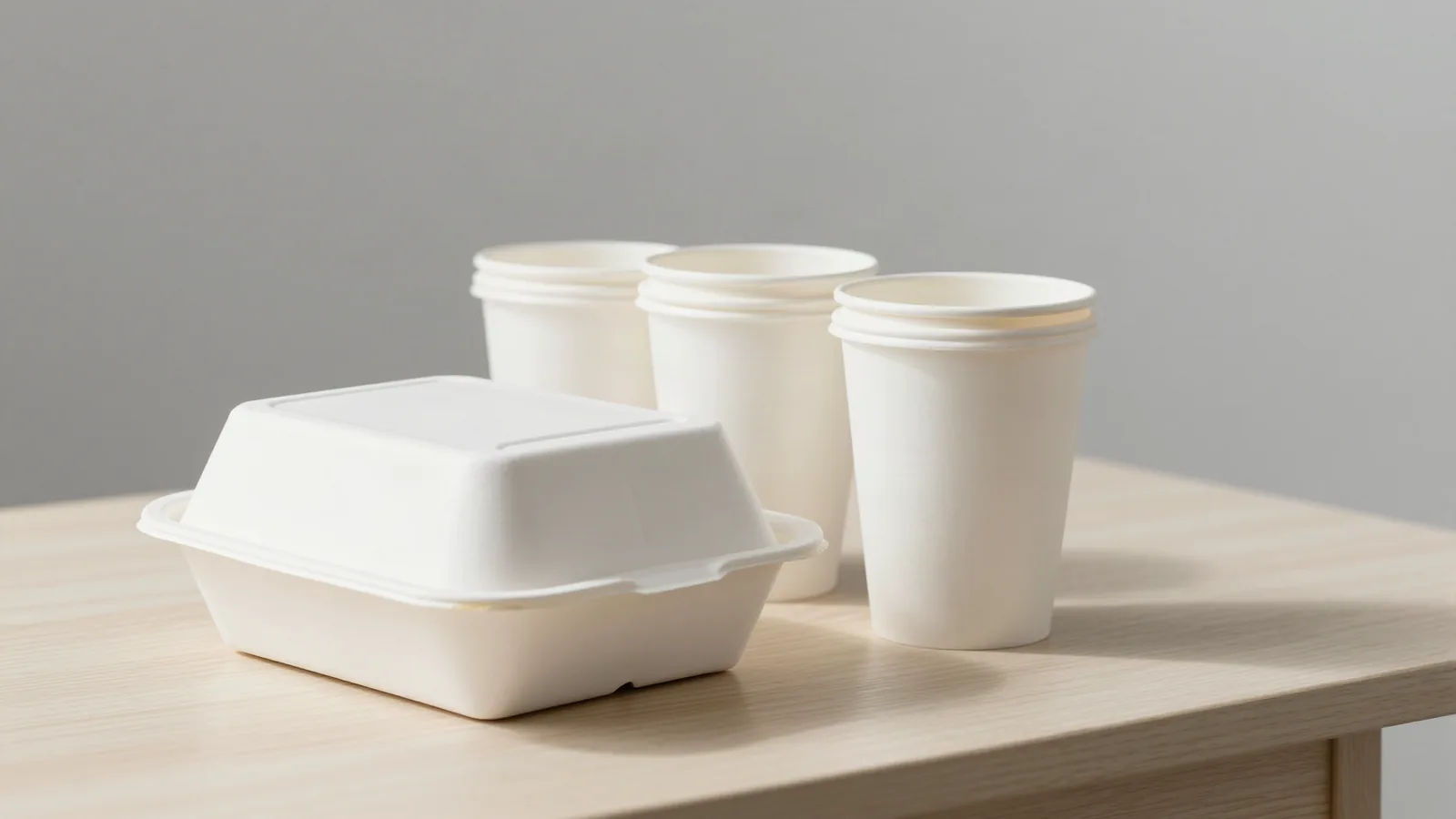




















































A custom burger box has to hold the filled meal without crushing the bun, trapping more steam than the service route can handle, or opening when the box is moved. For burger box wholesale planning, start with the maximum burger diameter and height after wrapping. Add toppings, liner, fries, sauce cup, and divider to the packed dimensions. If any surface touches the burger, wrapper, liner, or sauce, ask us about food-contact options before the board and coating are chosen.
What should a wholesale burger box do?
The packing sequence determines whether the box needs fast assembly, a locking base, venting, or a separate side compartment. The structure has to close at the packing bench, hold the meal during carrying, and open without forcing the lid into the food.
| Service need | Common packaging direction | Design focus |
|---|---|---|
| Fast counter service | Auto-lock or crash-lock carton | Quick assembly and reliable closure |
| Delivery order | Mailer-style or locking food carton | Stacking, movement, and venting behavior |
| Premium burger presentation | Printed folding carton with custom closure | Brand surface, opening, and product reveal |
| Burger plus side | Partitioned or larger-format carton | Separate compartments and interior clearance |
Which structures are commonly used for burger packaging?
Auto-lock bottom and crash-lock cartons reduce hand-folding at the packing bench because their base panels lock into place. Straight tuck end and reverse tuck end cartons suit workflows that need a different closure position. A mailer-style structure can support carrying and presentation, but the filled pack needs a stacking and movement test. A sleeve is a printed outer layer, not the protective container itself.
How much room should a burger box leave?
Measure the filled burger, not the bun, then add clearance for the wrapper, toppings, and any shared side. Include the maximum diameter and height after wrapping. If fries, a sauce cup, divider, or liner shares the box, measure the combined load. State dimensions as length x width x depth, and separate inside from outside measurements. A common planning tolerance is about 1/16 in, or 1.5 mm, so test a filled sample instead of sizing from the bun alone.
What materials and barrier questions matter?
Heat, grease, condensation, and steam decide whether a paperboard choice works at the handoff. Folding cartons commonly use SBS, C1S, or C2S paperboard in the 12 to 24 pt range. Kraft board around 18 to 24 pt gives a different surface direction. Rigid chipboard is commonly around 1.5 to 3 mm, wrapped in 100 to 157 gsm art paper, although a rigid format may not fit a hot takeaway workflow.
Mylar is a film, and foil laminates can use PET, AL, and PE layers. Those layers may be relevant to separate components, but they do not create a universal food-contact statement. Review the board, coating, liner, closure, and ventilation together. Ask us about food-contact options and test the filled package through the expected handling sequence.
How should burger box graphics and finishes be selected?
Artwork needs to stay readable after grease, condensation, folds, and the opening direction are accounted for. Offset CMYK suits detailed folding-carton graphics. Digital print can suit short runs or an artwork test. Flexo is common for corrugated packaging. Matte or gloss lamination, soft-touch, spot UV, foil stamping, embossing, and debossing can change the surface or mark a defined area. Keep opening instructions legible, leave bleed at trim edges, and keep small type away from scores and glue tabs.
How should ventilation and stacking be tested?
Vent openings change steam release and the stiffness around the lid, so they belong in the physical test. Check whether openings affect the closure, graphics, grease exposure, or product movement. Stack filled boxes in the intended orientation and check lid pressure, corner alignment, and squashing. Test the wrapper, liner, divider, and sauce-cup clearance in the same sequence. A vent pattern that works on an empty carton may behave differently once the meal is packed.
How can I plan a burger box wholesale order?
A quote request should state the maximum filled dimensions and the exact service sequence. Include wrapper or liner details, side components, desired structure, quantity, print coverage, finish, and shipping destination. The wholesale custom packaging hub can organize the volume conversation. For related handling references, see custom white paper bags, custom Woozy bottle boxes, custom votive candle boxes, and custom foam box inserts.
Custom burger box projects are quoted to spec from a 100-unit minimum. Pricing is from $0.49 per unit at volume, quoted to spec. Production is typically 8 to 10 business days after proof approval, plus delivery. Free US shipping, free design support, and a free dieline support the proof stage. The $19.99 sample kit is credited to the first order. Request the sample kit and ask us about food-contact options before approving a production dieline.
Frequently Asked Questions
What is the quickest burger-box structure to assemble?
Auto-lock bottom and crash-lock cartons are common starting points when quick assembly matters because the base panels lock into place. Straight tuck end and reverse tuck end cartons suit other closure positions. A mailer-style box may help with carrying, but the filled burger still needs testing for stacking, movement, steam, and lid pressure.
What board range is common for burger boxes?
SBS, C1S, or C2S paperboard in the 12 to 24 pt range is common for folding cartons. Kraft board around 18 to 24 pt gives a different surface direction. Compare the board with heat, grease, condensation, ventilation, coating, closure, and whether the package is an outer layer or part of the food-contact system.
Should the box be sized from the bun or the wrapped burger?
A burger box should be sized from the filled burger after wrapping, including maximum bun diameter, toppings, height, liner, fries, sauce cup, or divider. Specify length x width x depth and separate inside from outside measurements. A common planning tolerance is about 1/16 in, or 1.5 mm, so test the packed meal.
Can a burger box have vents and printed finishes?
A burger box can use vents and printed finishes, but both need testing against the filled meal and service route. Vent openings affect steam release and lid stiffness. Matte or gloss lamination, soft-touch, spot UV, foil stamping, embossing, and debossing affect the printed surface. Check closure, legibility, grease exposure, and product movement together.
What should I ask about food-contact options for a burger box?
Explain which surfaces touch the burger, wrapper, liner, sauce, or side components, and describe the heat, grease, moisture, and steam conditions. Ask us about food-contact options before selecting board, coating, laminate, ventilation, or closure. Test the filled package through packing, stacking, carrying, and opening before approving the production dieline.












