
























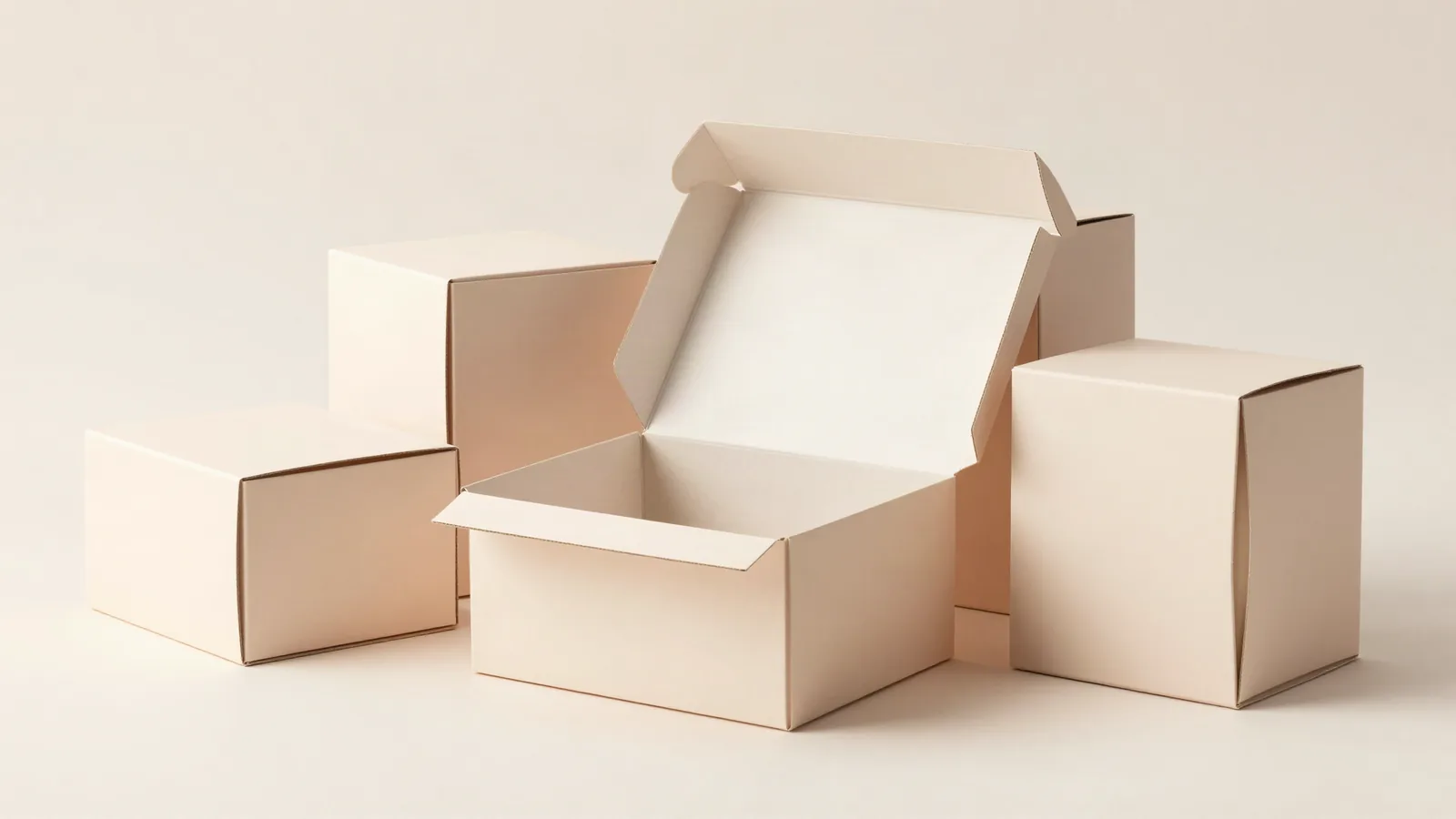












































What makes a custom mailing box work in transit?
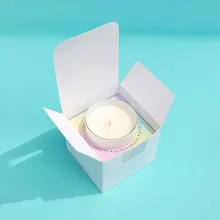
The closed box has to hold the product, insert, wrap, and closure in the same arrangement from the packing station to delivery. Start with the filled assembly, not an empty carton. Product dimensions, filled weight, fragile points, void fill, storage, and the presentation needed on arrival all belong in the first brief.
A flat dieline can look efficient while the loaded box is tight or loose. The product may press into a flap, an insert may leave a gap, or extra empty space may let the contents move. Fold and load a physical sample before approving artwork.
Which materials are common for mailing boxes?
Corrugated flute changes wall thickness, cushioning, printed detail, and packed volume. Paperboard changes the surface and the way the box folds. These typical industry references help organize the first comparison.
| Material or structure | Typical industry reference | Planning role |
|---|---|---|
| Corrugated E flute | Fine flute profile | Printed presentation with modest wall thickness |
| Corrugated B or C flute | Deeper profiles than E flute | Added wall thickness or cushioning |
| 32 ECT corrugated board | Common strength convention | Starting point for shipping carton discussions |
| SBS, C1S, or C2S paperboard | 12 to 24 pt | Folding mailers and detailed graphics |
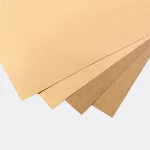
| Kraft paperboard | 18 to 24 pt | Natural surface direction for selected formats |
E flute has a finer profile than B or C flute. B and C flute add board depth and can change the space available around the product. 32 ECT is a common compression reference, but the finished box still needs to be checked with the product, insert, and stacking pattern. Paperboard can suit lighter folding structures and detailed printed panels. Kraft paperboard gives a different surface and stiffness direction.
Which mailing box structure should I choose?
A roll-end tuck-top mailer has an integrated top and a defined front panel. FEFCO 0427 is a common reference for that roll-end mailer convention. An auto-lock bottom changes how the carton forms at setup. A two-piece rigid box uses chipboard wrapped in printed paper, so it holds its shape without a fold, but its separate parts take more storage space and can change shipping volume compared with a folding mailer.
Use the catalog to compare custom mailing tubes when the product is cylindrical, custom foam box inserts when components need shaped support, custom DNA test kit boxes when a set needs organized interior placement, and wine box packaging when the product-specific interior affects the outer carton.
How should I size the mailing box?
Measure the product at its widest points, then add the actual insert, wrap, void fill, and component set. State length x width x depth as inside measurements. About 1/16 in, or 1.5 mm, is a common planning tolerance, but finished clearance also depends on board caliper, creases, compression, and product shape.
Keep empty space under control without forcing the product against the walls. An insert can separate components and limit movement. Load the box in its intended orientation, then check the closure, flaps, tear features, bleed, and safe areas after filling.
How should I print and finish the outside?
Offset CMYK is common for detailed paperboard graphics. Digital print can suit short runs, while flexo is typical for corrugated packaging. Matte or gloss lamination changes reflectance and scuff visibility. Soft-touch changes the tactile feel. Spot UV, foil stamping, embossing, and debossing add localized effects, but important information needs room away from folds, glue lines, tear features, and closure tabs.
Keep the artwork aligned to the dieline. Bleed extends the image beyond the cut line, and safe areas keep type away from movement at the score. RGB art can shift when converted for press, and low-resolution art stays soft. A digital proof catches those problems before printing.
What are the real cost drivers for a mailing box?
Board caliper, flute profile, box dimensions, print coverage, finish, inserts, quantity breaks, tooling, and shipping zone all affect the quote. For US ground planning, dimensional weight commonly uses L x W x H / 139, so the closed outside package matters even when the product is light.
Custom Packaging Lane quotes to spec from a 100-unit minimum, from $0.49 per unit at volume. Production typically takes 8 to 10 business days after proof approval, plus delivery. Free US shipping is available. Free design support and a free dieline are also available. The $19.99 sample kit is credited toward the first order. Start with custom packaging solutions when you are ready to check fit, closure, and delivery dimensions.
Frequently Asked Questions
What is a roll-end tuck-top mailing box?
A roll-end tuck-top mailing box is a one-piece carton whose side walls roll around the base and whose top closes with a tuck panel. It creates a defined front and an integrated opening. Product shape, insert clearance, board caliper, and closure geometry determine whether the structure fits the intended delivery route.
Should a mailing box use corrugated or paperboard?
Corrugated board can suit parcel handling, cushioning, and added wall thickness, with E, B, or C flute as common references. Paperboard can suit lighter products, flat storage, and detailed printed surfaces, with 12 to 24 pt as a common range for SBS, C1S, or C2S. Product weight and delivery conditions guide the choice.
How much empty space should a custom mailing box have?
A custom mailing box should leave room for the actual product, insert, wrap, and closure movement without letting the contents shift freely. Start with inside measurements and test the loaded assembly. About 1/16 in, or 1.5 mm, is a common planning tolerance, but board caliper, crease behavior, product shape, and interior protection can change the clearance.
Can I print and finish the outside of a mailing box?
A mailing box can use offset CMYK, digital print, or flexo, depending on the substrate and run. Matte or gloss lamination, soft-touch, spot UV, foil stamping, embossing, and debossing are possible finish directions. Keep text away from folds, closure tabs, glue areas, and tear features so the loaded package remains readable.
What should I provide for a mailing box quote?
Provide product dimensions and weight, insert or void-fill plan, desired structure, material preference, print coverage, finish, quantity, destination, and artwork status. Say whether the package is packed by hand or at a repeatable station. Product photos or a physical sample help check clearance, closure behavior, and presentation after the box is filled.