






















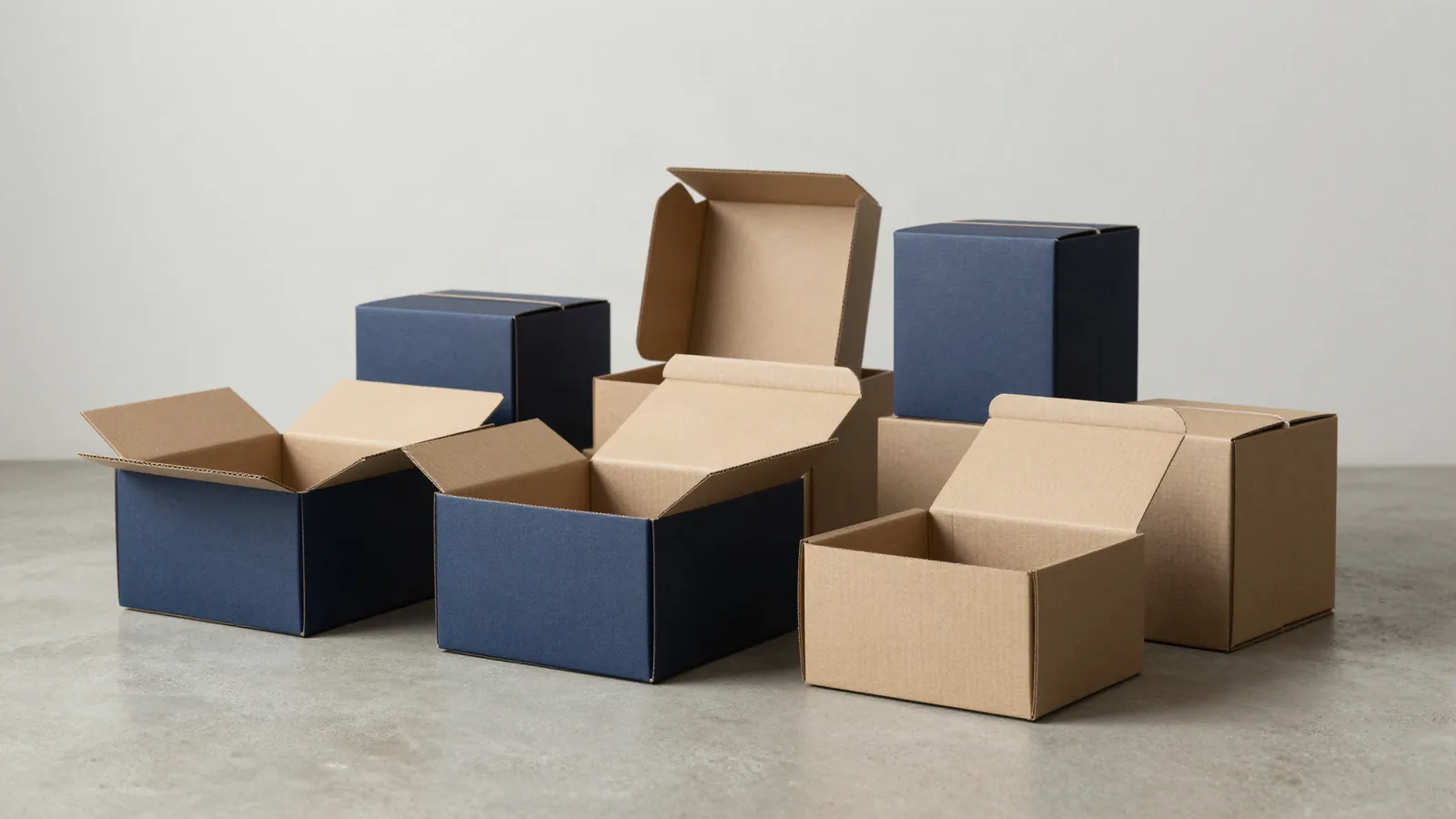



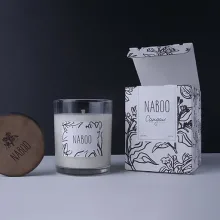

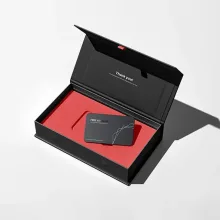
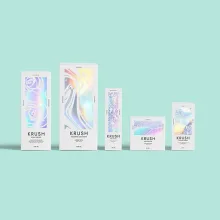
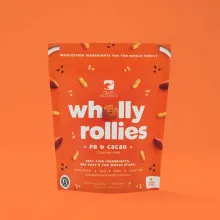

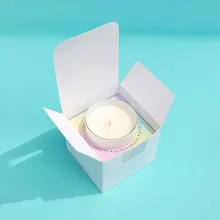
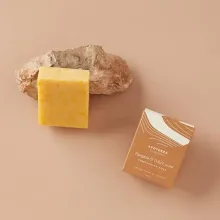




































A custom packaging house is a workflow that connects a product brief to a dieline, proof, material choice, press method, finish request, and delivery plan. The package role should stay beside the physical product throughout the handoff. That keeps fit, closure, artwork, and shipment questions attached to one request instead of split across separate files.
What should a custom packaging house handle?
The first handoff should name the product, inside length x width x depth, package role, opening, closure, board or film, print coverage, finish, quantity, and delivery location. A dieline is the flat cutting and folding template for the package. It turns the structure into labeled panels, scores, cuts, glue areas, openings, and inserts that artwork and production can share.
How does a packaging project move from product to proof?
The product dimensions set the cavity and clearance before the artwork is touched. The structure then sets panels, scores, folds, glue tabs, closures, and inserts. Artwork maps onto the flat dieline, and a digital proof gives the buyer a specific file to inspect for panel order, copy, color direction, and finish areas.
| Project stage | Buyer provides | Useful output |
|---|---|---|
| Product brief | Product dimensions, package role, quantity target, and delivery location | Shared specification for the package request |
| Structural plan | Opening direction, insert needs, window request, and stacking concerns | Dieline with panels, scores, cuts, and glue areas |
| Artwork setup | Logo, copy, images, color direction, and information hierarchy | Artwork mapped to the correct panels |
| Proof check | Corrections to fit, folds, text, coverage, and finish placement | Approved reference for the production request |
Which package format fits the buyer's job?
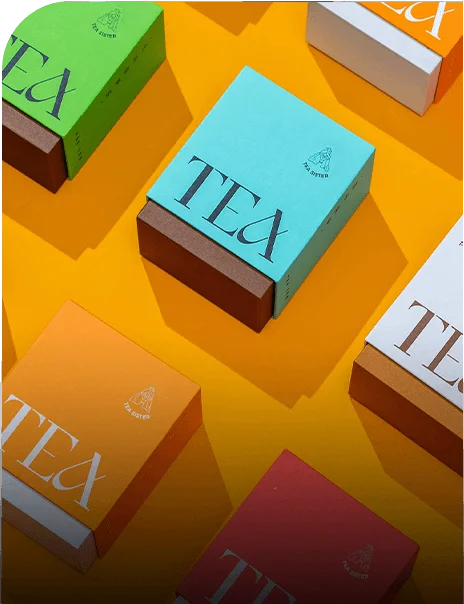
A folding carton suits printed panels and a compact folded form. A corrugated mailer suits a shipping-led brief. A rigid box holds a fixed presentation shape, while a bag-style piece changes the carry and display path. Choose from the product, handling route, closure, and amount of protection the package needs.
| Format | Common industry reference | Structural question |
|---|---|---|
| Folding carton | SBS, C1S, or C2S paperboard, commonly 12 to 24 pt | Would a straight tuck end, reverse tuck end, or auto-lock bottom fit? |
| Corrugated mailer | E, B, or C flute corrugated board, with 32 ECT as a common reference | Does the mailer need a roll end and tuck top? |
| Rigid presentation box | Chipboard commonly 1.5 to 3 mm, wrapped in 100 to 157 gsm art paper | Would two-piece, magnetic flap, or drawer construction suit the opening? |
| Carry piece | Non-woven polypropylene around 80 to 120 gsm or cotton canvas around 8 to 12 oz | How should the handle, decoration area, and packed shape be shown? |
Which material and print choices should be compared?
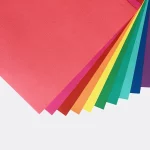
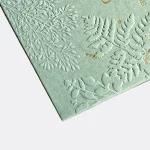
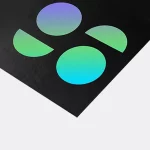
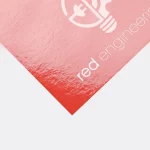
Board choice changes folding, stiffness, surface, and fine detail. Kraft board in the 18 to 24 pt range has a different print base from white paperboard. Offset CMYK, the four-color process used for detailed graphics, is a common method for carton artwork. Digital printing can suit short runs or file testing. Flexo is common for corrugated packaging. Matte or gloss lamination, soft-touch, spot UV, foil stamping, embossing, and debossing should be listed separately because each changes the surface or selected artwork areas. Board caliper is its measured thickness.
How can I keep artwork usable on a dieline?
Keep small type, barcodes, and fine details clear of score lines, cut edges, glue tabs, and window seams. Extend background artwork through the bleed area so a cutting shift does not leave an unprinted edge. RGB art can shift when converted for press, and low-resolution art will not gain detail at print. Place the logo and primary product information on the intended display panel, then check that the panel remains visible after folding, closing, or sliding.
Which catalog products show different packaging directions?
Custom tin packaging gives a hard-container reference with a lid and possible outer presentation layer. Custom printed macaron packaging boxes show how printed panels and product arrangement share the same structural decision. Custom greeting card packaging is a flat-product reference. Custom drone packaging boxes show why complex shape and protective fit need to be stated before artwork is placed.
What should I ask before choosing the packaging workflow?
- Which format and closure match the product's handling?
- Are dimensions written as inside length, width, and depth?
- Which board, flute, film, or wrapped rigid construction is being compared?
- Which panels need print, lamination, foil, embossing, or spot UV?
- What must be checked on the proof before the request moves forward?
How do I start a custom packaging house project?
Send the product reference, dimensions, package role, artwork status, material direction, finish request, quantity, and delivery location. Custom Packaging Lane quotes to spec from a 100-unit minimum. Pricing is from $0.49 per unit at volume, quoted to spec. Production is typically 8 to 10 business days after proof approval, plus delivery. Free US shipping, free design support, and a free dieline are available. The $19.99 sample kit is credited to the first order. Use custom packaging design when the brief is ready.
Frequently Asked Questions
What information should a packaging house get first?
A packaging house should receive product dimensions, quantity target, package role, artwork status, delivery location, and any closure or insert requirement first. A product drawing or physical reference helps with complex shapes. The supplier can then compare board, structure, print coverage, finishing, and shipping fit against the same brief instead of pricing an undefined package.
How does a dieline differ from artwork?
A dieline is the flat cutting and folding template for a package. It shows panels, scores, cut lines, glue tabs, openings, and window areas. Artwork is the printed content placed onto those panels. Buyers should check both together, because a logo, barcode, or background can land too close to a fold, cut, seam, or glue area.
When is digital print a fit?
Digital printing is commonly considered for short runs, artwork testing, or file changes without traditional plates. Offset CMYK is a common choice for detailed folding-carton artwork on a sheet-fed print process. The better method depends on coverage, quantity, board, and finish. Check the chosen process against the approved artwork and material.
What does FEFCO 0427 mean?
FEFCO 0427 is a common corrugated mailer style with a roll-end construction and tuck-top closure. FEFCO is the industry coding system used to identify corrugated packaging styles. The code is a structural reference, not a guarantee of box strength. Compare it with E-flute, B-flute, or C-flute board and the product dimensions.
What file problems can a proof catch?
A packaging proof can catch small type or barcodes near scores, cut edges, glue tabs, and window seams. It can also expose missing bleed, RGB color shifts during press conversion, low-resolution art, wrong panel order, and finish areas placed on the wrong face. Check the flat artwork and assembled package before approval.