
























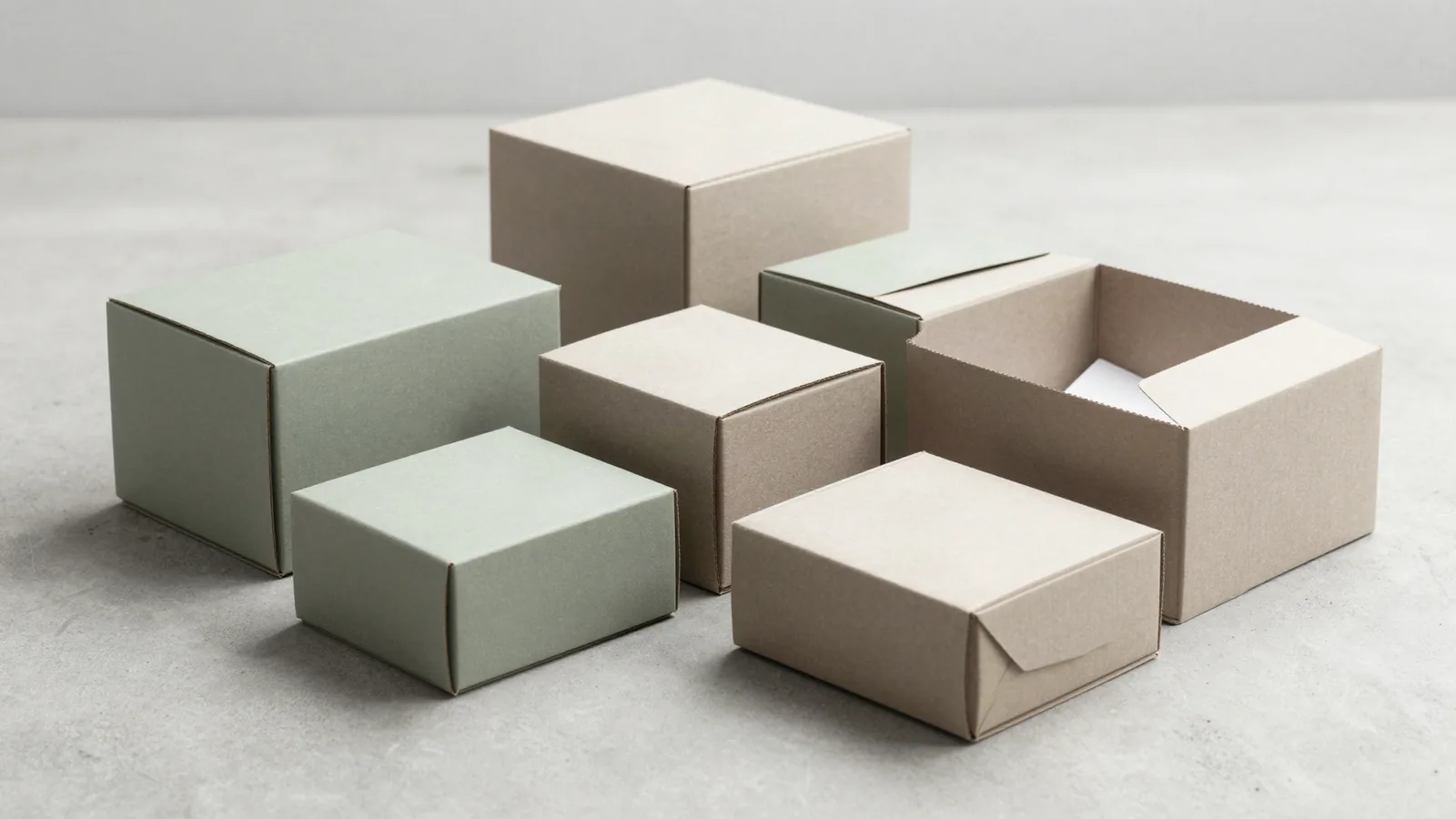













































Custom present boxes are specified by the item and the opening motion. A folding carton ships flat. A rigid box is built from chipboard wrapped in printed paper, so it holds its shape without a fold. A mailer carries the gift through delivery. Start with the product, tissue, insert, and pack-out, then choose the structure.
What should a custom present box do for the gift?
The opening motion decides the first structural choice. Say whether the box should open from the top, lift away as a lid, slide from a sleeve, or arrive as a ready-to-fill mailer. Note any insert, visible window, card compartment, or tissue layer. Also state whether staff will fill the box at a packing station or the recipient will open it after delivery. Those details change the panel map and the cavity.
Which box structure fits the opening experience?
A straight tuck end closes from a folding top, while a two-piece rigid box separates the lid from the base. Use the structure table as a starting reference, then match it to the product and the packing sequence.
| Structure | How it closes | What to check |
|---|---|---|
| Straight tuck end | Top flap tucks in from the front | First-view panel and tuck clearance |
| Reverse tuck end | Opposing tuck direction | Front panel and opening direction |
| Auto-lock bottom | Formed base locks during setup | Assembly order and bottom support |
| Crash-lock bottom | Pre-glued base opens into shape | Flat shipping and fill access |
| Two-piece rigid | Separate lid and base | Lid fit, reveal, and insert space |
Which materials are common for present boxes?
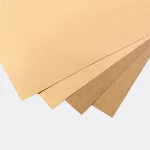
Folding-carton stock and rigid board solve different problems. SBS is a folding-carton paperboard; C1S has one coated side and C2S has two. General practice considers these stocks in the 12 to 24 pt range. Kraft board is commonly discussed in the 18 to 24 pt range. Caliper means board thickness. Rigid chipboard in the 1.5 to 3 mm range, wrapped in 100 to 157 gsm art paper, creates a lid-and-base build; gsm means grams per square meter, a paper-weight reference.
Choose the board around product weight, closure, insert, storage method, and the way the package will be handled. A window or card compartment can remove usable panel area, while tissue and a multi-piece set occupy interior space. Those constraints belong in the size brief.
How should print and finish support the gift?
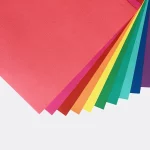
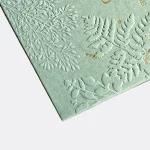
Matte lamination cuts reflection, while gloss lamination increases surface sheen. Offset CMYK uses four process inks for detailed paperboard artwork, and digital printing can suit a short run or an artwork check. Soft-touch changes the tactile feel. Spot UV is a cured gloss coating for selected areas, while foil stamping, embossing, and debossing need clear placement on flat artwork areas.
Mark every finish separately on the file. Keep important wording away from scores, seams, glue tabs, windows, and the edge of a lid. A finish that looks correctly placed on a flat sheet can land across a fold after assembly.
How do I measure a present box?
Inside length, width, and depth are the fit measurements. Measure the item in the orientation used during packing, then add clearance for tissue, cards, inserts, or a set of components. Write dimensions as length x width x depth and label inside or outside measurements. About 1/16 in, or 1.5 mm, is a general tolerance reference to confirm against the selected board and structure.
Outside measurements still matter for shelves, storage, and parcel planning. Keep them separate from the inside cavity so board thickness, folds, closure travel, and insert space do not disappear inside one number.
Which catalog formats can guide the brief?
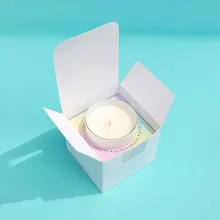
Catalog formats let you name an opening and product type in a quote. Custom votive candle boxes can guide a small gift set with a defined carton footprint. Custom Woozy bottle boxes show why a bottle needs internal fit and opening direction. For a gift that travels through delivery, custom tuck top mailer boxes give a mailer reference. Custom undergarments boxes can guide a folded textile or apparel set. These pages are format references, not fixed dimensions for another product.
What should I send for a present-box quote?
A useful request can fit on one page when the physical job and artwork job sit together.
- Describe the item, set contents, orientation, tissue, card, and insert.
- Label desired inside size, outside size, clearance, and closure direction.
- Name the folding carton, rigid box, sleeve, drawer, or mailer direction.
- Mark print panels, folds, seams, glue areas, windows, and finish treatments.
- State the packing method, quantity, artwork status, and delivery destination.
What happens before a present-box quote is approved?
Proof approval is the point when structure, artwork, and finish stop being separate ideas. Custom Packaging Lane is a US-based packaging supplier. Projects are quoted to spec from a 100-unit minimum. Pricing is from $0.49 per unit at volume, quoted to spec. Production is typically 8 to 10 business days after proof approval, plus delivery. Free US shipping, free design support, and a free dieline support preparation. The $19.99 sample kit is credited to the first order. Review custom packaging design when the artwork and structure need to be resolved together.
Frequently Asked Questions
Which present-box structure uses a separate lid?
A two-piece rigid present box uses a separate lid and base. Rigid chipboard holds its shape, while the lid controls the reveal and the base holds the product or insert. Check lid clearance, wrapping, internal fit, and the opening motion before artwork is placed on the panels.
What do SBS, C1S, and C2S mean for a gift box?
SBS is a folding-carton paperboard reference, while C1S and C2S describe coated paperboard with one coated side or two coated sides. General practice commonly considers these stocks in the 12 to 24 pt range. The surface and caliper affect print appearance, folds, stiffness, and how the box feels in hand.
Should a present box include an insert?
A present box needs an insert when the product must stay positioned, separated, or visible during opening. State whether the support is a cavity, divider, tray, or card compartment, then size the box around that interior. Tissue and accessories also occupy space, so measure the packed set rather than the main item alone.
How much clearance should a present box have?
Present-box clearance depends on the product wrap, insert, closure, and removal motion. Measure the packed item in its loading orientation, then provide inside length, width, and depth. About 1/16 in, or 1.5 mm, is a general tolerance reference to confirm against the selected board and structure, not a universal finished-box allowance.
What should a physical gift-box sample reveal?
A physical gift-box sample should reveal lid travel, fold direction, tuck or base setup, insert fit, panel order, and the way tissue or accessories sit around the product. Open and close it several times, then check the visible face and edges. A screen proof cannot show pressure at a closure or space lost to an insert.