































































Printed zipper bags pair flexible film, a track-style closure, and an artwork map that has to survive filling and closing. A zipper bag is resealable because interlocking profiles meet along the opening; the zipper does not determine the bag's material, shape, or usable cavity. Buyers comparing zipper bag wholesale, printed zipper bags, and custom zipper bags should separate product dimensions from finished exterior dimensions at the start.
Which zipper bag format should I compare?
A flat pouch suits a low-profile fill, while a stand-up pouch adds a base and front-facing panel. A gusseted bag adds depth through side or bottom folds, and a windowed bag reserves part of the face for visible contents. The format changes the cavity, filled footprint, zipper alignment, and available artwork area.
| Bag direction | Common use | Specification focus |
|---|---|---|
| Flat zipper pouch | Low-profile items and compact storage | Usable face, seal width, zipper position, and fill height |
| Stand-up zipper pouch | Front-facing display and upright placement | Base gusset, width, depth, and opening access |
| Gusseted zipper bag | Products that need added depth | Side folds, filled footprint, zipper alignment, and headspace |
| Windowed zipper bag | Products that benefit from visible contents | PET window, patch area, film layers, and graphic safe zones |
Stand-up pouches commonly fall around 3 to 7.5 in wide, but width alone does not define the usable cavity. Provide the contents, fill height, closure position, base or gusset, and finished length. If the product is sold by weight or volume, state the target fill condition without assuming that a nominal bag size equals the usable interior.
What laminate construction is common for printed zipper bags?
A laminate is a bonded stack of films. PET, AL, and PE commonly appear in mylar or foil constructions, and the layer order affects printing, sealing, surface appearance, and opacity. PET is often the outer print surface, AL is the aluminum layer, and PE commonly supplies the heat-sealable inner surface. Ask about layer order, seal direction, zipper attachment, and any window or tear feature.
If the contents touch the package, ask us about food-contact options. The final film should be checked against the product, opening frequency, storage route, and artwork coverage. A laminate name alone does not describe the complete bag.
How should I plan printed zipper bag artwork?
The seal zone belongs on the dieline, the flat cutting template for the bag, before the logo, instructions, or barcode is placed. Map the front face, back panel, zipper zone, heat-seal areas, gusset folds, bottom, side seams, and any window. Flexo printing is commonly considered for flexible film programs, while digital printing can suit short runs or artwork revisions.
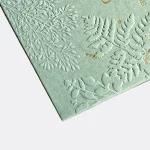
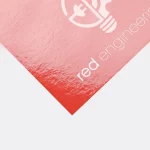
Matte or gloss lamination changes the surface sheen. Spot UV adds gloss to selected areas, and foil stamping adds a metallic effect when the film and process support it. Keep small type and important instructions away from seals, creases, scores, and the zipper track. Low-resolution art can look soft at final size, RGB files can shift during press conversion, and missing bleed can expose the cut edge.
When is a paper bag a better comparison?
A folded top, carry handle, or paper-facing surface points toward a paper bag. Custom tin-tie kraft bags can be compared when a folded closure fits the job better than a zipper. Custom white paper bags and printed paper bags offer other surface directions. They are not interchangeable with a flexible zipper pouch, so compare the opening, resealing need, product fit, and storage path first.
What should wholesale buyers request?
A quote is easier to compare when finished exterior dimensions stay separate from the product's usable cavity. State the product, fill condition, orientation, expected opening frequency, finished width, length, depth, gusset, headspace, zipper position, laminate questions, artwork coverage, finish, quantity, and destination.
- Choose a flat, stand-up, gusseted, windowed, or other defined bag direction.
- Identify PET, AL, PE, foil, or other laminate questions for review.
- Map print coverage, seams, zipper track, seals, windows, and finish areas.
- Share whether the bag is primary packaging or an outer component.
- Include a filled-product reference, photo, or sketch when the cavity is difficult to describe.
Keep the bag dimensions separate from the product dimensions, and identify which measurements describe the finished exterior versus the usable cavity. That distinction prevents a flat specification from being mistaken for the space available after filling.
How do I compare zipper bag wholesale pricing?
Each quote row should keep the film, size, zipper, print coverage, finish, quantity, and shipping scope constant. If one row changes the material, closure, window, or delivery assumption, it is a different package comparison. Custom Packaging Lane is a US-based packaging supplier. Quotes are made to spec from a 100-unit minimum, with pricing from $0.49 per unit at volume. Production is typically 8 to 10 business days after proof approval, plus delivery. Free US shipping, free design support, and a free dieline are available. The $19.99 sample kit is credited to the first order. Review wholesale custom packaging before requesting a quote for a printed zipper bag format.
Frequently Asked Questions
What makes a zipper bag resealable?
A zipper bag is resealable because interlocking profiles meet along the opening and separate when the user pulls them apart. The zipper still needs a defined film, seal, headspace, and usable cavity. Map the closure position on the dieline so the product, artwork, and opening path fit together after filling.
What width works for a stand-up zipper pouch?
Stand-up pouches commonly fall around 3 to 7.5 in wide, but usable capacity also depends on depth, base gusset, seal area, zipper location, and fill height. Measure the product in its intended position and state finished width separately from the usable interior. Review the package after filling, not only while flat.
What layers are in mylar zipper bags?
Mylar or foil laminates commonly use PET, AL, and PE layers. Each layer can affect the print surface, sealing direction, appearance, and package construction. Define the product, opening frequency, zipper attachment, window needs, and storage route before selecting the laminate. Ask us about food-contact options when the contents touch the package.
Can a custom zipper bag include a window?
A custom zipper bag can include a window when visible contents are part of the presentation and the film combination supports the patch. PET windows commonly fall around 0.2 to 0.3 mm. Mark the window, patch area, zipper, seals, folds, seams, and artwork-safe zones on the dieline.
How do I keep the zipper out of the artwork?
Keep logos, product names, instructions, and barcodes below the zipper track and away from heat-seal areas, gusset folds, scores, and seams. The dieline should show the closure-safe area before the artwork is placed. Check the formed, filled bag because the usable panel changes after the package takes its final shape.