




























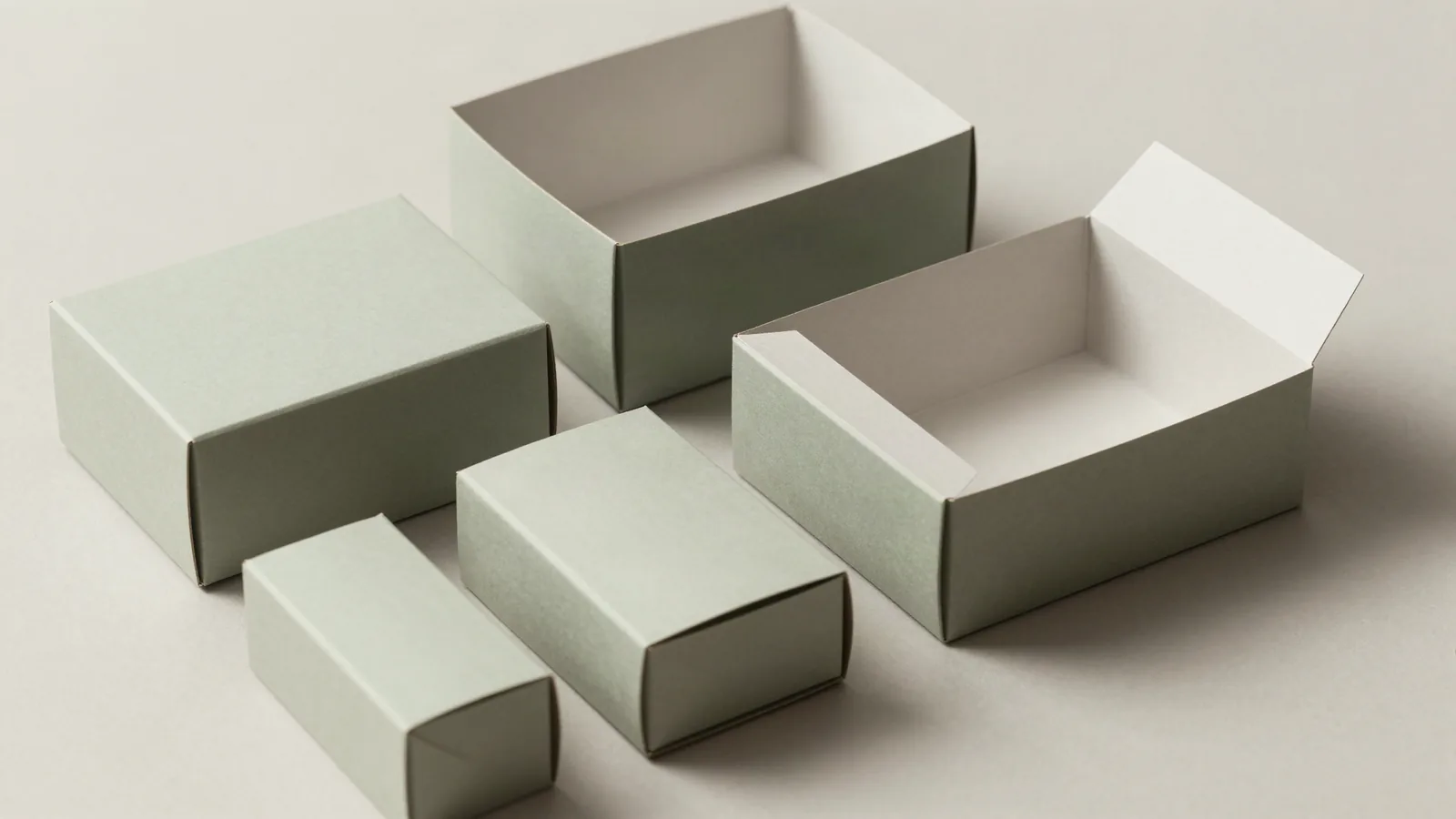




















































Custom seed packs usually have two jobs: hold the seed product and explain it on a small printed surface. The outer pack might be a carton, sleeve, pillow, or gable format, while an inner film pouch supplies a separate barrier or containment layer. Build the brief with the inner component, fill quantity, opening, and information hierarchy.
What should a custom seed pack contain?
The filled item, variety name, planting instructions, and front-panel image set the first layout decisions. Add crop or plant identification, seasonality details, handling notes, and business-supplied wording after the structure is clear. If the inner component may touch the product, ask us about food-contact options for your product. Keep the outer printed pack and inner pouch as separate specifications.
Which seed-pack structure should I choose?
Straight tuck end and reverse tuck end are paperboard carton references with different flap and opening directions. A sleeve wraps an inner seed pouch or tray. A pillow is a flexible folded format, and a gable has a handled top with a different internal containment question.
| Structure | Useful direction | What to plan |
|---|---|---|
| Straight tuck end | Compact paperboard pack with a familiar opening | Top and bottom tucks, product clearance, and panel copy |
| Reverse tuck end | Small carton with offset tuck flaps | Opening direction and display orientation |
| Sleeve | Printed wrap over an inner seed pouch or tray | Retention, pouch thickness, and sleeve length |
| Pillow | Flexible presentation formed by folds | Closure approach and artwork curve |
| Gable | Market or gift presentation with a handled top | Top geometry, carrying point, and internal containment |
What changes when the pack uses an inner pouch?
The outer pack and inner pouch need separate measurements, because the pouch supplies its own thickness and containment. Mylar or foil laminates may include PET, AL, and PE layers. A metallized film layer can block light and slow moisture or odor transfer, while the layer choice changes fold feel and pouch thickness. Record the finished pouch dimensions, fill method, opening, and barrier construction beside the outer pack specification.
How should pack dimensions and clearance be set?
Measure the filled inner pouch, not the empty artwork file. Write box dimensions as length x width x depth and label whether the values are product, inside, or outside measurements. Inside dimensions are the clearest reference for fit. About 1/16 in, or 1.5 mm, is a common packaging tolerance reference. Test the filled pack before releasing the dieline. An insert cut to the exact product size can bind, while excess clearance can let the pouch rattle.
Which print and finish choices fit seed-pack artwork?
SBS or C1S paperboard in the 12 to 24 pt range gives a common folding reference. Kraft board in the 18 to 24 pt range has a different base color. Offset CMYK fits detailed illustrations and several planting-information panels. Digital printing can suit short runs or multiple variety artworks. Kraft board can use a deliberate single-color or limited-color treatment when the material character should remain visible. Matte or gloss lamination changes the surface and resistance to scuffing. Soft-touch changes the feel. Spot UV, foil stamping, embossing, and debossing can mark a logo or selected graphic. Show ink coverage and every finish as separate proof instructions.
When does a seed pack need a window?
PET window material around 0.2 to 0.3 mm is a common reference when visibility matters. Window patching changes the panel layout, patch area, and finishing sequence. Keep the visible opening clear of folds, glue areas, trim, and essential planting copy. If the inner pouch does not need to be seen, a closed printed panel leaves more uninterrupted artwork space.
Which product pages help compare the pack format?
The seed packaging page is the closest category reference. Compare custom white paper bags when the package needs a larger paper carry format. Check custom vial boxes when a small product cavity and panel order need a compact comparison. These pages frame material and structure choices, but the filled pouch, opening, and artwork determine the final seed pack specification.
What should I include in a seed-pack quote request?
A useful request begins with the inner pouch and ends with the artwork revision. Send:
- the seed variety, inner pouch or product dimensions, fill quantity, and intended opening;
- required planting information separated from optional marketing copy;
- outer board, print process, finish, and whether the pack needs a window or sleeve;
- the number of varieties that share the structure and the panels that change between versions;
- the use case, destination, and current artwork status.
How do I scope custom seed pack orders?
CPL quotes custom seed packs to spec from a 100-unit minimum. Pricing is from $0.49 per unit at volume, quoted to spec. Production is typically 8 to 10 business days after proof approval, plus delivery. Free US shipping, free design support, and a free dieline support the preparation process. The $19.99 sample kit is credited to the first order. Send the filled pouch dimensions and current artwork through custom packaging design.
Frequently Asked Questions
What belongs on a custom seed pack front panel?
A custom seed pack front panel usually carries the variety name, crop or plant identification, brand mark, and an image or illustration. The reverse can hold planting guidance, seasonality details, handling notes, and business-supplied wording. Keep the outer pack coordinated with the inner pouch so the information remains readable after filling.
What does an inner foil or film pouch do?
An inner foil or film pouch supplies a separate containment or barrier layer inside the printed pack. Mylar or foil laminates may include PET, AL, and PE layers. A metallized film layer can block light and slow moisture or odor transfer. Specify the finished pouch thickness and dimensions separately from the outer carton or sleeve.
How do I choose between a carton and a sleeve?
A folding carton creates its own panels, closure, and product cavity. A sleeve wraps an inner seed pouch, tray, or pack, so retention and sleeve length become the main fit checks. Choose after comparing the fill method, opening, pouch thickness, display orientation, artwork area, and whether the inner component already provides support.
What does a seed-pack window change?
A seed-pack window changes the panel layout, patch area, and finishing sequence because the visible opening must align with the inner pouch or contents. PET material around 0.2 to 0.3 mm is a common reference. Keep the window clear of folds, glue areas, trim, and planting copy on the dieline.
How should a seed pack proof be checked?
Check the variety name, planting information, logo placement, panel order, folds, seams, trim, closure, window location, and finish layers on a seed pack proof. Compare the flat dieline with the filled pouch or product. Resolve fit and copy questions before approval so the printed surface matches the intended structure.












