






















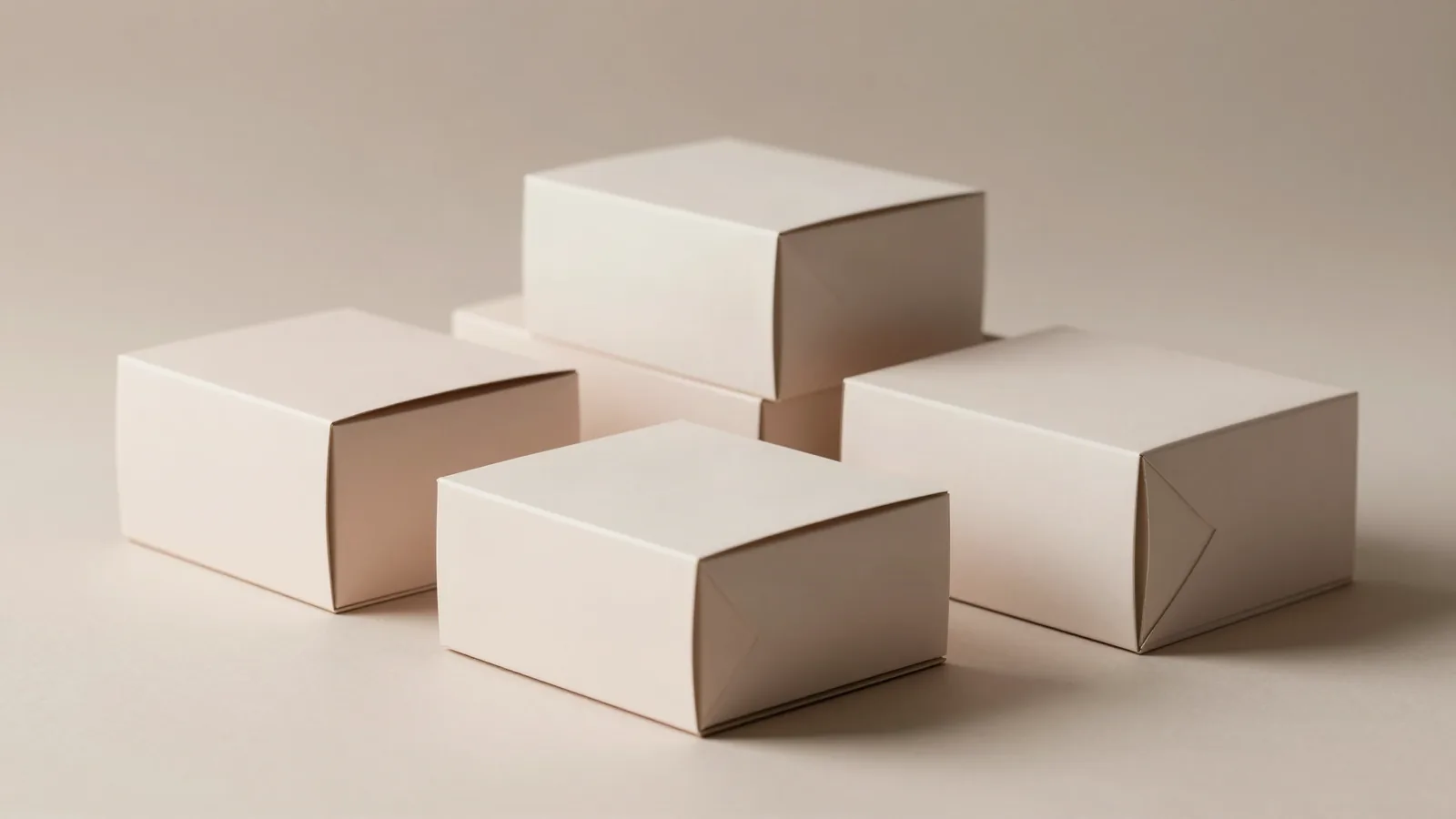



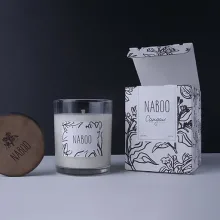

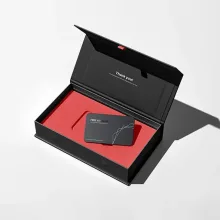
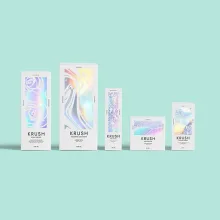
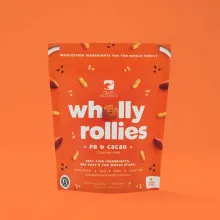
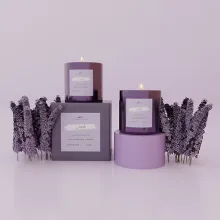
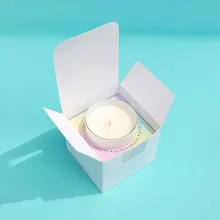




































A customizable box is a physical system with a fixed structure and changeable artwork, dimensions, windows, finishes, or product versions. Decide which parts stay constant before the dieline is drawn. A shared logo panel can remain unchanged while the product name, color field, window, or interior fit changes, but every new version still needs its own proof.
What can I customize on a box?
Structure, opening, board, dimensions, artwork, window placement, and finish are separate decisions. A new product depth can move a fold, while a window can take space from a printed panel. Foil or spot UV can cross a score if the flat layout is not checked. Treat each version as its own package file, even when the boxes share one visual system.
Which box structure should I customize first?
The opening and loading path come first because they determine how the product enters, stays inside, and comes back out. Straight tuck end and reverse tuck end cartons change the tuck direction. Auto-lock bottom and crash-lock bases change assembly. A sleeve adds a printed outer layer, while a mailer with a roll end tuck top, also known as FEFCO 0427, creates a delivery-oriented opening. Two-piece rigid, magnetic flap, drawer or slide, gable, and pillow structures each change the reveal.
| Use case | Structure reference | Proof question |
|---|---|---|
| Retail opening | Straight tuck end or reverse tuck end | Which panel faces forward when closed? |
| Assembly | Auto-lock bottom or crash-lock base | Does the bottom fold and hold the loaded product? |
| Delivery presentation | Mailer, roll end tuck top, FEFCO 0427 | Does the opening suit packing and handoff? |
| Presentation | Two-piece rigid, magnetic flap, drawer or slide, or sleeve | How should the product be revealed and removed? |
Which board and surface suit a customizable box?
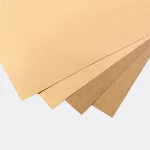
SBS, C1S, or C2S paperboard in the 12 to 24 pt range is a common reference for printed folding cartons. Kraft board in the 18 to 24 pt range changes the surface and contrast. Rigid chipboard in the 1.5 to 3 mm range, wrapped in 100 to 157 gsm art paper, creates a heavier box that holds shape without a fold. Board caliper changes edges, scores, glue tabs, and the outside footprint, so compare options with the inside length x width x depth held constant.
A PET window in the 0.2 to 0.3 mm range can expose the product, but it uses printed-panel space and adds patching. Map the window, fold, seam, trim, and copy panel for each version.
How should artwork stay organized across box versions?
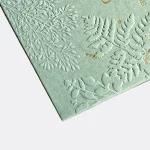
A version matrix keeps fixed logo areas separate from product copy, color fields, window positions, finish layers, code areas supplied by the buyer, and panels that must remain clear. Offset CMYK is common for detailed paperboard graphics. Digital printing can suit a short run or a layout still under review. Matte or gloss lamination changes the surface, soft-touch changes the hand feel, and spot UV, foil stamping, embossing, and debossing add separate effect layers.
Keep copy away from folds, scores, glue tabs, trim, seams, and high-contact edges. A digital proof is where you catch type crossing a score or a code area sitting too close to trim, before the job moves forward.
How should customizable box sizes be recorded?
The packed product sets the inside cavity, while the board or wall sets the outside footprint. Record the product first, then give inside length x width x depth and outside dimensions. Add the insert, accessory, clearance, and removal path. About 1/16 in, or 1.5 mm, is a common tolerance reference, subject to the selected construction. For an outer shipper, US ground dimensional weight is commonly discussed as L x W x H / 139. Use that formula for footprint planning, not as a shipping quote.
Which catalog references show different customization paths?
Window soap boxes show how a product-facing window and printed carton share one panel. Window display boxes put the reveal and front-panel allocation first. Window boxes provide another window-patching reference. For a closed retail format, compare wallet boxes. When the product shape drives the brief, see waffle boxes. These are catalog references, not standard-size promises.
What should a customizable box proof show?
A useful proof shows the shared structure and each version on its own dieline, with the loaded product checked against the physical opening.
- Show each version's inside length x width x depth, opening, closure, folds, scores, glue tabs, and trim.
- Separate fixed brand elements from variable copy, artwork, color, window, and finish layers.
- Name offset CMYK or digital artwork separately from lamination, soft-touch, spot UV, foil, embossing, and debossing.
- Show the closed box, open box, loaded product, and outer shipper when relevant.
- Check every version against its own dieline before approval.
How is a customizable box project scoped?
Custom Packaging Lane quotes customizable boxes from a 100-unit minimum, with pricing from $0.49 per unit at volume, quoted to spec. Production is typically 8 to 10 business days after proof approval, plus delivery. Free US shipping and free design support are included, with a free dieline for the selected structure. The $19.99 sample kit is credited toward the first order. For the design handoff, use custom packaging design.
Frequently Asked Questions
What parts of a box can be customized?
A customizable box can change in structure, board, dimensions, opening, artwork, surface, window, and special finishes. A written matrix should separate fixed brand rules from version-specific choices before the dieline is drawn. The box family can share a logo treatment while each version gets its own product fit and loaded-package check.
How do I compare box structures?
Box structures are compared by opening direction, bottom assembly, loading path, removal motion, presentation, and delivery role. Straight tuck end and reverse tuck end change the tuck direction. Auto-lock bottom and crash-lock bases change assembly. Mailers, sleeves, rigid boxes, magnetic flaps, and drawer or slide formats create different handling paths.
Can customizable boxes have windows?
A customizable box can use a PET window when the product needs visibility. PET in the 0.2 to 0.3 mm range is a common window reference. The proof should show the window, patch edge, folds, seam, trim, and remaining copy panel for each version because the window changes both the cut layout and the available artwork area.
How should I manage artwork across box versions?
Artwork management should use named layers for print, finish, folds, cuts, glue areas, windows, seams, and safe zones. Shared brand elements should remain separate from product copy and imagery. Record fixed panels, variable colors, and effect areas, then check every version on its own dieline before approval.
Which board is common for customizable folding cartons?
SBS, C1S, or C2S paperboard in the 12 to 24 pt range is a common folding-carton reference. Kraft board is commonly 18 to 24 pt. Rigid chipboard is commonly 1.5 to 3 mm with a 100 to 157 gsm art-paper wrap. Compare the inside fit, edge, fold, glue tab, and outside footprint before selecting the board.