








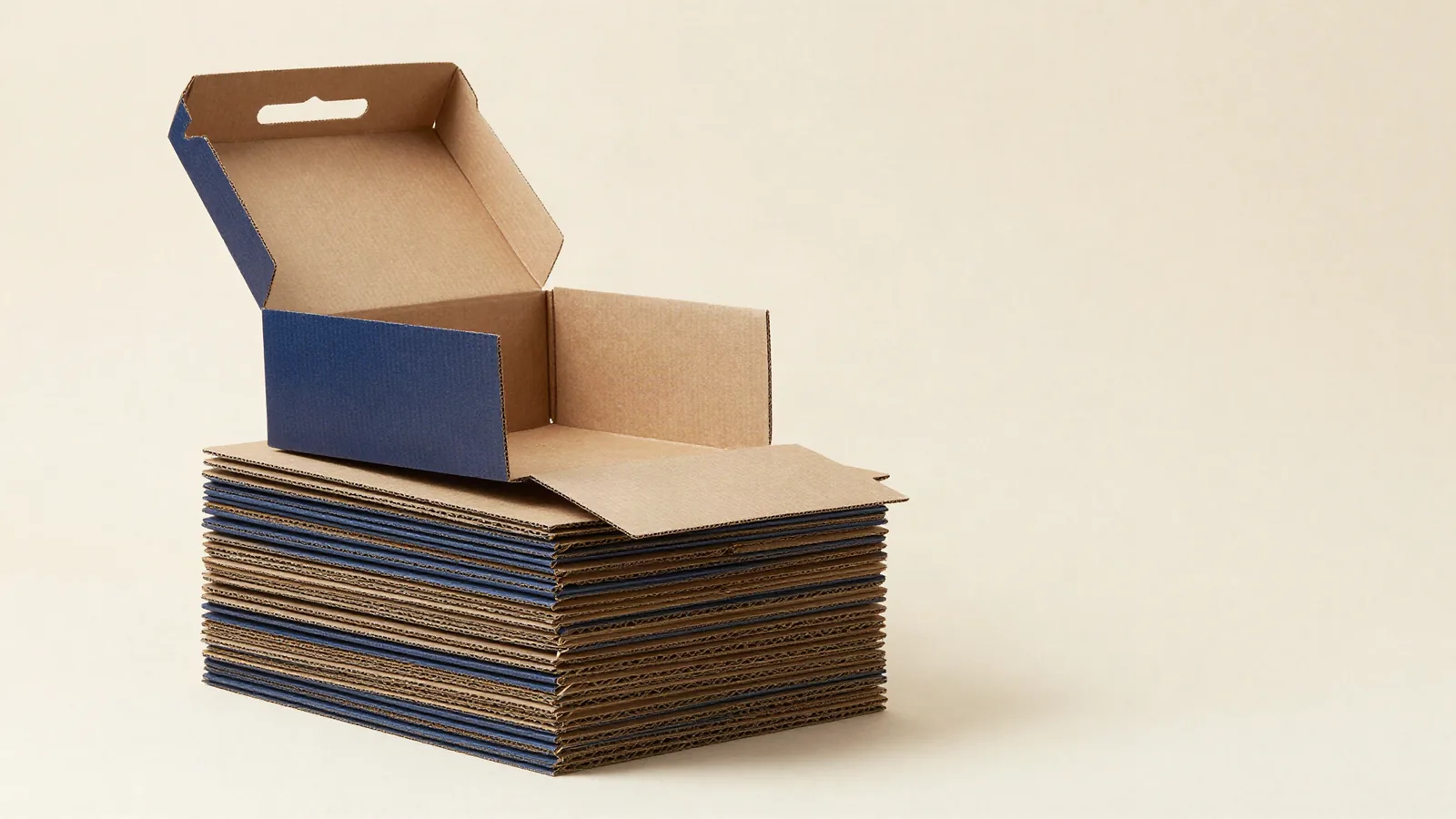











































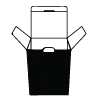

Customizing shipping boxes starts with the product, the pack-out, and the route to the customer. Corrugated board is paper liner material built around a fluted layer, the wavy sheet that adds thickness and structure. A shipping-box dieline is the flat cutting and scoring template that sets the panels, folds, tabs, and closure. Those material and structural decisions shape the rest of the quote, from print area to interior fit.
What can you change on a shipping box?
You can customize the shipping-box structure, finished size, board direction, print placement, surface finish, and interior fit. Put those choices in one brief because a window, insert, or heavy surface treatment can change the usable panel and the way the box closes.
| Field | Options to discuss | Practical check |
|---|---|---|
| Structure | Mailer, folding shipping box, or quoted format | Opening, closing path, and pack-out routine |
| Finished size | Interior dimensions around the product | Fit without loose space or blocked closure |
| Board | Kraft or white liner with the selected flute | Surface, print contrast, and stacking needs |
| Logo, outside panels, inside panels, or copy | Orientation and the first visible panel | |
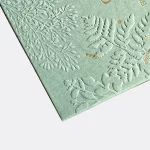
| Finish | Matte, gloss, aqueous, UV, foil, or embossing | Reflection, scuffing, folds, and glue areas |
| Interior | Open pack-out, insert, or divider | Product position and separation |
Give finished inside dimensions when the product fit matters. A product photo cannot show the clearance around a lid, a divider, or a glue tab. Describe the way the item enters the box and the position it should hold after packing.
Which board and flute suit a shipping box?
E-flute is a thinner corrugated flute that supports finer print detail, while B-flute is thicker and generally gives more cushioning and stacking strength. A flute is the wavy paper layer between the liners. Choose the flute with the product weight, pack-out, print detail, and shipping path in mind.
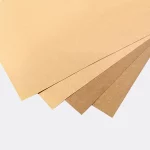
Kraft liner leaves a brown paper surface that changes how printed colors read. White liner gives the artwork a lighter starting surface and keeps color direction easier to judge. The board choice belongs in the proof because the same ink can look different on kraft and white board.
Should you choose a mailer or folding shipping box?
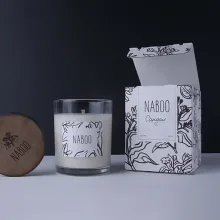
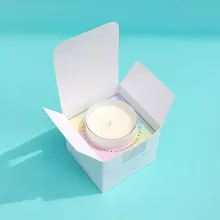
Choose a mailer when the opening and direct delivery presentation are part of the package. Choose a folding shipping box when the blank layout and closing path fit the packing routine better. Compare custom shipping boxes with custom folding shipping boxes. If the product is a candle, see custom candle shipping boxes as a category reference, then quote the actual product size and board.
Which finish works on delivery packaging?
Aqueous coating is water-based, dries quickly, and usually accepts glue and ink well on flaps. UV coating cures hard and glossy, resists scuffing better than aqueous, and can crack along score and fold lines. UV is harder to write on. Matte reduces reflection, while gloss increases reflection and can make broad color areas look more pronounced.
Use foil or embossing on a selected mark when the package needs a separate surface treatment. Put the finish in the proof with the logo, copy, board, scores, and glue tabs. A finish decision made on a flat artwork file is incomplete if the surface crosses a fold.
Do windows or inserts make sense for shipping boxes?
A window makes sense when the recipient needs to see the product before opening, but the cutout uses part of the printed panel and changes the uninterrupted surface. An insert or divider makes sense when the product or set needs a fixed position inside the shipping box. Choose from the pack-out, not from the feature name.
Window display boxes are a useful reference when visibility is part of the package direction. Decide whether that visibility belongs on the delivery box or on a separate display format. The dieline should show the cutout, film area, folds, and nearby artwork before approval.
What should you send for a shipping-box quote?
Send the product and packing details first. A usable quote brief includes:
- Product dimensions, weight context, and the way the item is packed.
- Finished inside dimensions or a physical reference.
- Preferred structure, opening, and closing path.
- Board, print panels, finish, window, insert, or divider requirements.
- Quantity, delivery destination, and any copy that must appear on the box.
Free design support can turn those inputs into a dieline and digital proof. The proof should show the box as an assembled package, with board, finish, artwork, and interior fit considered together.
CPL's MOQ is 100 units. Pricing is from $0.49 per unit at volume, quoted to spec. Production is typically 8 to 10 business days after proof approval, plus delivery. Free US shipping and free design support are available. Order the $19.99 sample kit, credited toward the first order, if board and surface comparisons will help. For larger quantity planning, see wholesale custom packaging.
Frequently Asked Questions
Does the board affect a shipping box's strength?
Board affects a shipping box's thickness, cushioning, print surface, and stacking behavior. E-flute is thinner and supports finer print detail, while B-flute is thicker and generally gives more cushioning and stacking strength. The product, pack-out, and shipping path should be included with the board choice before proof approval.
Can a custom shipping box have print on the inside?
A custom shipping box can include interior print when the selected structure supports it. Assign the logo, product copy, pattern, or message to the panel the recipient sees after opening. Check orientation, folds, closure areas, and glue tabs in the digital proof so the interior artwork does not read upside down.
When is a window useful on a shipping box?
A window is useful when product visibility is part of the package decision before opening. The cutout uses panel space and changes the uninterrupted print surface, so it belongs on the dieline with the artwork and folds. A window display box can provide a structural reference before the actual shipping-box dimensions are quoted.
What details make a shipping-box quote accurate?
An accurate shipping-box quote needs the product dimensions, pack-out, finished inside size, structure, board, print panels, finish, interior fit, quantity, and delivery destination. Those details show how the box must open, close, and hold the item. A product photo alone cannot define the clearance around folds, tabs, or inserts.
What are CPL's shipping-box terms?
CPL uses a 100-unit MOQ for custom shipping boxes. Pricing is from $0.49 per unit at volume, quoted to spec. Production is typically 8 to 10 business days after proof approval, plus delivery. Free US shipping and free design support are available, and the sample kit is $19.99, credited toward the first order.