











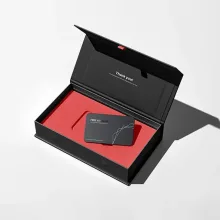
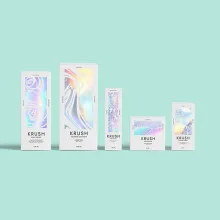
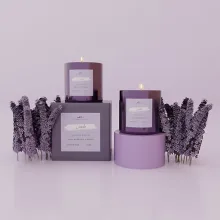


























How do you customize a jewelry box?
Start with the jewelry item and the way it should sit when the box opens. Write down the product dimensions, piece count, orientation, closure, and interior presentation needs before choosing print or finish. A jewelry box can be display-led, insert-led, built around a lid and tray, made from kraft board, or planned for a subscription pack-out.
| Catalog route | Best starting question | Details to confirm |
|---|---|---|
| Jewelry display boxes | Should the item be visible when opened? | Display angle, opening, print placement, and finish |
| Jewelry boxes with lid and tray | How should the lid and tray control the opening? | Lid direction, tray structure, artwork, and material |
| Jewelry boxes with inserts | How should the item stay positioned inside? | Insert shape, product position, print, and finish |
| Custom kraft jewelry boxes | Does the kraft surface fit the package direction? | Material appearance, ink coverage, closure, and finish |
| Custom jewelry subscription boxes | What must the recurring pack-out include? | Opening sequence, repeatable presentation, and print |
These catalog routes are decision points, not interchangeable templates. A display box gives more attention to how the item appears. A lid-and-tray structure puts the opening sequence at the center. An insert box puts the interior position first. Choose the route that matches the product, then describe the changes required.
What does a jewelry box insert need to do?
A jewelry box insert is the interior piece that holds the item in a planned position. It should support the jewelry without crushing it, leave enough room for the intended pack-out, and keep the item from moving around inside the box. The insert shape also changes what the buyer sees first when the lid opens.
Send the jewelry dimensions and orientation with the insert request. A cutout that follows the item too closely can make packing difficult, while excess space lets the piece rattle and changes the presentation. Check the insert against the lid, tray, and printed panels together. The inside of the box needs the same attention as the outside.
How do material and finish change the jewelry box?
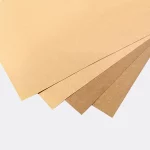
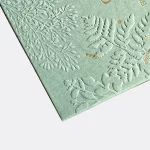
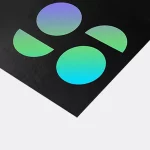
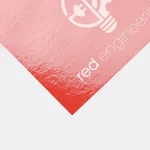
Material sets the base surface, while finish changes how the printed surface handles light and touch. Kraft board has a brown paper appearance that changes how ink reads. White board gives printed colors a cleaner base. Matte lamination diffuses light and reduces glare. Gloss lamination reflects more light and makes printed color look brighter. Foil adds a metallic accent, and spot UV adds gloss only where it is applied.
Choose the finish with the artwork and handling in view. A heavy gloss effect can compete with small type, while matte can make a dark color feel quieter. Spot UV works best when its position is deliberate. If the box needs writing on the surface, ask about the finish before locking the file.
How should jewelry box artwork be prepared?
Artwork should follow the selected box route and the dieline. A dieline is the flat cutting template that marks panels, trim, scores, glue tabs, and openings before the printer cuts the package. Keep type away from scores and trim, extend background art past the cut edge as bleed, and check which panel faces the buyer first.
CPL provides a digital proof before print. Use it to check logo position, visible panels, reading order, lid direction, inside print, finish notes, and insert-related artwork. Low-resolution images, RGB artwork that shifts during print preparation, and type placed across a fold are easier to fix before approval than after the file enters production.
What should a jewelry box customization brief include?
A useful customization brief puts the product, structure, appearance, and order details in one place.
| Area | Information to provide |
|---|---|
| Product | Jewelry dimensions, orientation, piece count, and presentation goal |
| Structure | Display box, lid and tray, insert format, kraft route, or subscription box |
| Appearance | Material direction, finish preference, logo position, and print coverage |
| Order | 100-unit MOQ, project quantity, destination, and timing needs |
What are the order terms for a custom jewelry box?
CPL's MOQ is 100 units. Pricing is from $0.49 per unit at volume, quoted to spec. Production is typically 8 to 10 business days after proof approval, plus delivery. Free US shipping and free design support are available. The $19.99 sample kit gives you a physical reference for surfaces and construction before the final direction is approved.
For broader package formats, visit custom packaging solutions. Send the jewelry dimensions, the closest catalog route, the artwork you have, and the finish direction you are considering. CPL can then organize the request around a real box structure and prepare the digital proof.
Frequently Asked Questions
How do I choose a jewelry box style?
Choose the jewelry box style from the presentation job. Display boxes suit an item that should be seen when opened, lid-and-tray boxes make the opening structure central, and insert boxes focus on interior positioning. Kraft and subscription routes address different material or delivery directions. Send the jewelry dimensions with the selected route.
Can a jewelry box include a custom insert?
A custom jewelry box can be planned around an insert that holds the item in position. Send the jewelry dimensions, orientation, piece count, and presentation goal so the insert fits the structure. Check the insert with the lid, tray, and printed panels because interior clearance affects both packing and opening.
What does kraft change in a jewelry box?
Kraft changes the base appearance of a jewelry box because its brown paper surface affects how printed colors read. Pair the kraft direction with the intended ink coverage, closure, and finish. A digital proof can show the planned artwork and help you check whether the surface supports the presentation before approval.
Will I see jewelry box artwork before printing?
Yes. Custom Packaging Lane provides a digital proof before print. Check the logo position, visible panels, reading order, lid direction, inside artwork, finish notes, and insert-related details on the proof. Approval should follow the structure and artwork check, because the production window starts after proof approval.
What quantity and timing should I plan for a custom jewelry box?
Plan for a 100-unit MOQ. Pricing is from $0.49 per unit at volume, quoted to spec, and production is typically 8 to 10 business days after proof approval, plus delivery. Free US shipping, free design support, and a $19.99 sample kit are available.