






















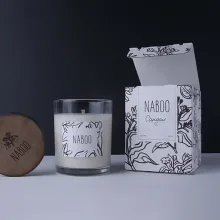
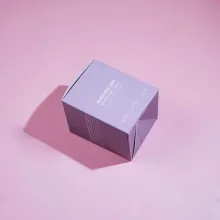
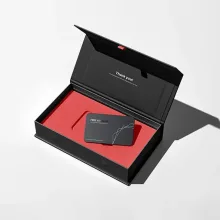
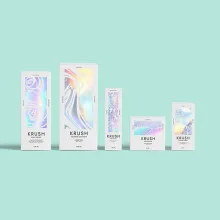
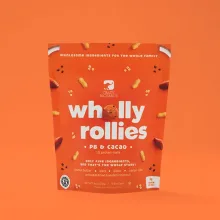































What makes a designer Mylar bag look intentional?
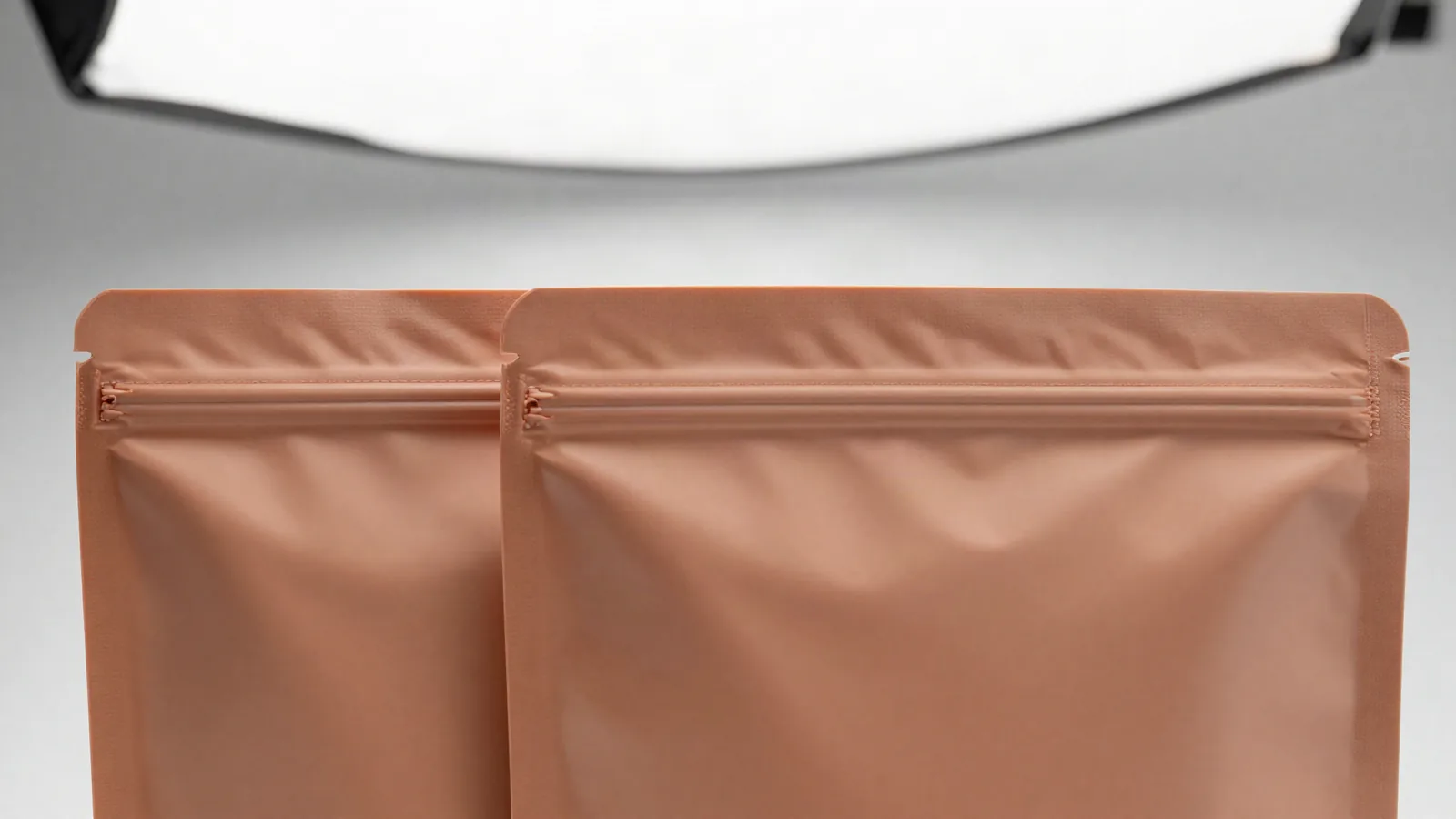
A designer Mylar bag looks intentional when the pouch shape, printed front, closure, and finish agree. Mylar is polyester film. A metallized film layer can add a barrier against light, moisture, and odor transfer. The finish changes the surface, but it does not fix a crowded logo or copy placed too close to a seal.
Start on the filled bag, not a flat front panel. Check where the zipper, heat seal, folds, and cut edges take space. A foil detail that looks centered on a rectangle can sit too high once the pouch stands or fills. The proof should show the actual bag outline and usable print area.
| Finish direction | Surface result | Proof priority |
|---|---|---|
| Matte | Low-reflective surface | Check color contrast and small copy |
| Foil | Reflective accent | Check placement and artwork separation |
| Holographic | Light-responsive visual effect | Check the effect across the full panel |
| Soft-touch | Tactile surface direction | Check hand feel near the closure |
Which finish should I choose for my designer Mylar bag?
Choose matte for a low-reflective background, foil for a reflective accent, holographic for a light-responsive surface, and soft-touch when hand feel belongs in the design.
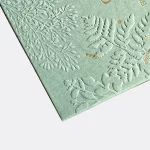
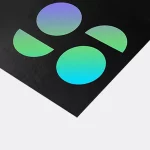
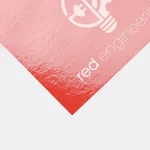
Matte is easier to read under direct light because it reduces glare. Foil depends on angle and needs clean separation from nearby copy. Holographic film changes as the viewing angle changes, so fine artwork can disappear against the pattern. Soft-touch changes friction and feel, but it does not replace a clear front panel.
How do bag shape and closure affect the finish?
Shape and closure set the usable panel, so select them before you lock the finish area.
A die-cut bag uses a cutting pattern to create a custom outline. Custom printed Mylar bags are a direct reference for coordinating print with the pouch format. Die-cut Mylar bags frame the relationship between silhouette and printed panel. Custom plastic Mylar bags give the quote a construction starting point, while custom Mylar ziplock bags make reclosure part of the artwork plan. Large Mylar bags need the print area checked against the filled product envelope.
What should a designer Mylar bag proof show?
The proof should show the finished shape, opening, closure, print orientation, finish coverage, seal areas, and copy placement.
- The usable front panel and actual bag outline.
- The logo, product name, instructions, and required copy.
- The finish coverage across areas where color or texture changes.
- The relationship between the finish and seals, zipper, folds, or cut edges.
- The filled product envelope and fill direction.
Ask the quote to separate bag construction, film, print, finish, closure, and quantity. That makes matte with a foil accent easier to compare against holographic or soft-touch. The word designer should never replace an actual bag specification.
How should I compare matte, foil, holographic, and soft-touch finishes?
Compare physical samples under the same light and with the same artwork, because a render can hide glare, angle changes, and hand feel.
Check small copy on matte, foil edges against ink, holographic pattern behind the logo, and soft-touch across the opening area. If the bag will be handled often, check the zipper and seal alongside the finish. A finish that looks right on a flat screen can read differently once the pouch is filled.
What are the MOQ, price, and timing for designer Mylar bags?
The MOQ for custom designer Mylar bags is 100 units. Pricing is from $0.49 per unit at volume, quoted to spec. Production is typically 8 to 10 business days after proof approval, plus delivery. Free US shipping and free design support are available.
How do I request a finish comparison?
Request a finish comparison with the bag format, filled product envelope, closure, artwork status, finish direction, quantity, and destination.
Use custom packaging design to organize the visual brief. Request the $19.99 sample kit to compare surface, opening, and hand feel. Free design support can help draw the dieline and prepare a digital proof before anything prints.
Frequently Asked Questions
Which finishes can CPL use on designer Mylar bags?
Custom Packaging Lane lists matte, foil, holographic, and soft-touch finish directions for designer Mylar bags. Matte reduces glare, foil adds reflective detail, holographic film changes with viewing angle, and soft-touch changes hand feel. The selected finish should appear on the quote and digital proof with the bag shape and closure.
What does soft-touch do on a Mylar bag?
Soft-touch changes the surface feel of a Mylar bag and gives the pouch a more tactile hand feel. It does not replace readable artwork or correct poor placement near a zipper or seal. Compare soft-touch with the actual bag shape, printed panel, closure, and required copy before approving the finish.
Can Mylar bags have custom shapes and closures?
Mylar bags can be discussed with custom outlines, zipper closures, and other construction choices. A die-cut Mylar bag uses a cutting pattern to create the outline, while a ziplock bag makes reclosure part of the package. Provide the product envelope, artwork, closure, and quantity for the quote.
What is the MOQ for designer Mylar bags?
The MOQ for designer Mylar bags is 100 units. Pricing is from $0.49 per unit at volume, quoted to spec. Production is typically 8 to 10 business days after proof approval, plus delivery. Free US shipping and free design support are available, and the $19.99 sample kit supports finish comparison.
How should I compare Mylar bag finishes before ordering?
Compare Mylar bag finishes with a physical sample under the light used for package handling. Check matte glare, foil reflection, holographic angle changes, soft-touch hand feel, copy readability, zipper placement, and seal areas. The $19.99 sample kit is a practical starting point before the final digital proof is approved.