






























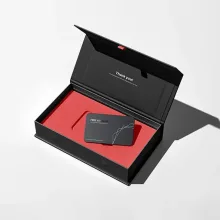












































A drone box has to hold the airframe and accessories in a controlled position through storage, handling, and delivery. Start with the folded or assembled drone, controller, batteries, propellers, cables, charger, manuals, and spare parts. Record exposed controls, camera or gimbal areas, battery contacts, and any part that should not carry pressure. A component map names each item and shows its orientation inside the insert.
What should a drone box protect during storage and delivery?
The insert should limit movement without pressing on controls, camera parts, antennae, or battery contacts. Name every component, show its orientation, and mark a removal path before choosing the outer shell. The opening order matters when the aircraft and accessories occupy different levels. A tight cavity can protect a part, but it also needs finger access so the user does not pull on a fragile component.
| Structure | Where it can fit | Key review point |
|---|---|---|
| Corrugated mailer | Parcel shipment and e-commerce presentation | Flute direction, edge protection, closure, and insert retention |
| Rigid two-piece box | Structured presentation packaging | Space for a fitted insert and lid removal |
| Drawer or slide box | Layered opening with organized accessories | Friction, pull access, and component order |
| Magnetic flap | Reusable presentation-led packaging | Closure placement and clearance around the product |
| Custom foam insert | Separated cavities for the drone and accessories | Each cavity matched to the component and handling sequence |
Which outer structure suits a drone product?
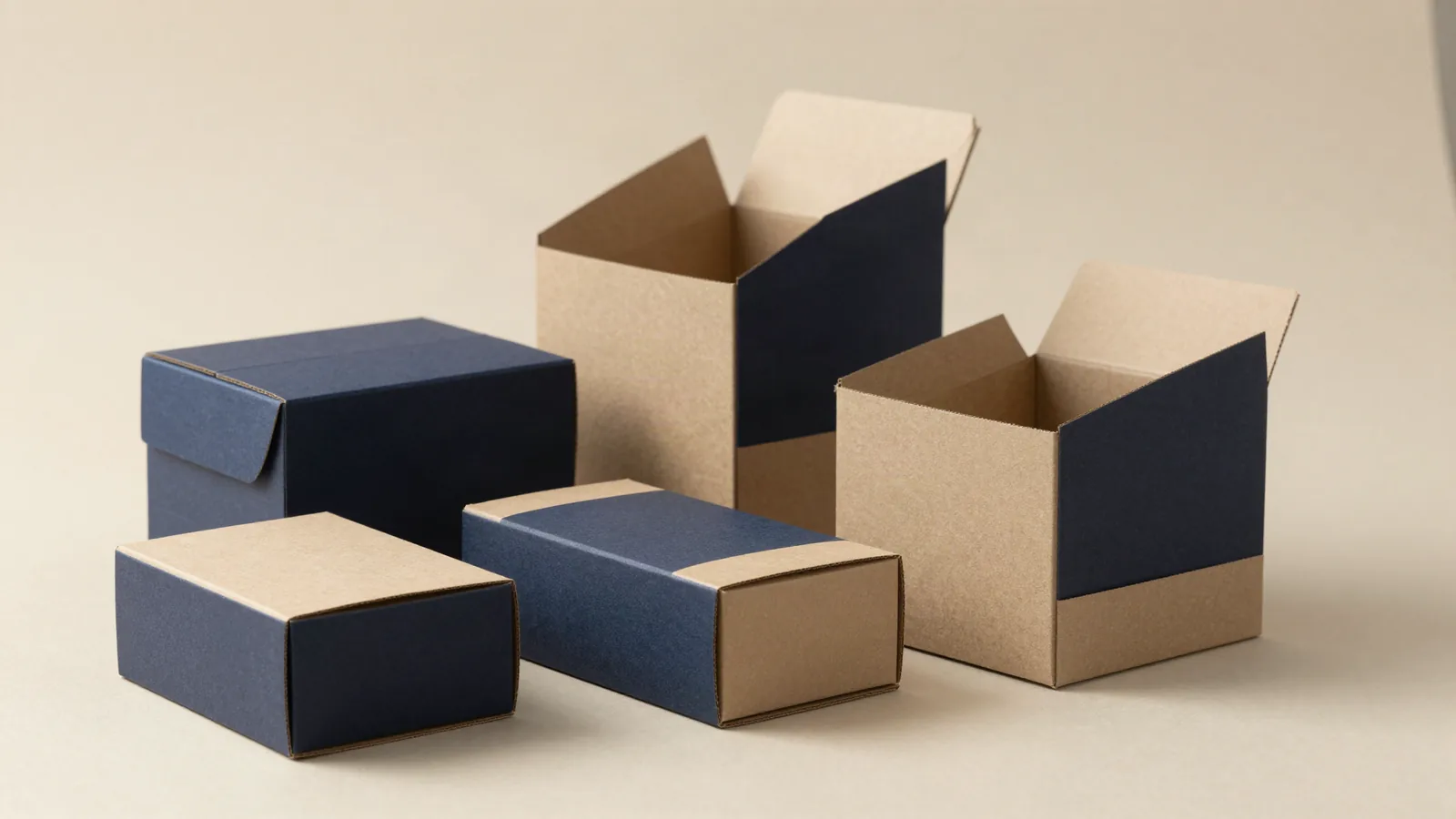
A corrugated mailer suits a parcel route, while a rigid two-piece box gives the product a firm shell for presentation. A drawer or slide box creates a layered opening, and a magnetic flap changes the closure and lid clearance. Corrugated packaging commonly references E, B, and C flutes. E flute is often selected for a finer printed surface and compact profile. B or C flute may be considered when cushioning or stacking performance needs more attention.
32 ECT is a common corrugated strength convention. The suitable board depends on packed weight, box dimensions, stacking, shipping route, and insert support. Keep the outer structure and insert in the same review.
How should the interior insert be designed?
Each insert cavity should have a named part, an orientation, and a removal path. Cameras, joysticks, antennae, propellers, and battery contacts may need clearance from the insert wall. A layered insert can place the aircraft above accessories, or it can isolate the main unit from loose parts. Add finger access where a tight cavity would otherwise make the user pull on a fragile component.
Rigid chipboard boxes commonly use 1.5 to 3 mm board wrapped in about 100 to 157 gsm art paper. GSM means grams per square metre, the standard way paper weight is stated. A corrugated outer box can use a printed liner or a separate paperboard presentation layer. These are general industry references. Share the actual packed configuration and shipping context when batteries are part of the shipment.
What print and finish choices work for technical packaging?
Offset CMYK is a common choice for detailed paperboard graphics. Flexographic printing is commonly associated with corrugated surfaces, while digital printing can suit short runs or multiple versions. Matte and gloss lamination change appearance and scuff behavior. Soft-touch changes the surface feel. Spot UV can direct attention to a logo or technical illustration. Foil stamping, embossing, and debossing belong away from folds, closures, cavity edges, and important instructions.
If the box uses a window, PET windows are commonly about 0.2 to 0.3 mm, subject to the construction. A visible product can support presentation, while a closed pack can limit light, dust, and handling exposure. Check low-resolution art, RGB conversion, bleed, and type near scores before the artwork is approved.
How do you prepare a drone packaging quote?
- List the drone, controller, batteries, charger, propellers, cables, manuals, and all accessories that ship together.
- Provide inside dimensions for the packed set, component weights, folded or assembled orientation, and no-contact zones.
- Choose the outer structure and describe parcel handling, stacking, storage, and display requirements.
- Mark the areas that need custom foam, pulp, board dividers, or a separate accessory compartment.
Compare custom drone packaging boxes, custom foam box inserts, and shoe box packaging when you need to compare insert-led structures and compact cartons. For a broader project route, see wholesale custom packaging.
What should be checked at proof approval?
Check the outside panels, interior cavity map, component labels, fold sequence, closure, artwork orientation, and finish locations. The packed drone should not contact the lid. Accessories should stay out of the airframe cavity, and the insert should come out without forcing delicate parts. The final quote is from a 100-unit minimum, with pricing from $0.49 per unit at volume, quoted to spec. Production is typically 8 to 10 business days after proof approval, plus delivery. Free US shipping, free design support, and a free dieline support the setup. The $19.99 sample kit is credited to the first order.
Frequently Asked Questions
What dimensions should be measured for a drone box?
A drone box should be measured around the packed state, so record the airframe, controller, battery, charger, propellers, cables, and documents separately. Note length, width, depth, weight, protrusions, and no-contact zones. The useful reference is the inside measurement of the packed arrangement, not only the product marketing dimensions.
Is corrugated or rigid board better for drone packaging?
Corrugated board is commonly considered for parcel handling because flute construction affects cushioning and stacking behavior. Rigid chipboard is commonly considered for a firm presentation shell. The choice depends on packed weight, shipping route, insert design, stacking, and whether the box is mainly a shipper, a display pack, or both.
How are drone accessories kept from moving inside the box?
Drone accessories are kept in place with custom cavities, dividers, trays, or layered inserts. Map each component to a dedicated position and add retention around loose parts such as propellers and cables. Clearance matters as much as tightness. The insert should limit movement without pressing on controls, camera parts, antennae, or battery contacts.
What corrugated flute references apply to a drone shipper?
E, B, and C flutes are common corrugated references. E flute can suit a compact profile and finer print surface, while B or C flute may be considered for more cushioning or stacking needs. 32 ECT is a familiar strength convention. Final selection depends on packed weight, box dimensions, insert support, stacking, and the carrier route.
Can the drone box include branded finishing?
A drone box can include branded finishing through offset CMYK, flexographic printing, digital printing, matte or gloss lamination, soft-touch, spot UV, foil stamping, embossing, or debossing. Place finishes away from folds, closures, cavity edges, and instructions. The proof should show the artwork and finish locations against the actual structure.