




























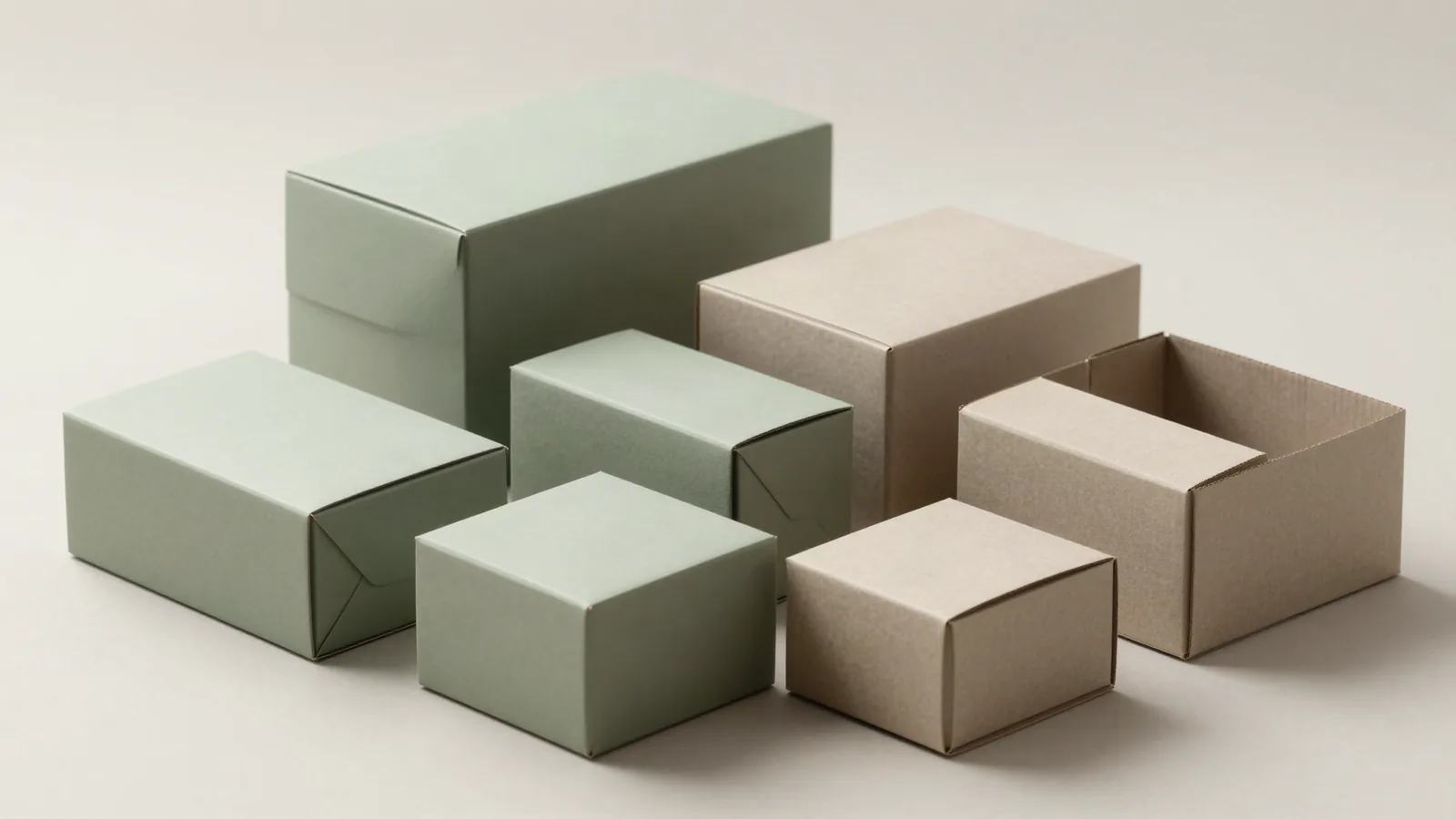




















































Start with the item and the way it will be handled. A Halloween box may hold a treat, a gift, a seasonal kit, or a retail display pack, and each job changes the opening and the amount of protection required. A dieline is the flat cutting template used to print, cut, score, and fold the box. The custom packaging design guide helps organize the dieline, artwork, board, finish, and pack-out notes before the quote is fixed.
What should a Halloween box make easy for the buyer?
The package has to make the contents easy to recognize, load, open, and protect. Measure the packed item, including its wrapper, cap, insert, or bundled pieces, before choosing a box shape. Record inside length, width, and depth, then check the fit. A loose insert lets a product rattle. A cavity cut to the exact product size can make loading slow, so leave the clearance the pack-out needs.
Decide where the box will open. A treat pack needs quick access. A gift pack needs a controlled reveal. A seasonal kit needs an insert or divider. If the box will enter parcel handling, record the outside dimensions too. Box dimensions are normally written as length x width x depth, with inside measurements used for the product fit.
Which board works for a seasonal Halloween box?
Folding cartons use paperboard. Mail-ready packages use corrugated board with a flute suited to the packed size. SBS, C1S, and C2S paperboard are commonly referenced from 12 to 24 pt. Kraft board is commonly referenced from 18 to 24 pt when the natural surface belongs in the artwork. Corrugated E, B, and C flutes change the board thickness and stacking behavior, and 32 ECT is a common strength reference for a shipper.
| Package job | Typical material reference | What to check |
|---|---|---|
| Small treat carton | SBS, C1S, or C2S, 12 to 24 pt | Panel size, scores, closure, and print coverage |
| Natural-look carton | Kraft board, 18 to 24 pt | Board tone, ink contrast, and fold behavior |
| Protective outer box | Corrugated E, B, or C flute, 32 ECT | Outside size, void space, and stacking pattern |
Which structure suits treats, gifts, and seasonal kits?
A pillow box has a curved profile and end closures. A gable box adds a built-in handle direction. A sleeve wraps an inner tray or carton, so the printed outer layer can change without changing the inner pack. A straight tuck end or reverse tuck end carton gives the packing table a familiar top closure. An auto-lock bottom changes the base setup. A two-piece rigid box, drawer or slide format, or tuck carton changes the opening from a quick lift to a more deliberate reveal.
Compare the catalog format with the contents. Halloween treat boxes fit small seasonal presentations. Halloween cupcake boxes and Halloween cookie boxes show why the product height and opening direction belong in the same drawing. For beverages, review Halloween juice boxes. Gift work can start with Halloween gift boxes and the broader Halloween boxes range.
Should a Halloween box have a clear window?
PET window film is commonly referenced around 0.2 to 0.3 mm when the contents need to be visible through a closed box. Place the cutout where the product naturally faces forward, then leave enough board around it for the panel to fold and the closure to hold. A window clarifies contents but removes board. Check the cutout against scores, glue areas, and the insert.
What artwork and finish work on a seasonal box?
Offset CMYK suits detailed paperboard graphics. Digital printing suits short runs or changing artwork. Put panels, folds, glue tabs, window, and bleed on the approved dieline before final artwork. RGB art can shift when it is converted for press. Type set too close to a score can become hard to read after folding, and missing bleed can leave a board-colored edge.
Matte and gloss lamination change glare and surface feel. Spot UV creates a hard gloss contrast over a selected area. Foil stamping adds a metallic accent. Embossing raises the board, while debossing presses a detail into it. Keep these effects away from folds and glue zones. A digital proof comes before printing. A press check should inspect ink coverage, type, registration, and finish placement.
How should the box be checked before production?
Use a physical mockup or sample with the actual contents. Load, close, open, then view the front panel at the display angle. Compare it with the dieline and verify inside dimensions. A common convention allows about 1/16 in, or 1.5 mm, tolerance for verification.
If treats touch the printed board, ask us about food-contact options for your product. Child-resistant features can be built when the structure needs one, but any regulatory decision remains separate from the package drawing. For a shipped box, check the master-carton count, pallet pattern, seam, closure, and void space. US ground dimensional weight commonly uses L x W x H / 139, so outside size belongs in the shipping discussion.
Custom Packaging Lane quotes Halloween boxes from a 100-unit minimum, with pricing from $0.49 per unit at volume, quoted to spec. Production is typically 8 to 10 business days after proof approval, plus delivery. The quote includes free US shipping, free design support, and a free dieline. Order the $19.99 sample kit, credited to the first order, when a physical reference will settle the fit and finish questions.
Frequently Asked Questions
How do I choose between a pillow box, gable box, and tuck carton?
A pillow box suits a curved hand-held presentation, while a gable box adds a handle direction for carrying. A straight tuck end or reverse tuck end carton gives the packer a familiar top closure. The contents, product height, insert needs, and shipping path should decide the structure before the seasonal artwork is placed.
What thickness is common for a Halloween paperboard box?
SBS, C1S, and C2S paperboard are commonly referenced from 12 to 24 pt for folding cartons. Kraft board is commonly referenced from 18 to 24 pt when the natural surface is part of the design. The chosen caliper still needs a fit check against the panel size, scores, closure, insert, and way the box will be handled.
Can a Halloween box include a PET window?
A Halloween box can use PET window film, commonly referenced around 0.2 to 0.3 mm, to show the contents while the box stays closed. The cutout needs board around its perimeter and clearance from scores, folds, glue areas, and closures. Check the real product orientation on a mockup before approving the window position.
What should the artwork file show before printing?
The artwork file should show the approved dieline, front and side panels, folds, glue tabs, window area, bleed, and any barcode or required copy. RGB artwork can shift during press conversion, and type near a score can fold into an unreadable position. A digital proof gives the buyer a chance to catch those issues before printing.
How do I test a Halloween box with treats or gifts inside?
Test the Halloween box with the actual treat, gift, insert, or bundled set. Load it, close it, open it, view the contents, and check the display or shipping orientation. Compare the sample with the inside dimensions, closure, artwork, window, finish, and pack-out notes. If contents touch the board, ask about food-contact options for the product.












