











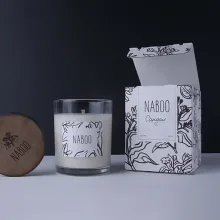
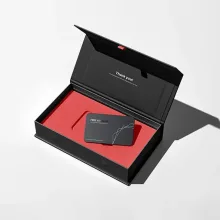
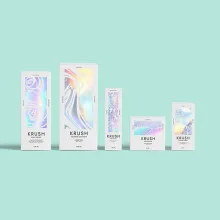
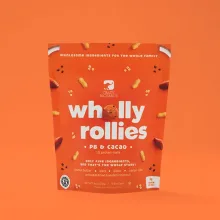
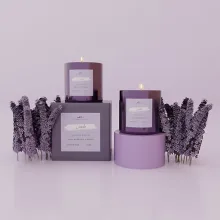
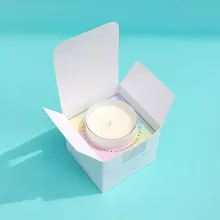
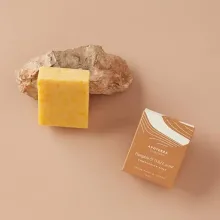



























Custom box design starts with the product and the job the package must perform. Send the product description, packed dimensions, opening method, artwork status, quantity, destination, and any material or finish direction you already have. A sketch is enough to start. The structure should be settled before the artwork is polished, because a good flat layout can still fold into the wrong front panel or leave the product loose.
What happens first in the custom box design process?
The first step is to describe how the product enters, sits in, and leaves the box. Say whether the box will ship by itself, sit on a shelf, show the product through a window, or hold several components. Include rough dimensions if known. Free design support can turn that brief into a box direction that is easier to review.
Resolve the package role before choosing decorative details. A window, lid, sleeve, insert, or locking panel changes the available artwork area and the way the customer opens the package. The early brief should name those features instead of leaving them for the proof stage.
How does a sketch become a dieline?
A dieline is the flat cutting and folding template for a box. It marks cut lines, scores, glue tabs, window cuts, and artwork panels before the package is assembled. CPL's free design support uses the product brief and selected structure to organize those areas, then sends a digital proof before anything prints.
| Design stage | Buyer provides | Stage should settle |
|---|---|---|
| Concept direction | Product, use, sketch, or reference | Package role and opening path |
| Structure selection | Fit, presentation, and handling needs | Box style, panels, and construction |
| Dieline planning | Confirmed structure and orientation | Cut lines, folds, glue areas, and panel order |
| Artwork placement | Logo, copy, images, and finish direction | Reading order on the assembled box |
| Digital proof | Current artwork and open questions | Final review before proof approval |
The flat file should be read as an assembled box, not as a row of unrelated panels. A logo that looks centered on screen can land near a fold after assembly. A headline can turn onto a side panel. The proof is where those problems should be found.
Which box format should you choose before artwork?
Choose the box format from the product workflow and opening path before placing final artwork. A window can make product visibility part of the front panel. A display format may need a shelf-facing panel. A specialty box may need fewer panels and a controlled opening. The structure decides what the artwork has to do.
Window soap boxes are a useful reference when a visible product area affects the front panel. Window display boxes help frame a discussion about shelf presentation and visibility. Window boxes provide another format reference for connecting a cutout to the artwork plan. These catalog pages are starting points, not universal structures for every product.
What should artwork review catch?
Artwork review should catch orientation, cut lines, scores, glue tabs, window edges, bleed, and copy placement. Type set too close to a score can become hard to read after folding. Low-resolution art can look soft in print. RGB art can shift when it is converted for press. A barcode or small line of copy needs enough clear space from folds and cuts.
Review the assembled view and the flat view together. Confirm the logo version, supplied copy, images, color direction, and finish notes. Keep the editable working file available for revisions. Free design support can help organize supplied artwork on the dieline, but the buyer confirms the final wording and approves the proof.
When does production start for a custom box?
Production starts after proof approval, not when the first concept is discussed. Production is typically 8 to 10 business days after proof approval, plus delivery. Concept decisions, artwork revisions, internal signoff, and destination planning happen before that approval milestone.
The minimum order is 100 units. Pricing is from $0.49 per unit at volume, quoted to spec. Free US shipping and free design support are available. Keep the approval path clear so production timing is not confused with the time needed to settle the structure.
When does a physical sample help?
A physical sample helps when the open path, board feel, surface, window, or assembled artwork is difficult to judge on a screen. The $19.99 sample kit can support the early structure and finish conversation. It is credited toward the first order. Use the sample while the format is still open, not after every artwork decision is locked.
What should I send for free design support?
Send the product description, packed dimensions, package role, opening method, rough sketch, artwork status, quantity, destination, and desired material or finish direction. Use custom packaging design when the project needs help connecting a concept to a print-ready dieline. CPL can then prepare a digital proof for review before anything prints.
Frequently Asked Questions
Can I start a custom box with only a sketch?
Yes. A sketch, product description, reference image, or rough idea can start a custom box request. Include what the package holds, how it opens, how the product should sit, and what the customer should see first. CPL's free design support can use that brief to develop a structure and dieline for review.
What is a dieline in packaging?
A dieline is the flat cutting and folding template for a package. It shows cut lines, scores, glue tabs, window cuts, and artwork panels before the box is assembled. Reviewing the dieline helps catch panel order, upside-down copy, fold conflicts, and unreadable placement before the digital proof is approved.
How should artwork be placed on a box dieline?
Artwork should be placed with the assembled box in mind. Check the front, sides, opening area, scores, glue tabs, window edge, cut line, bleed, and small copy. Low-resolution art can print softly, and RGB art can shift during press conversion. Review the flat file and assembled view together.
When does custom box production begin?
Custom box production begins after proof approval. Production is typically 8 to 10 business days after proof approval, plus delivery. The concept, structure, artwork revisions, and buyer signoff should be settled before that milestone. The minimum order is 100 units, and pricing is from $0.49 per unit at volume, quoted to spec.
How much does custom box design support cost?
Custom box design support is free. Send the product, dimensions, opening method, package role, artwork status, quantity, destination, and finish direction. CPL can help organize the structure, draw a dieline, and send a digital proof before anything prints. The minimum order is 100 units, with pricing from $0.49 per unit at volume, quoted to spec.