



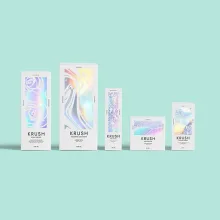
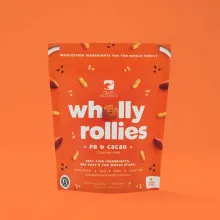
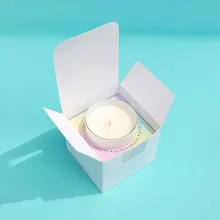






































When does a lock bottom box make sense?
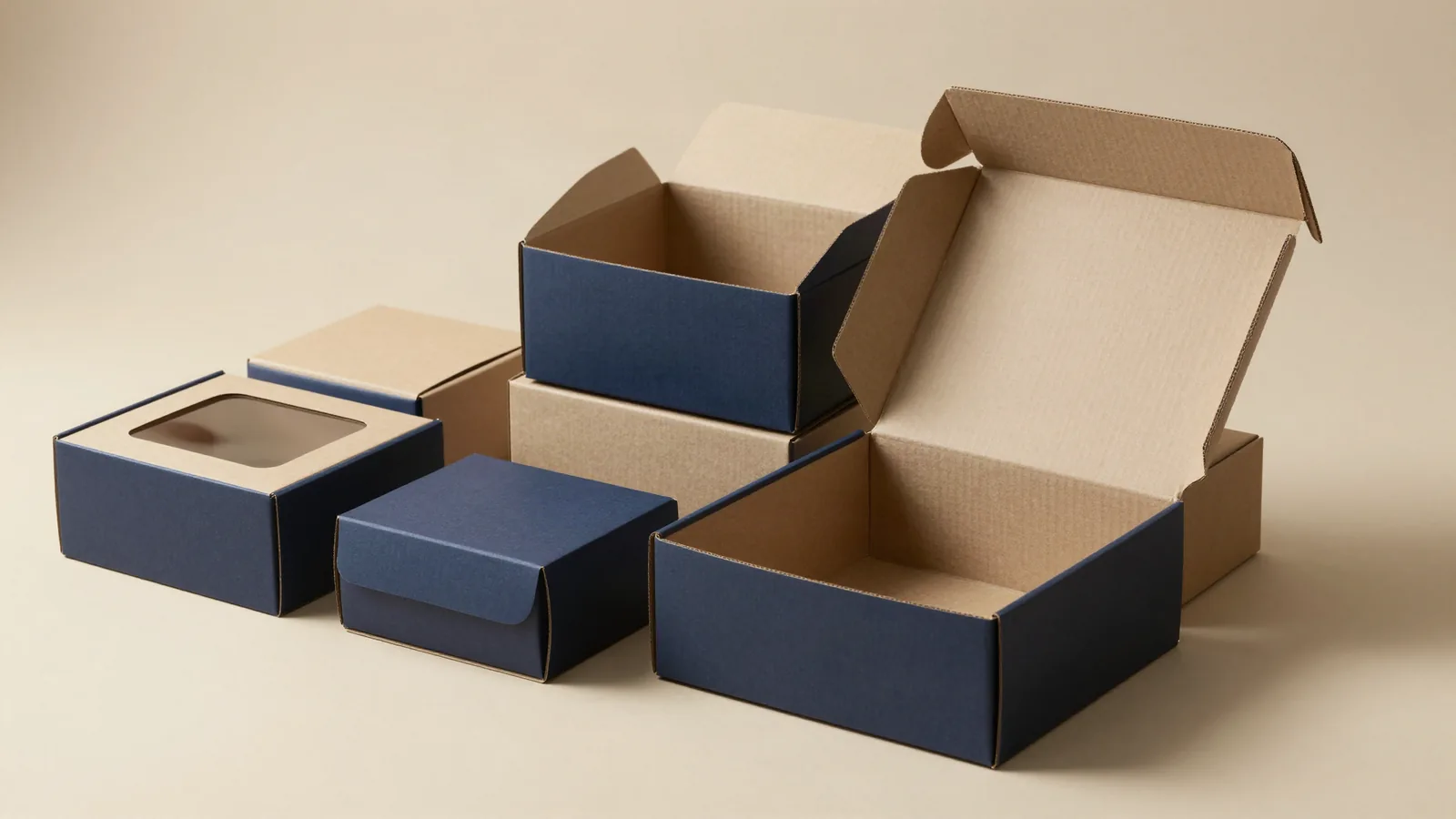
The base forms as the carton is opened and folded, so the packer gets a standing platform before the product goes in. That is the practical reason to choose a lock bottom box. The structure still depends on board caliper, panel geometry, product weight, and the way the carton is packed. A lock bottom box is a folding carton with interlocking bottom panels, not a universal strength rating.
Use custom snap lock bottom boxes when the base closure is the main structural decision. Wine box packaging is a useful reference for tall products, while shoe box packaging shows how a wider footprint changes the opening and interior plan.
How does the locking base close?
The panel order determines whether the base locks cleanly or fights the board. A dieline is the flat cutting and creasing template for the carton, and it should show that fold order before artwork is finalized.
| Part of the carton | Decision to make | Sample check |
|---|---|---|
| Locking bottom panels | Which panel folds first and where does it tuck? | Base forms without forcing a score |
| Side walls | What clearance keeps the walls square? | Corners meet without bowing |
| Top closure | Should the top be tuck, snap, or another closure? | Opening works with the product inside |
| Glue zone | Where can the adhesive panel sit? | Bond stays clear of artwork and folds |
Pack a real sample. An empty carton can look fine while a heavy or tall product pulls the base out of square. Open and close several samples, then check whether the lock engages at the same point each time. Keep barcode panels, small type, foil, and spot UV away from scores, glue areas, and tight closure clearances.
Which board thickness works for this carton?
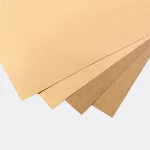
SBS, C1S, and C2S paperboard are commonly specified in the 12 to 24 pt range for folding cartons. Kraft board is commonly discussed around 18 to 24 pt and gives the carton a more natural surface. Caliper is board thickness. It changes the fold feel, panel clearance, stiffness, and the space available for the locking tabs, so it belongs in the structural brief.
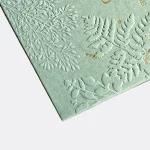
Offset CMYK suits detailed carton artwork. Digital printing can suit a short version test, while matte or gloss lamination changes sheen and soft-touch changes the feel. Spot UV, foil stamping, embossing, and debossing can mark a logo or panel, but each treatment needs room around folds and the locking base. If the finish crosses a score, check the fold on a physical sample.
What dimensions should go on the dieline?
Inside dimensions are written as length x width x depth, followed by the product arrangement, wrap, insert, and clearance. Measure the largest point of the product, including anything that changes its packed footprint. A common planning tolerance is about 1/16 in, or 1.5 mm, but the final fit also follows board thickness, fold accuracy, product variation, and hand-packing method.
When the product rattles, a paperboard insert or custom foam box insert can set its position. The insert cannot be cut only to the nominal product size if the product has a wrap, handle, cap, or other protruding point. Custom DNA test kit boxes are a relevant reference when compartments, instructions, and a fixed loading order shape the interior.
Is a lock bottom box suitable for parcel shipping?
Parcel use starts with the packed footprint, not the carton name. Review the outside length, width, and height, the board, product weight, closure, and any protective pack around the carton. A mailer commonly associated with FEFCO 0427 is a separate roll end tuck top structure, so do not treat that code as a lock bottom specification. For early US ground planning, dimensional weight commonly uses L x W x H / 139. That is a planning convention, not a freight quote.
What should I send for a lock bottom box quote?
The useful starting file has product dimensions, packed weight, product count, loading sequence, top closure, board family, print coverage, finish, insert needs, and destination. The more important detail is the failure you are trying to avoid, such as a base that opens under load, a product that shifts, or artwork that lands on a score.
Custom Packaging Lane quotes lock bottom boxes from a 100-unit minimum, with pricing from $0.49 per unit at volume, quoted to spec. Production is typically 8 to 10 business days after proof approval, plus delivery. Free US shipping, free design support, and a free dieline are available. Order the $19.99 sample kit, credited toward the first order, then use the wholesale custom packaging hub to organize the request.
Frequently Asked Questions
Does a lock bottom box need glue?
A lock bottom box uses interlocking bottom panels, but the finished carton can still have a glued side seam or glue tab. The dieline sets that construction. Check a sample with the product inside, then inspect the base, side-wall alignment, and top closure through repeated assemblies before approving the artwork.
Is a lock bottom box stronger than a tuck box?
A lock bottom box gives the product a formed base, while a tuck box uses a different closing sequence. Neither name sets a universal strength level. Board caliper, footprint, product weight, score placement, glue, and handling decide the result. Compare assembled samples with the actual packed product when the base carries load.
What board thickness is common for lock bottom cartons?
SBS, C1S, and C2S paperboard are commonly specified from 12 to 24 pt for folding cartons. Kraft board is commonly discussed around 18 to 24 pt. The right caliper depends on the footprint, weight, locking tabs, and finish layers, because thicker board changes both stiffness and panel clearance.
Can a lock bottom box include an insert?
A lock bottom box can include a paperboard or foam insert when the product needs separation or positioning. The insert and carton should be drawn together so the product fits, the loading sequence works, and the lid or top closure clears the insert. Supply the largest product dimensions, wrap, and required clearance.
What should I include in a lock bottom box request?
A lock bottom box request should include inside dimensions, product weight, product count, loading order, top closure, board family, print coverage, finish, insert needs, and destination. State whether packing is by hand and whether the base must support a heavy or tall item. Those details give the dieline a real job to solve.