



















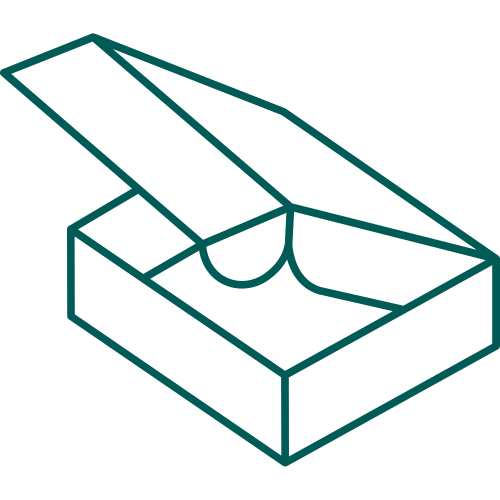
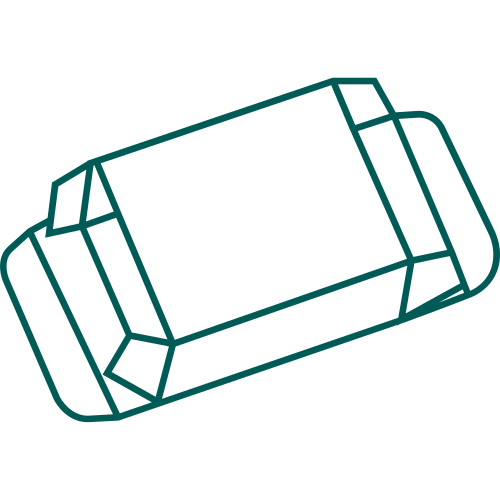



















































A crash bottom box is a folding carton whose bottom panels fold into a formed base as the carton opens. Buyers look at this structure when the packer needs a defined bottom without assembling separate bottom flaps one by one. The lock depends on the dieline, board, glue points, and finished dimensions, so the name alone does not confirm fit.
Start with the product footprint and loading motion. Record whether the item enters from the top, whether an insert is needed, and whether the carton sits on a shelf, travels through parcel handling, or does both. The physical sample is where you check the base, sidewall alignment, top closure, and product clearance.
Why choose a crash bottom box for a product pack?
The formed base is the reason to consider a crash bottom. It gives the packer a defined bottom during setup and can reduce separate bottom assembly. Board caliper, glue area, product weight, and fit still control the result. A base that looks correct on the flat dieline can pull the side panels out of alignment when it is opened, so test the folded carton with the real load.
Which board should carry the base?
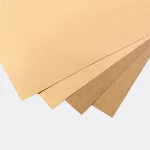
The bottom lock needs a thickness that folds cleanly and carries the packed load. Board caliper is the material thickness that changes fold behavior, stiffness, and usable interior space. These are common industry reference ranges, and mills can supply different constructions within them.
| Material | Common reference | Planning focus |
|---|---|---|
| SBS, C1S, or C2S paperboard | 12 to 24 pt | Printed folding cartons and clean panel graphics |
| Kraft board | 18 to 24 pt | Firm folds with a natural paper appearance |
| Corrugated board | E, B, or C flutes, including 32 ECT references | Shipping-oriented outer construction |
| Rigid chipboard | 1.5 to 3 mm wrapped in 100 to 157 gsm art paper | Stiff formats with a separate lid or sleeve |
A broad base, tall wall, or concentrated product load can change how the bottom panels meet. Send inside length, width, and depth with the packing method, then check whether the chosen board gives the base enough support without taking the clearance the product needs.
How does crash-lock compare with other box structures?
A straight tuck end uses top and bottom tuck flaps, while a reverse tuck end sends the tuck panels in opposing directions. An auto-lock bottom arrives with a formed locking base. A crash-lock bottom folds its connected panels into position during setup. A mailer using FEFCO 0427 has a roll end with a tuck top and follows a shipping-style layout.
| Structure | Common use in a planning brief | Question to answer |
|---|---|---|
| Straight tuck end | Top and bottom tuck flaps | Will manual packing remain practical? |
| Reverse tuck end | Opposing tuck directions | Which panel should carry the main artwork? |
| Auto-lock bottom | Pre-formed locking base | How should the carton arrive and open? |
| Crash-lock bottom | Bottom folds into position during setup | Does the sample hold alignment during filling? |
| Mailer, FEFCO 0427 | Roll end with tuck top | Does the package need a shipping-style opening? |
A snap-lock bottom is another related structure. Its interlocking panels can create a different setup motion from a crash-lock base. The choice follows the loading motion, base support, and handling path. Compare the bottom lock and top closure together on the sample.
What dimensions and tolerances should I use?
Give inside length x width x depth, then add the product, insert, wrapped presentation, and opening direction. About 1/16 in, or 1.5 mm, is a common planning tolerance. The final clearance belongs to the physical sample, because board thickness and fold positions change the usable interior.
Do not size only from an external reference. A crash bottom uses folded panels inside the stated footprint, and an insert cut to the exact product size can stop movement while still binding if the product has a sleeve or wrap.
How will printing and finishing change the build?
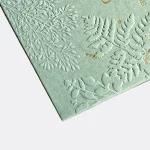
Offset CMYK is common for folding-carton graphics. Flexo is common on corrugated surfaces, while digital printing can suit short runs or artwork changes. Matte or gloss lamination changes reflection. Soft-touch changes surface feel. Spot UV, foil stamping, embossing, and debossing change the surface and need space around scores, glue areas, and the bottom lock.
If a logo crosses a fold or bottom panel, check it on the dieline before approving the proof. A digital proof catches low-resolution art, RGB color conversion, missing bleed, and type set too close to a score before production.
Which product pages help me compare formats?
Compare wine box packaging, shoe box packaging, custom snap-lock bottom boxes, and custom foam box inserts as related format references. Use custom packaging design for artwork and structural planning across product types.
For a quoted crash bottom project, pricing is from $0.49 per unit at volume, quoted to spec, from a 100-unit minimum. Production is typically 8 to 10 business days after proof approval, plus delivery. Free US shipping and free design support, including a free dieline, are available. The $19.99 sample kit is credited to the first order.
Frequently Asked Questions
What is a crash bottom box?
A crash bottom box is a folding carton whose bottom panels fold into a formed base during setup. The structure can reduce separate bottom assembly for the packer, but the finished lock still depends on board, glue points, product load, dimensions, and the dieline. Check the real packed carton before production approval.
Is a crash bottom the same as a snap-lock bottom?
A crash-lock and snap-lock bottom are related locking structures, but their fold patterns and setup actions can differ. A snap-lock design may use interlocking panels, while a crash-lock design folds connected panels into position. Compare the actual dielines and samples against the product load and packing motion before choosing.
Which board range is common for a crash bottom carton?
A crash bottom folding carton commonly starts with 12 to 24 pt SBS, C1S, or C2S paperboard, or 18 to 24 pt kraft board. Corrugated formats may use E, B, or C flutes with 32 ECT references. The final choice follows footprint, wall height, product load, and finish.
How should I provide crash bottom dimensions?
Crash bottom dimensions should be supplied as inside length x width x depth, with the product, insert, wrapped presentation, opening direction, and packing method. About 1/16 in, or 1.5 mm, is a common planning tolerance. A folded sample confirms the usable interior and whether the bottom lock stays aligned.
Can a crash bottom box carry printed artwork?
A crash bottom box can carry printed artwork. Offset CMYK is common for folding-carton graphics, digital print suits short runs, and flexo is common for corrugated surfaces. Matte or gloss lamination, soft-touch, spot UV, foil stamping, embossing, and debossing should be placed around scores, glue areas, and the bottom lock.