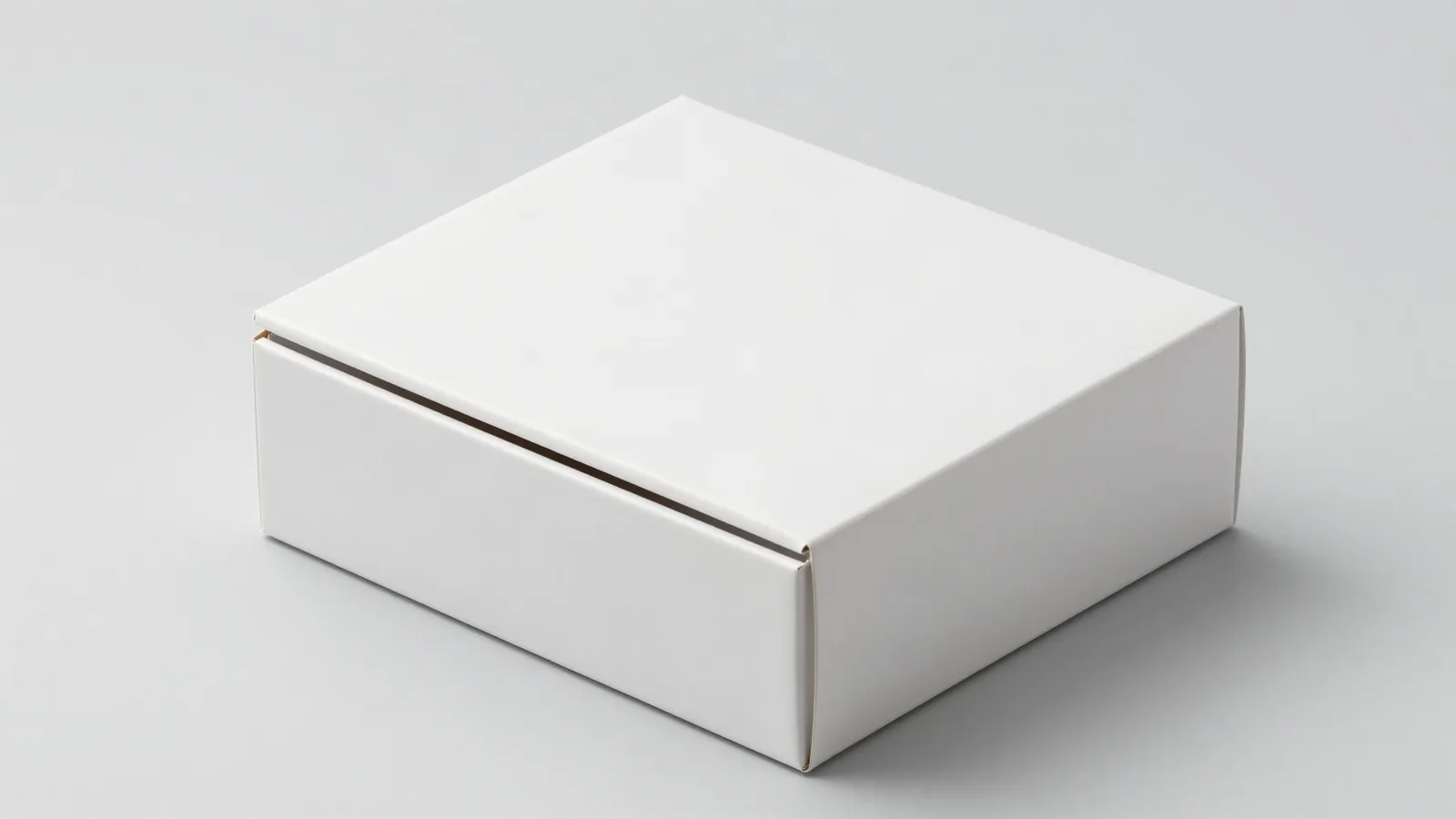



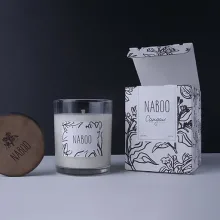

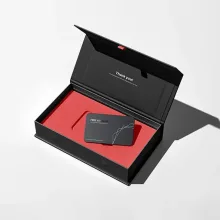
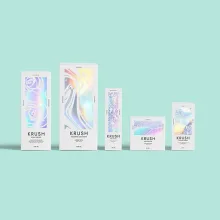









































A luxury box packaging design supplier has to connect the product, structure, artwork, and finished opening before the file goes to press. Custom Packaging Lane is a US-based packaging supplier that can start with product length, width, and depth, then develop the structure and visual panels around the way the box will be handled.
What should a luxury box packaging design supplier decide with me?
The first decision is the physical opening, because it controls every panel that follows. A two-piece rigid box lifts apart. A magnetic flap folds from a hinge. A drawer or slide moves through an outer sleeve. A sleeve wraps an inner package. The product, insert, closure, and first visible brand panel need to agree with that movement.
Rigid chipboard commonly falls in the 1.5 to 3 mm range and is often wrapped in 100 to 157 gsm art paper. Chipboard gives the box its form. The art paper carries the visible print and finish. Those figures are typical industry planning ranges, so the proposed construction still needs to be checked against product weight, box size, lid fit, and packing method.
Which luxury box structure fits the opening sequence?
A separate base and lid suit a lift-off reveal, while a magnetic flap gives the front panel a hinge and closure point. A drawer or slide creates progressive access through an outer sleeve. A sleeve can add a second printed surface around another box or tray. Select the opening before placing artwork or special finishes.
| Structure | Physical motion | Design check |
|---|---|---|
| Two-piece rigid | Lift-off opening | Lid-to-base fit, reveal, interior arrangement |
| Magnetic flap | Front-opening hinge | Flap proportions, hinge, closure area |
| Drawer or slide | Inner component moves forward | Slide resistance, pull detail, product retention |
| Sleeve | Outer layer moves around an inner package | Clearance, friction, panel alignment |
A dieline is the flat cutting template used to print and cut the package. Specify inside length x width x depth and label outside dimensions separately. About 1/16 inch, or 1.5 mm, is a common packaging tolerance reference. A physical sample matters because the tolerance affects lid fit, drawer resistance, reveal, and insert clearance.
How do board and wrap choices change the design?
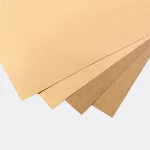
SBS, C1S, or C2S paperboard in the typical 12 to 24 pt range can support a folding carton or sleeve. Kraft board in the typical 18 to 24 pt range gives a natural paperboard surface. Rigid chipboard with an art-paper wrap creates a different wall, edge, and folding behavior from a single paperboard sheet. The structure determines which panels exist and where seams, scores, and glue tabs land.
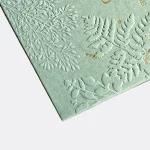
Offset CMYK is commonly used for detailed artwork. Digital printing can suit a short run or an iterative concept. Matte or gloss lamination changes reflectivity, soft-touch changes the hand feel, and spot UV creates a selective glossy area. Foil stamping adds a reflective accent. Embossing raises the paper surface, while debossing presses it down. Put each treatment on the template so a finish does not land across a score or hinge.
How should artwork move from concept to proof?
The template comes before the finished artwork. Start with the product dimensions and the opening sequence, then build the panels, bleed, fold lines, glue areas, and hidden surfaces from the structural drawing. Do not design on a flat rectangle and hope the panels line up later.
Prepress catches practical problems. RGB art can shift when converted for press. Low-resolution images can soften at the final size. Type too close to a score can fold into the wrong panel, and missing bleed can expose an unprinted edge after cutting. Finish instructions should identify foil, spot UV, embossing, debossing, lamination, and soft-touch areas separately from the base print.
Which product formats can inform the concept?
Wine box packaging is a reference for a defined bottle presentation. Shoe box packaging helps frame larger-format product orientation and lid clearance. Private label packaging is useful when several products need related brand panels. These references inform the conversation, but the product dimensions and opening sequence still control the final structure.
What should I ask before choosing a design supplier?
The decisive evidence is a structure-specific template and a digital proof. Ask how product dimensions become a structure, how the design is shown on the template, which board and wrap are proposed, and what the proof will display. The sample kit lets you inspect physical surface directions before the concept is locked. See custom packaging design when the box structure and artwork need to be developed together.
Custom Packaging Lane quotes to spec from a 100-unit minimum, with pricing from $0.49 per unit at volume, quoted to spec. Production is typically 8 to 10 business days after proof approval, plus delivery. Free US shipping and free design support include a free dieline. The $19.99 sample kit is credited to the first order. Send product dimensions, preferred structure, insert details, and finish locations with the quote request.
Frequently Asked Questions
What does a luxury box packaging design supplier do first?
A luxury box packaging design supplier starts with product length, width, and depth, then chooses the opening structure and interior fit. A two-piece rigid box, magnetic flap, drawer, slide, or sleeve changes the template and visible panels. The supplier should connect the product position, closure, insert, artwork, and finish map before production files are approved.
What is the difference between rigid chipboard and folding paperboard?
Rigid chipboard commonly falls in the 1.5 to 3 mm range and is often wrapped in 100 to 157 gsm art paper, giving a separate box wall, lid, or drawer form. SBS, C1S, or C2S paperboard in the typical 12 to 24 pt range suits folding cartons and sleeves. Kraft board in the typical 18 to 24 pt range gives a natural surface direction.
How should I specify luxury box dimensions?
Specify inside length x width x depth for the product cavity and identify outside dimensions for the closed package. About 1/16 inch, or 1.5 mm, is a common packaging tolerance reference. Include product orientation, insert depth, lid or drawer movement, sleeve clearance, and finger access, because those details affect the usable interior and the opening action.
Which finishes can a luxury box design include?
A luxury box design can use matte or gloss lamination, soft-touch, spot UV, foil stamping, embossing, and debossing as separate finish instructions. Offset CMYK is commonly used for detailed artwork, while digital printing can suit a short run or iterative concept. Map every finish to the template and keep it away from scores, hinges, seams, and high-rub edges.
How can I check a supplier's design capability?
Check whether the supplier asks for product dimensions, defines the structure, draws a template, shows panel order, separates print from finish instructions, and provides a digital proof before production. Inspect the assembled package for lid fit, drawer resistance, insert access, and alignment. A flat artwork file cannot confirm those physical interactions.