


























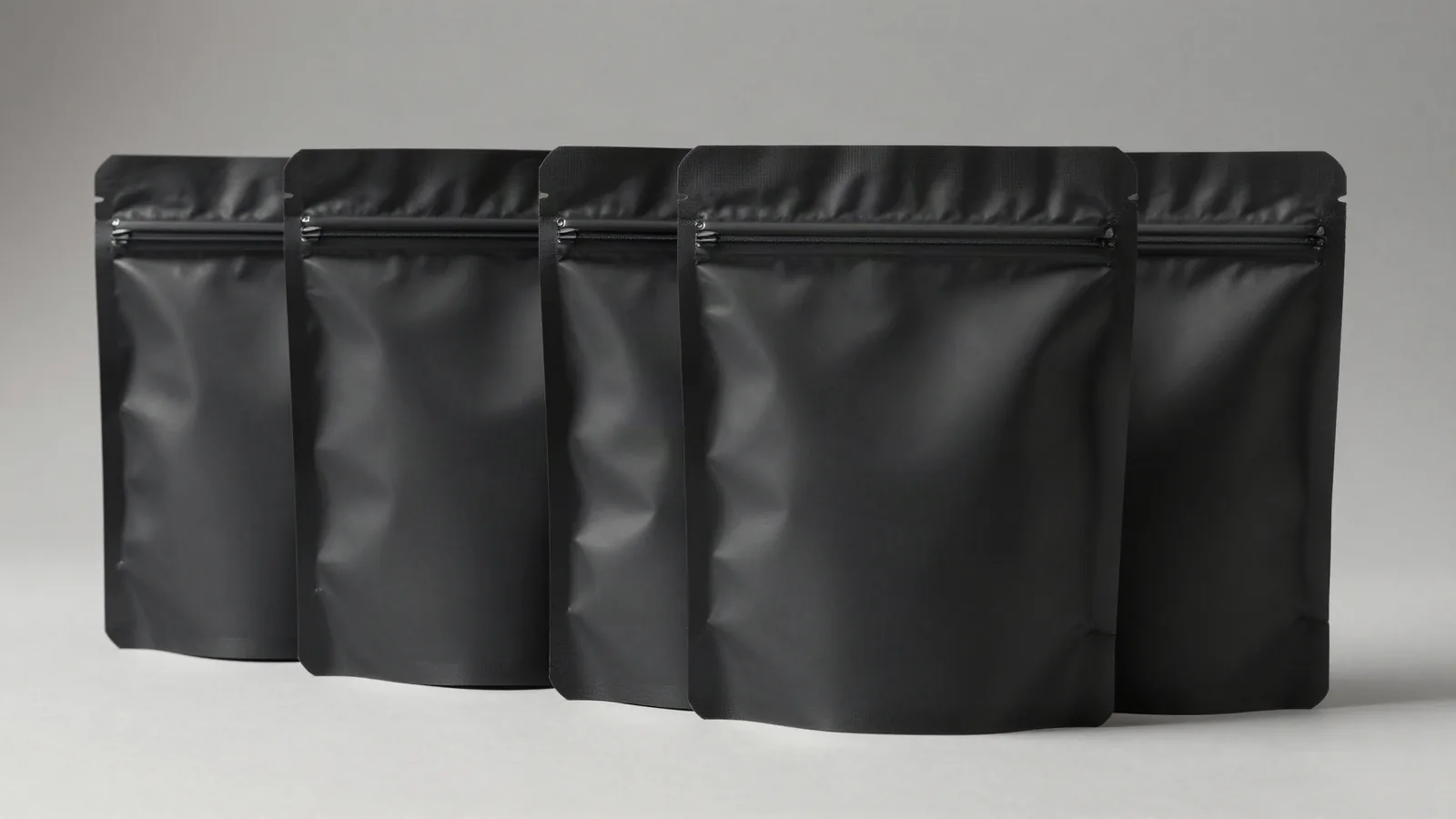








































A package pouch is a flexible pack made from film, paper, or a laminate that is cut, sealed, and finished around the contents. The phrase pouch package covers flat packs, stand-up formats, zipper formats, spouted formats, and packs with a metallic layer or clear window. Select it from the way the item is filled, stored, held, opened, poured, dispensed, and resealed.
Start with custom packaging solutions if the opening and material are still undecided. The quote needs the product shape, fill target, finished dimensions, seal layout, artwork area, and delivery destination. A pouch can look fine on a screen and still lose usable volume when the gusset, top seal, zipper, or spout takes space.
Which pouch structure fits the contents?
The opening and fill method usually decide the structure before artwork does. A gusset is a folded panel that adds depth or lets a stand-up pouch sit upright. Stand-up formats commonly measure about 3 to 7.5 inches wide, although useful width changes with the bottom gusset, seal area, and product shape. A zipper creates repeated access. A spout creates a controlled opening for liquid or semi-liquid contents. A flat format saves display space when upright presentation is not needed.
| Pack format | Common construction detail | Best planning question |
|---|---|---|
| Stand-up flexible pack | Bottom gusset with sealed side and top edges | Must the finished pack sit upright on a shelf? |
| Zipper flexible pack | Resealable top with a wider access opening | Will the contents be accessed more than once? |
| Spout flexible pack | Top or corner spout with a controlled opening | Does the product need pouring or dispensing? |
| Foil laminate pack | PET, AL, and PE layers are commonly combined | Does the package need opacity or a metallic appearance? |
| PET window pack | PET window patching creates a clear viewing area | Should the contents remain visible through the front panel? |
What do PET, AL, and PE layers do?
Each film layer carries a different job in the laminate. A laminate is a bonded stack of films that combines surface, barrier, print, and sealing functions. PET supports the printed surface and film strength. AL is an aluminum layer that adds opacity and barrier characteristics. PE commonly acts as the sealant layer. The exact stack follows product behavior, filling equipment, and the required opening. Ask us about food-contact options for your product.
Should I choose foil laminate or a PET window?
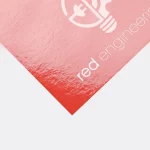
The choice turns on whether the front panel should hide or show the contents. Foil laminate hides the contents and adds a metallic layer; a PET window reserves a clear viewing area. The window is a separate patch, so its shape and location have to clear the seals, gussets, zipper, or spout. Metallic film changes how colors appear and increases reflection. Matte or gloss lamination changes glare, and soft-touch changes hand feel.
Which print and finish choices fit the pouch?
Flexographic or rotogravure printing is common for production-scale flexible packaging, while digital printing suits short runs or limited artwork versions. Print coverage matters at the top seal, side seals, gusset, tear notch, zipper, and spout attachment. Keep small type and barcode information away from those areas. The artwork file should show the front panel, back panel, seal zones, and any window or hardware clearance.
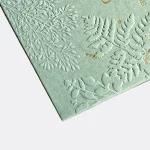
Finishing changes with the film and converting process. Matte or gloss surfaces change glare. Spot UV, foil stamping, embossing, and debossing may require separate registration checks. A finish that looks correct on a flat screen can land across a seal or fold once the pouch is formed, so show each treatment on the production file and the proof.
What changes pouch package pricing?
The quote moves when the material yield or conversion work changes. Laminate selection, finished dimensions, closure hardware, print coverage, conversion steps, tooling, shipping zone, and packed dimensions all enter the quote. Quantity breaks spread setup work across the run. Tooling can apply to special cuts, windows, plates, or shaped components.
| Price driver | What to compare |
|---|---|
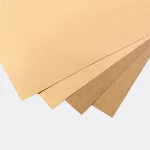
| Film or laminate selection | PET, AL, PE, kraft-facing, window, and seal-layer choices |
| Finished size | Width, height, gusset, seal area, and material yield |
| Closure component | Zipper, spout, tear notch, hang-hole, or another opening detail |
| Print coverage | One-sided, full-panel, metallic, and multi-version artwork |
| Finishing and tooling | Lamination, spot UV, foil, special cuts, plates, and setup |
| Shipping zone | Destination, carton count, packed dimensions, and carrier handling |
Which pouch products should I compare?
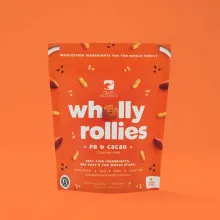
Catalog references isolate the decision. A kraft paper zipper pouch is a reference for a resealable top. A granola pouch frames stand-up proportions and front-panel artwork. Compare a cosmetic spout pouch with an aluminum foil spout pouch when the opening and laminate are the main choices. A face mask pouch gives a flat-format reference.
What should I send before requesting a pouch sample?
Artwork placement cannot start until the finished width, height, gusset, and opening type are known. Send the contents, target fill, artwork panel, window preference, delivery ZIP code, and whether the dimensions are flat or assembled.
- State whether the package needs a zipper, spout, tear notch, or hang-hole.
- Mark the fill direction and the area that must remain clear for seals.
- Show the product shape, label, and any insert or protective wrap.
- Include any material-use question with the contents and filling process.
How do I start a pouch package request?
A quote can be shaped only after the structure, dimensions, film or laminate direction, closure, artwork, finish, and destination are in one brief. Custom Packaging Lane provides quotes to spec with a 100-unit minimum and pricing from $0.49 per unit at volume. Production is typically 8 to 10 business days after proof approval, plus delivery. Free US shipping and free design support, including a free dieline, support the preparation. The $19.99 sample kit is credited to the first order.
Frequently Asked Questions
Is a pouch package the same as a bag?
A pouch is a flexible package made from film, paper, or a laminate. A bag is a broader everyday term that can describe a pouch, a flat sack, or another flexible format. Product fit, seal layout, opening hardware, gusset, and fill method decide the production structure, so the two terms are not interchangeable in every quote.
What is a bottom gusset?
A bottom gusset is a folded panel at the base of a pouch. It adds depth and can let a stand-up pouch sit upright, but it also uses material and changes the flat artwork area. State the assembled gusset and the flat dimensions separately. The seal, product shape, and display position determine the usable width.
Does a zipper make a pouch airtight?
A zipper provides a resealable opening, but a zipper alone does not define barrier performance or make a pouch airtight. The laminate, seal construction, closure fit, and product behavior still need review. Check the zipper position against the top seal, artwork, gusset, tear notch, and filling process before approving the layout.
What does a spout change on a pouch?
A spout changes a pouch from a wide opening to a controlled pour or dispense point. The spout position uses part of the top or corner seal area and can change the artwork boundary, fill path, and how the pouch is held. Match the spout to the product's thickness and flow behavior, then check the assembled proof.
Can a clear window be placed anywhere on a pouch?
A PET window cannot be placed anywhere without checking the pouch's seals and hardware. The window patch needs a defined shape and location that clears the top and side seals, gusset, zipper, spout, tear notch, and artwork information. Treat the window as its own layer on the dieline, then inspect the formed pouch.