



























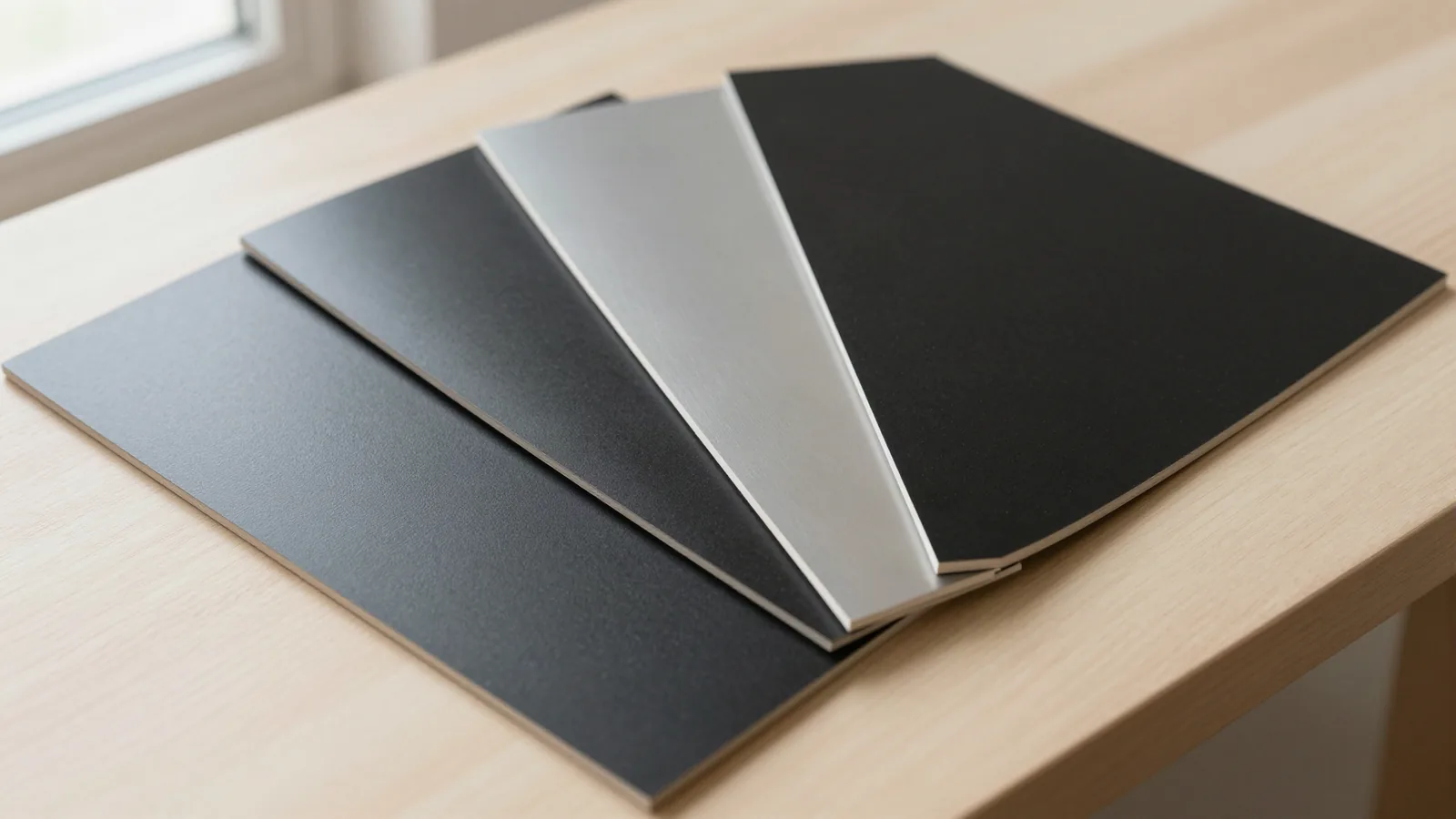



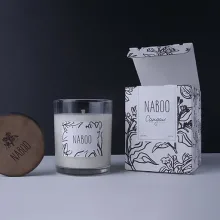

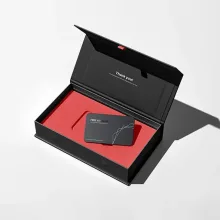









































Packaging coating is a surface treatment chosen for sheen, touch, contrast, protection, or a raised or recessed mark. Lamination, coating, and decorative effects are related, but they do different jobs. A broad film changes the face of a panel. A spot treatment changes one defined area. A dieline is the flat cutting template for the printed package, so the finish belongs beside the print, folds, scores, glue areas, and seams.
Start with custom packaging design when the board, structure, and finish are still open. The product references below show different panel sizes, folds, closures, and openings. A finish decision made without the structure can land across a score, glue flap, hinge, or window edge.
What should a packaging coating do?
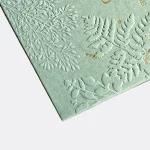
A broad surface treatment controls sheen, a selected treatment controls contrast, and a relief treatment changes the physical surface. Matte or gloss lamination covers a broad area. Soft-touch changes the hand feel across the treated surface. Spot UV marks a defined area with contrast. Foil stamping adds a reflective detail. Embossing raises a mark, and debossing presses it into the board.
Which board or material can carry the finish?
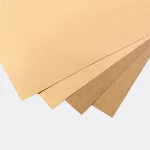
The substrate, meaning the base material under the print and finish, changes how the treatment sits at scores, folds, edges, and wrapped panels. SBS, C1S, or C2S paperboard commonly falls in the 12 to 24 pt range. SBS is solid bleached sulfate, C1S is coated on one side, and C2S is coated on two sides. Kraft board commonly falls in the 18 to 24 pt range. Rigid chipboard commonly falls around 1.5 to 3 mm and is wrapped in 100 to 157 gsm art paper.
| Base material | Typical industry reference | Finish planning point |
|---|---|---|
| SBS, C1S, or C2S paperboard | 12 to 24 pt | Check print detail, scores, and fold behavior |
| Kraft board | 18 to 24 pt | Check how the surface changes color and sheen |
| Rigid chipboard | 1.5 to 3 mm, wrapped in 100 to 157 gsm art paper | Check lid, base, wrapped edges, and seams |
These are typical industry references, not a finished finish specification. Paperboard caliper changes fold behavior and usable panel area. Rigid construction holds shape without a fold, but the wrapped paper, edge treatment, lid, base, and seam need their own review.
Which finish matches the visual goal?
Matte lamination is the broad choice for lower sheen, and gloss lamination is the broad choice for higher sheen. Soft-touch changes the tactile direction rather than only the reflection. Spot UV isolates contrast on a logo, pattern, or image. Foil, embossing, and debossing add a reflective or physical accent. Mark each effect separately so the printer knows whether it covers a full panel or a selected mask.
| Finish direction | Surface effect | Artwork planning note |
|---|---|---|
| Matte lamination | Lower sheen across the treated surface | Plan solid colors, images, and small type for reduced reflection |
| Gloss lamination | Higher sheen across the treated surface | Check how reflections affect images and large color fields |
| Soft-touch | Softer tactile direction | Mark the exact panel or surface receiving the treatment |
| Spot UV | Selected contrast on defined areas | Supply a separate mask for the logo, pattern, or image detail |
| Foil stamping | Reflective accent | Keep effect areas clear of folds, seams, and small type |
| Embossing or debossing | Raised or recessed physical accent | Check board, score, and detail before approval |
What is the difference between aqueous and UV coating?
Aqueous coating is water-based, dries fast, and takes glue and ink better on flaps. UV coating cures hard and glossy and resists scuffing better than aqueous, but it can crack along score and fold lines and is harder to write on. The choice is a handling decision as much as a visual one. Put the coating on the proof where the flap, score, and writing area are visible.
How does finish behave at folds and glue areas?
Scores and glue flaps are the first places to test. On a folding carton, mark folds, scores, tuck ends, auto-lock bottoms, crash-lock bases, glue flaps, and closure panels. On a rigid format, mark the lid, base, wrap direction, wrapped edge, hinge, and seam. A broad coating that looks fine on a flat sheet can interfere with a fold or glue area once the box is assembled.
How should I separate finish layers on a dieline?
Every selected effect needs its own labeled mask. Use separate layers for spot UV, foil, embossing, and debossing. Keep product information and fine type away from effect edges, scores, seams, glue flaps, hinges, and closures. If a window is part of the design, PET is the clear film used for the viewing patch. PET window material in the 0.2 to 0.3 mm range needs a defined shape and location beside the board, print, and finish zones.
Which products help compare coating choices?
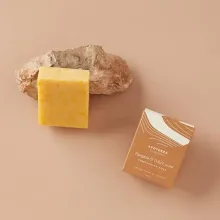
The package category changes how much surface the finish has to cross. Wine box packaging frames a presentation where the outer panel and opening matter. Wax packaging gives a smaller-product surface reference. Towel packaging and sock packaging give broad graphic-panel references with different presentation needs. For a footwear format, shoe box packaging gives a larger printed surface reference. These are catalog directions, not universal finish specifications.
What should I provide for a coating quote?
A coating quote cannot be placed from the word glossy alone. The quote needs the board, structure, artwork layers, and finish areas in one file set.
- Name the base material, board caliper or construction, and intended package structure.
- Separate CMYK artwork, print coverage, coating, lamination, and decorative effects.
- Mark folds, scores, seams, glue flaps, hinges, closures, windows, and inserts.
- Identify whether the finish is broad across a panel or limited to a selected mask.
- Explain the desired sheen, tactile feel, contrast, reflective detail, or physical relief.
- Include quantity and delivery details so the finish scope can be quoted with the package.
How do I start a packaging coating request?
The final brief should pair the board, structure, CMYK art, finish masks, folds, glue areas, window or insert notes, quantity, and destination. Custom Packaging Lane provides quotes to spec with a 100-unit minimum and pricing from $0.49 per unit at volume. Production is typically 8 to 10 business days after proof approval, plus delivery. Free US shipping and free design support, including a free dieline, support the preparation. The $19.99 sample kit is credited to the first order.
Frequently Asked Questions
What is aqueous coating?
Aqueous coating is a water-based surface treatment that dries fast and usually accepts glue and ink well on flaps. It gives a different surface effect from UV coating. UV coating cures hard and glossy, resists scuffing better than aqueous, and can crack at scores or folds. The choice should follow the board, fold, handling, and writing needs.
What is spot UV?
Spot UV is a selected glossy treatment applied to a defined logo, pattern, type area, or image detail. It does not cover the whole panel by default. Supply a separate mask and keep the effect clear of scores, folds, seams, glue flaps, small type, and barcode zones. The proof should show the boundary.
Can foil cross a fold?
Foil should not cross a fold unless the converting process and board support it. Foil edges can break at scores, and small details can fill or lose definition. Mark foil separately from CMYK artwork, keep it clear of seams and glue areas, and check the assembled proof before approving the treatment.
How does soft-touch differ from matte lamination?
Soft-touch changes the tactile feel across a treated area, while matte lamination mainly lowers surface sheen across a broad panel. A package can use both, but the file should identify each treatment and its boundary. Check the combination at folds, seams, glue flaps, and handling areas on the selected board.
What is a finish mask?
A finish mask is a separate artwork layer that shows exactly where spot UV, foil, embossing, or debossing belongs. It should use clear labels, match the dieline, and stay away from folds, scores, glue areas, seams, hinges, windows, and small type. Separate masks make the proof easier to inspect and revise.