































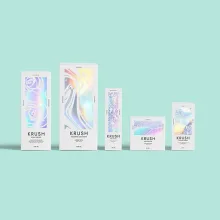
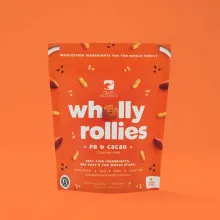








































Salad packaging containers are specified around the filled pack, not an empty shape. List the bowl, lid, dressing cup, toppings, utensil, card, insert, and sleeve, then describe how staff pack the set and how a customer opens it. For anything that touches food, ask us about food-contact options. Start with salad boxes for the closest catalog reference, then compare private label packaging for panel planning, towel packaging for sleeve ideas, and wine box packaging for assembled presentation.
What service moment should a salad container support?
A counter handoff needs a clear grip and readable face, while a delivery set needs components that stay in order inside the carrier bag or parcel. Decide first whether the container is handed over, displayed, delivered with other items, or packed into a kit. That choice changes label visibility, stacking, closure access, and removal space.
| Service setup | Common package role | Operational check |
|---|---|---|
| Ready-to-hand | Container presented directly to the customer | Is the label visible and the opening obvious? |
| Component set | Salad, dressing, toppings, and utensil grouped together | Can each item be removed without disturbing the others? |
| Delivery arrangement | Container placed inside a larger parcel or carrier bag | Does the packed set stay organized during handling? |
| Display grouping | Several finished containers arranged for selection | Are faces, labels, and closures easy to identify? |
How should a salad container organize its components?
The packing sequence belongs in the brief before the structure is chosen. A salad container may hold a bowl and lid, while a dressing cup, toppings, utensil, card, insert, or sleeve sits beside or around it. If a component touches food, flag that path at the start and ask about food-contact options. Check the filled assembly at the packing station, because an insert that fits an empty bowl can block the next component.
Which closure cues make opening easier?
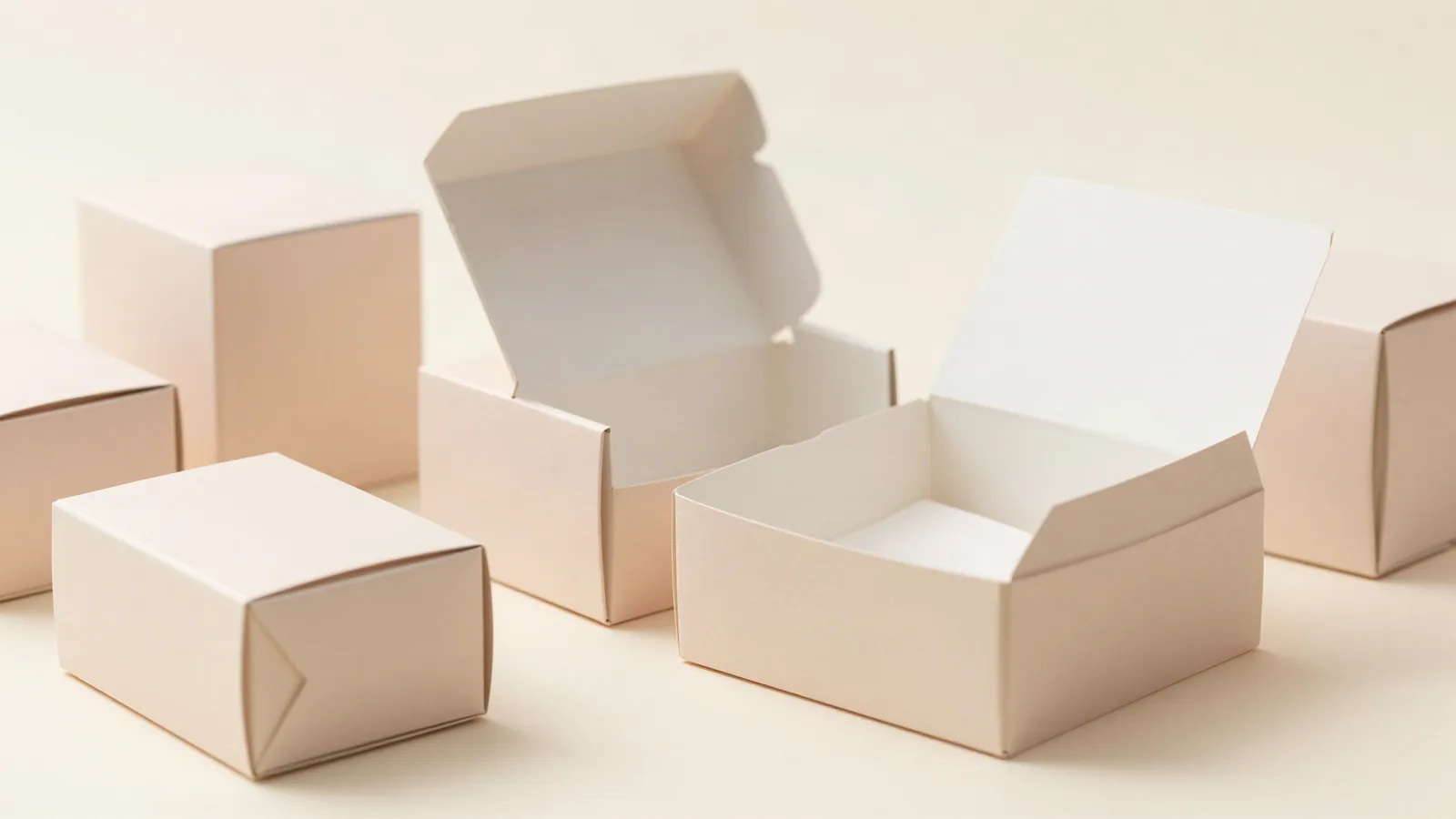
Closure construction tells the user where the package opens and how much force the opening needs. Straight tuck end and reverse tuck end describe folding-carton directions; auto-lock bottom and crash-lock describe base construction. A sleeve may depend on an inner bowl or tray for shape. Mark the lid edge, flap, sleeve edge, dressing position, utensil position, scores, and removal path on the proof.
How should printed panels and labels be planned?
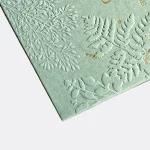
A readable panel needs enough uninterrupted area for the product name, business information, handling copy, and other supplied details. Offset CMYK suits detailed paperboard graphics, digital printing can suit short runs, and flexo is common for corrugated components. RGB artwork can shift when converted for press, so the proof is where color, bleed, barcode placement, and type near a score get checked. Matte or gloss lamination, soft-touch, spot UV, foil stamping, embossing, and debossing each change the selected panel.
What should a filled-pack check measure?
Use the actual bowl, lid, greens, toppings, dressing, utensil, and insert during the check. Record the widest points, high points, headspace, closure overlap, label area, movement, and removal path. Box dimensions should follow length x width x depth, with inside and outside measurements labelled separately. About 1/16 in, or 1.5 mm, is a common tolerance reference. For US ground planning, dimensional weight is commonly discussed as L x W x H / 139 using outside packed dimensions.
Which package references are closest to a salad program?
Salad boxes are the closest product reference for this category. Private label packaging gives a useful way to plan brand panels and information placement. Towel packaging shows a sleeve-oriented direction, and wine box packaging can prompt questions about assembled presentation and opening order. These pages are format references, not food-contact conclusions.
What should I include in a salad-container request?
The request becomes useful when it describes the filled set and the handoff, not just an empty container. Include these details:
- Describe the filled salad, bowl, tray, topping, dressing, utensil, and kit components.
- Identify the food-contact path and ask about food-contact options for the intended use.
- Provide inside and outside measurements, including lids, rims, high points, and inserts.
- Mark labels, printed panels, closure cues, seams, folds, windows, and finish areas.
- Share the packing order, display setting, delivery arrangement, quantity, and destination.
How can I scope salad packaging containers?
CPL quotes salad packaging containers to spec from a 100-unit minimum, with pricing from $0.49 per unit at volume, quoted to spec. Production is typically 8 to 10 business days after proof approval, plus delivery. Free US shipping, free design support, and a free dieline are available. A dieline is the flat cutting template used to print and cut the package. The $19.99 sample kit is credited to the first order. Use custom packaging solutions to organize the container, components, and service workflow.
Frequently Asked Questions
Can a salad packaging container be part of a kit?
A salad packaging container can be part of a kit with a bowl, lid, dressing cup, toppings, utensil, insert, card, or sleeve. The brief should identify which components touch food, then ask about food-contact options for the intended use. Describe the packing order and opening sequence so the assembled set can be checked before production.
Which paperboard references can support a salad package?
SBS, C1S, and C2S paperboard in the 12 to 24 pt range are common folding-carton references. Kraft board in the 18 to 24 pt range gives a different printed surface, while PET window material around 0.2 to 0.3 mm is a common window-patching reference. The filled arrangement and food-contact discussion determine whether those references fit the project.
How can a salad container make the opening clear?
A salad container is easier to use when the closure and component positions are mapped in order. Straight tuck end and reverse tuck end describe folding-carton directions, while auto-lock bottom and crash-lock describe base construction. A sleeve may rely on an inner bowl or tray for shape, so the proof should show where the lid, flap, dressing, and utensil are handled.
What must be checked before a filled salad pack is approved?
A filled-pack check should use the actual bowl, lid, greens, toppings, dressing, utensil, and insert. Check the widest points, high points, headspace, closure overlap, label area, movement, and removal path. Record length x width x depth, distinguish inside from outside measurements, and use about 1/16 in, or 1.5 mm, as a common tolerance reference.
Which print finishes can work on salad packaging?
Offset CMYK is commonly used for detailed paperboard graphics, digital printing can suit short runs, and flexo is common for corrugated components. Matte or gloss lamination changes the surface, while soft-touch, spot UV, foil stamping, embossing, and debossing change how selected panels look or feel. Keep food-contact questions, folds, windows, and readable copy in the proof discussion.