







































































What salad packaging format fits the product?
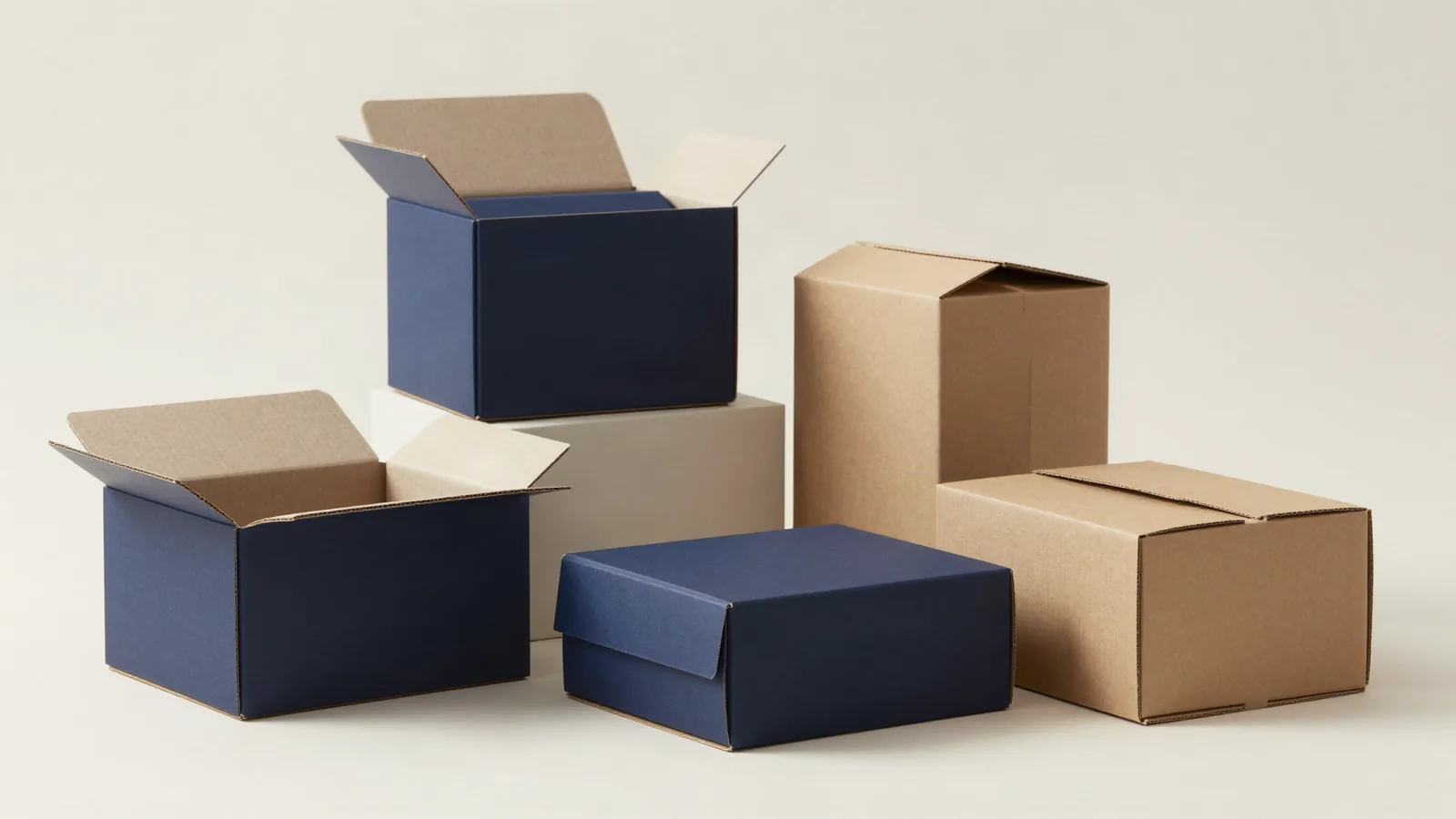
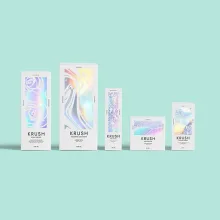
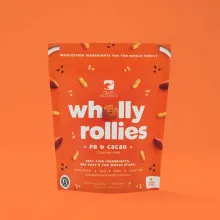
The filled product decides the format. A folding carton gives printed panels, a sleeve wraps a bowl or tray, and a pouch separates toppings, dressing, or dry inclusions from the main pack. A retail salad kit may use a folding carton with a PET window. A takeaway bowl or tray may need a printed sleeve. A rigid two-piece box suits a structured gift or curated presentation.
| Packaging need | Common format | Practical check |
|---|---|---|
| Retail salad kit | Folding carton with PET window | Visibility, instructions, and closure clearance. |
| Takeaway bowl or tray | Sleeve or printed outer carton | Fit at the widest points and grip during carrying. |
| Topping or garnish portion | Mylar or foil laminate pouch | Barrier construction and separation from the main pack. |
| Gift or curated set | Rigid two-piece box | Interior fit and lid movement. |
If the package directly touches the salad or a component, ask us about food-contact options for your product before choosing the substrate, coating, laminate, window, and closure. The outer carton and the food-contact path are separate decisions.
Which board and window materials are common for salad cartons?
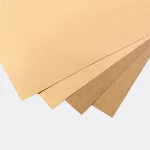
Folding cartons commonly use SBS, C1S, or C2S paperboard in the typical 12 to 24 pt range. Kraft board is commonly 18 to 24 pt when the natural board tone is part of the appearance. A PET window is commonly 0.2 to 0.3 mm thick. Kraft changes light-color contrast, while a coated white surface gives a different background for print and a different amount of glare after lamination.
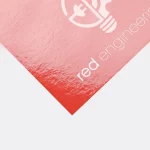
For toppings, dressings, or dry inclusions, a Mylar or foil laminate can use PET, AL, and PE layers in a construction selected for the intended barrier. The layer stack belongs in the quote with the intended use, contents, and closure. Mylar is a polyester film, and metallized film layers are used when light, moisture, or odor transfer needs to be reduced.
Should I choose a sleeve or a full salad carton?
A sleeve is the better starting point when the bowl, tray, or inner carton already supplies the primary structure. A full carton gives the package its own cavity, closure, stacking surfaces, and information panels. Compare the filled dimensions, widest points, opening motion, and condensation exposure before choosing either format.
For a folding carton, compare a straight tuck end, reverse tuck end, auto-lock bottom, and crash-lock bottom against filling speed and support. Digital printing can suit short runs, offset CMYK is common for detailed folding-carton graphics, and flexo is common for corrugated applications. The print process should match the board and the amount of detail in the artwork.
Related catalog formats give concrete references: salad boxes for the main structure, private label packaging for branded presentation, seed packaging for a compact printed format, and wax packaging for another small product surface. Use the custom packaging design hub for the dieline brief.
How should I check fit, moisture, and airflow?
The filled product, not the empty carton, is the test unit. Write the box as length x width x depth and label inside and outside measurements separately. About 1/16 in, or 1.5 mm, is a common planning tolerance, subject to the material and structure. A dieline is the flat cutting template used to print, score, and cut the package. Check the filled product against the actual dieline, closure, window patch, and insert.
Prepared greens, cut vegetables, dressings, and toppings can behave differently in one outer pack. During a filled-pack review, check headspace, vent placement, closure overlap, condensation exposure, window adhesion, opening clearance, and stack pressure. For a sleeve, check the fit over the bowl, tray, or carton at its widest points. If a secondary shipper is involved, check the nested and stacked pack after it is carried.
Record the bowl, tray, liner, pouch, insert, or other inner component in the quote brief. An insert cut to the exact product size can stop movement. A window can improve visibility, but it does not remove the need to test the filled package.
What should I send for a salad packaging quote?
A quote brief needs the product footprint, filled weight, inside length x width x depth, closure preference, viewing requirement, inner container, moisture or airflow notes, print coverage, finish, and destination. State whether the carton is an outer package or part of the food-contact system. Ask us about food-contact options for your product.
Custom Packaging Lane quotes to spec from a 100-unit minimum. Pricing is from $0.49 per unit at volume, quoted to spec. Production is typically 8 to 10 business days after proof approval, plus delivery. Free US shipping, free design support, a free dieline, and a $19.99 sample kit credited to the first order are available. Request the sample kit before finalizing the salad structure.
Frequently Asked Questions
Can a salad box include a clear window?
A salad box can include a PET window, commonly around 0.2 to 0.3 mm thick. The filled pack still needs checks for condensation, window adhesion, stack pressure, opening clearance, and the position of the visible contents. If the window or carton touches the salad or another component, ask us about food-contact options for your product.
Which paperboard is common for printed salad cartons?
Printed salad cartons commonly use SBS, C1S, or C2S paperboard in a typical 12 to 24 pt range. Kraft board is commonly 18 to 24 pt and changes the background tone seen through the print. Board choice should match the filled dimensions, graphics, closure, handling, and whether the carton is an outer layer or part of the food-contact system.
When is a sleeve better than a full salad carton?
A sleeve is a better starting point when a bowl, tray, or inner carton already provides the main structure and the package needs an outer printed surface. A full salad carton controls its own cavity, closure, stacking surfaces, and information panels. Compare filled width, widest points, opening motion, and condensation exposure before choosing the format.
Which print and finish options work for salad packaging?
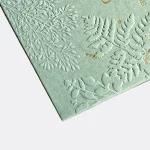
Offset CMYK is common for detailed folding-carton graphics, digital printing can suit short runs, and flexo is common for corrugated applications. Matte or gloss lamination changes glare, while soft-touch, spot UV, foil stamping, embossing, and debossing add separate surface effects. Review readability, handling, condensation, and finish placement before approving the artwork.
What should I include when asking about food-contact salad packaging?
A food-contact salad packaging request should identify what touches the salad, the salad format, dressing or topping components, the inner bowl or tray, temperature and handling conditions, and whether the carton is only an outer layer. Ask us about food-contact options for your product so the substrate, laminate, window, coating, and construction can be reviewed for the intended use.